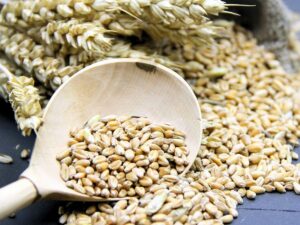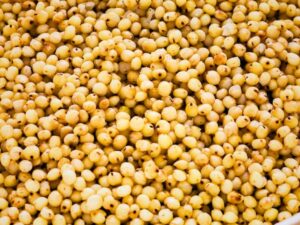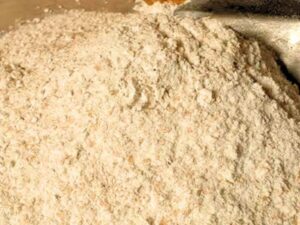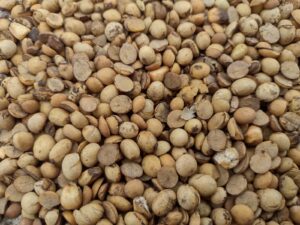

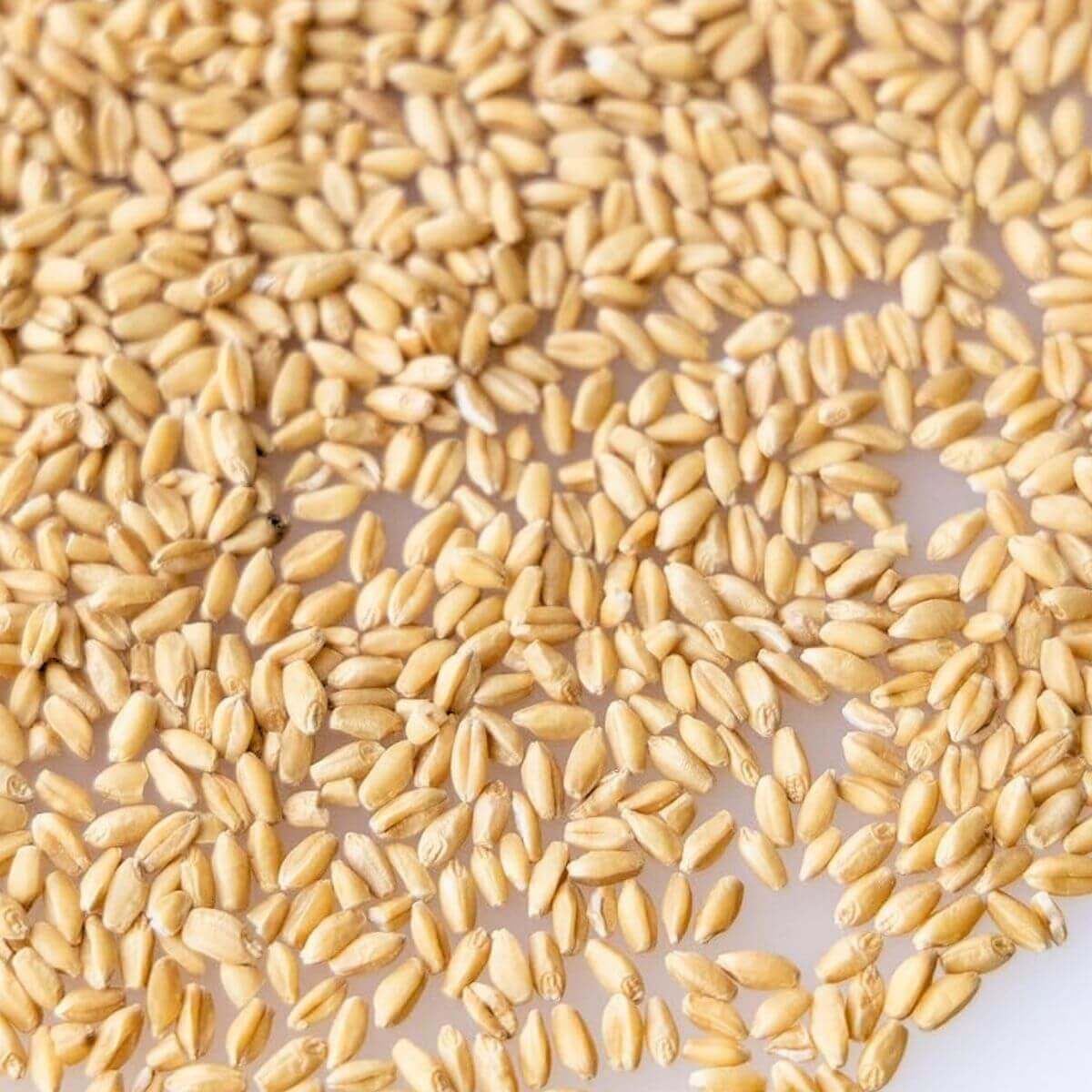
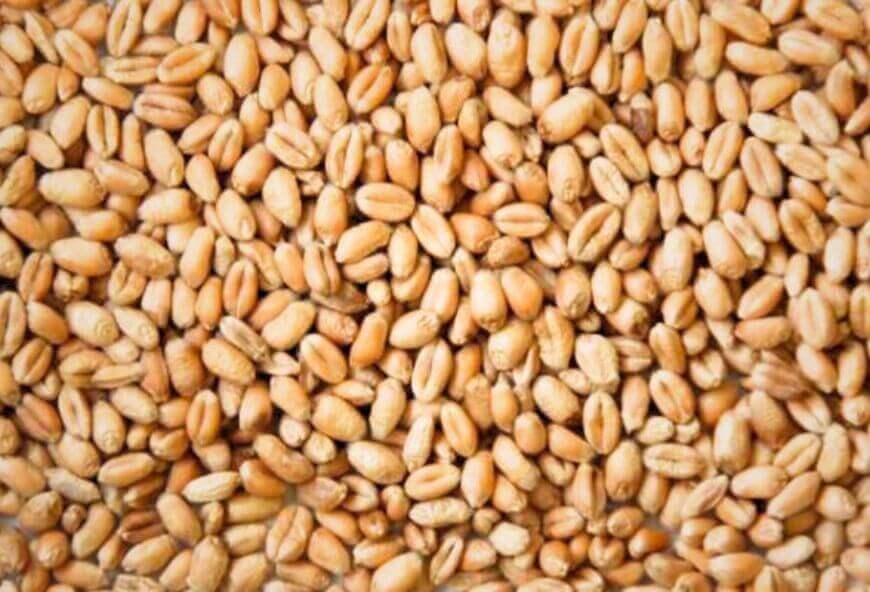
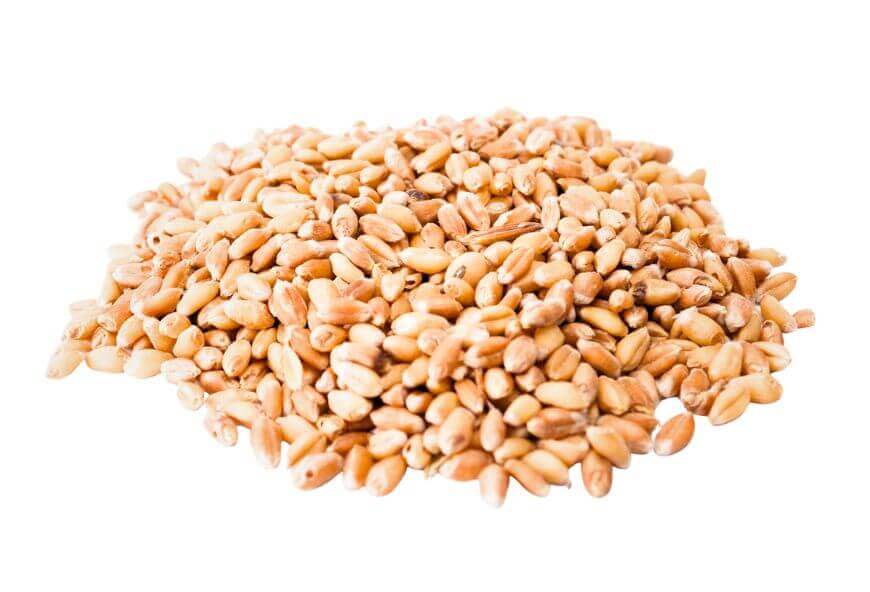
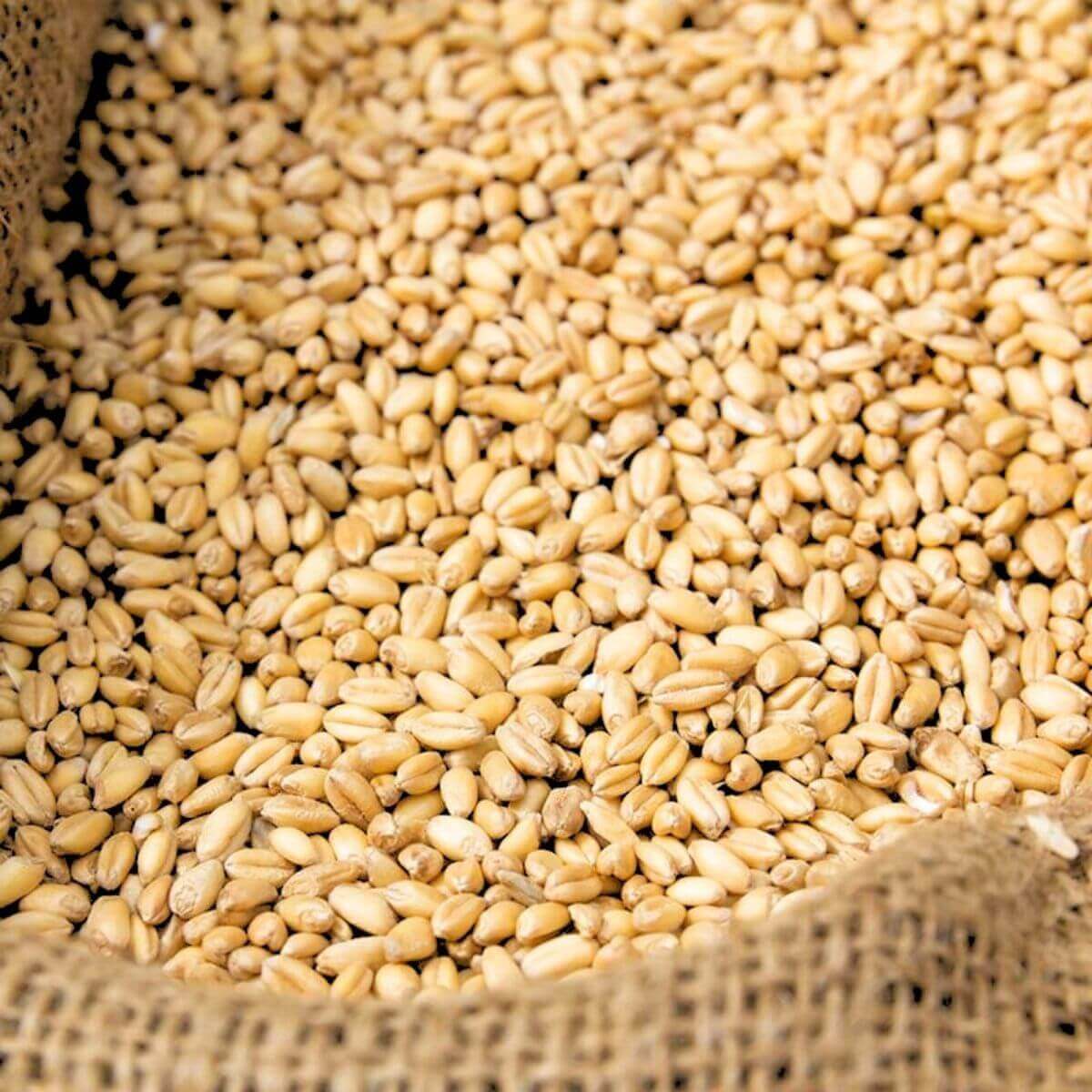
Bulk feed grade wheat from Brazil for poultry integrators, swine producers, cattle feedlots, and compound feed manufacturers. Brazil produces approximately 9-10 million metric tons of wheat annually (CONAB 2025/26), with a portion graded as feed wheat for livestock. Protein 11-13%, test weight 72 kg/hL minimum, moisture 13.5% max. Shipped FOB/CFR/CIF from Santos and Paranagua ports. MOQ 250 MT containerized, 5,000 MT bulk vessel. Full MAPA phytosanitary certification and SGS inspection. Competitive pricing versus corn and other energy feed ingredients.
| Parameter | Specification |
|---|---|
| Protein | 11–13% basis |
| Moisture | 13.5% max |
| Test Weight | 72 kg/hL min |
| Energy ME | 13.5–14.5 MJ/kg |
| MOQ | 250 MT |
| Terms | FOB / CFR / CIF |
| Origin | Brazil |
| Type | Feed Grade |
SAI AGRO BRAZIL is a Brazilian exporter of bulk feed grade wheat, supplying poultry integrators, swine producers, cattle feedlots, and compound feed manufacturers worldwide. Brazil’s wheat production reached 9.5 million metric tons in 2025/26 (CONAB), with feed wheat grades offering a cost-effective energy source for livestock rations. Our feed wheat provides 11-13% protein and 13.5-14.5 MJ/kg metabolizable energy for poultry. Shipment terms include FOB, CFR, and CIF from Santos and Paranagua ports with MOQ 250 metric tons containerized or 5,000 MT bulk vessel. All shipments include MAPA phytosanitary certification, certificate of origin, and SGS/Bureau Veritas quality certificates. Brazil’s competitive pricing and expanding wheat production in Paraná and Rio Grande do Sul make it an increasingly important feed wheat origin for global buyers.
SAI AGRO BRAZIL supplies bulk feed grade wheat directly from Brazil’s wheat-growing regions to international feed manufacturers. Brazil produces approximately 9.5 million metric tons of wheat annually (2025/26 crop year, per CONAB), with Paraná state accounting for nearly 50% of production. Feed grade wheat is wheat that does not meet milling quality specifications — typically due to lower protein, lower test weight, or higher levels of damaged kernels — but remains highly nutritious for livestock feed applications.
Our feed wheat delivers 11-13% crude protein and 13.5-14.5 MJ/kg metabolizable energy (poultry), making it an excellent energy-dense carbohydrate source for compound feed formulations. Compared to corn, feed wheat offers comparable energy with higher protein content, providing feed formulators a cost-effective alternative when wheat prices are competitive versus corn. All shipments comply with MAPA export standards and include phytosanitary certification, certificate of origin, and independent quality inspection.
Brazilian wheat harvest occurs from October through December in Paraná and Rio Grande do Sul. Wheat from Rio Grande do Sul harvest is typically softer with lower gluten strength, making a higher proportion grade as feed wheat. Export availability extends from November through August, with peak volumes shipped January through April. Brazil’s counter-seasonal production (Southern Hemisphere summer harvest) provides importers in the Northern Hemisphere with fresh-crop feed wheat during Northern winter months when local supplies are depleted.
Current crop availability for 2026: November-December harvest from Paraná and Rio Grande do Sul, with export shipments commencing January 2027. Forward contracts can be secured 3-6 months ahead of harvest for competitive pricing. Brazil’s expanding wheat production — up from 6 million MT in 2020 to 9.5 million MT in 2025 — means increasing exportable surplus of feed-grade wheat for international markets.
Brazilian feed grade wheat offers distinct advantages for international feed manufacturers. First, proximity to Atlantic shipping routes: Paranaguá port serves the main wheat-growing region of Paraná, offering efficient loading and shorter transit times to Europe (18-25 days) and Africa (15-25 days). Second, competitive pricing: Brazilian feed wheat typically trades at a significant discount to milling wheat and often competes favorably with corn on a metabolizable energy basis. Third, quality: Brazilian feed wheat from Paraná typically has lower levels of mycotoxin contamination than some Black Sea origins due to drier harvest conditions.
Brazil’s wheat production is concentrated in the southern states of Paraná (50%) and Rio Grande do Sul (35%), with specialized grain terminals at Paranaguá and Rio Grande ports. Average port turnaround at Paranaguá is 5-7 days for wheat shipments (ANTAQ 2025 data). Brazil’s location on Atlantic trade routes provides a logistics advantage for buyers in Europe, North Africa, Middle East and West Africa seeking alternatives to Black Sea or North American origins.
| Parameter | Specification | Test Method |
|---|---|---|
| Type | Feed Grade Wheat, Triticum aestivum | Visual classification |
| Crude Protein | 11-13% (as-is basis) | Kjeldahl method (AACC 46-12) |
| Moisture | 13.5% maximum | AACC 44-15A |
| Test Weight | 72 kg/hL minimum | ISO 7971-2 |
| Metabolizable Energy (Poultry) | 13.5-14.5 MJ/kg | Calculated (WPSA equation) |
| Crude Fiber | 2.5-3.5% | AACC 32-10 |
| Damaged Kernels | 5% maximum | Visual inspection |
| Foreign Matter | 3% maximum | Sieve analysis |
| Aflatoxin B1 | 20 ppb maximum (upon request) | ELISA/HPLC |
| DON (Vomitoxin) | 5 ppm maximum (upon request) | ELISA/HPLC |
| Packaging | Bulk Bags (1,000 kg) or Bulk Vessel | N/A |
| Minimum Order Quantity | 250 MT containerized / 5,000 MT bulk | N/A |
| Shipment Terms | FOB, CFR, CIF (Incoterms 2020) | N/A |
| Origin | Brazil (Paraná, Rio Grande do Sul) | Certificate of Origin |
Test methods follow AACC International and ISO standards. Independent inspection agencies (SGS, Bureau Veritas, Cotecna) verify all parameters at port of loading. Mycotoxin screening (aflatoxin B1, DON, zearalenone, ochratoxin A) available upon request for buyers with specific feed safety requirements.
Every shipment of Brazilian feed grade wheat includes three mandatory certificates. The phytosanitary certificate from MAPA confirms the product meets the destination country’s plant health requirements and is free from quarantine pests. The certificate of origin from the Brazilian Chamber of Commerce establishes Brazilian provenance for customs clearance. The quality/weight certificate from independent inspection agencies (SGS, Bureau Veritas, Cotecna) provides third-party verification of protein, moisture, test weight, and other specifications.
Additional documentation: fumigation certificate (for destinations requiring pre-shipment treatment), mycotoxin analysis certificate (covering aflatoxin B1, DON, zearalenone upon request), and GMO statement (Brazilian wheat is predominantly non-GMO, as no GMO wheat is commercially approved for cultivation globally). All documentation conforms to ICAO and IMO regulations for agricultural commodity transport.
Brazilian feed grade wheat serves three primary livestock feed segments. Poultry integrators use feed wheat in broiler and layer rations at inclusion rates of 15-40%, providing a highly digestible energy source that improves pellet quality in compound feeds. Swine producers incorporate feed wheat at 20-50% of grower and finisher rations, with the 11-13% protein contributing to total dietary protein and reducing soybean meal requirements. Cattle feedlots use wheat in finishing rations (10-30% inclusion) as a rapidly fermentable starch source for improved daily weight gain and marbling.
Compared to corn, feed wheat offers approximately 5-10% higher crude protein and comparable metabolizable energy (13.5-14.5 vs 14.0 MJ/kg for corn). This means feed formulators can reduce soybean meal inclusion when substituting wheat for corn — a key economic advantage when wheat is priced competitively. Brazil’s position as a major soybean meal exporter creates a natural pairing for feed wheat buyers who source both ingredients from the same origin, simplifying logistics and supply chain management.
Our primary buyer segments include: (1) Poultry integrators in Southeast Asia, Middle East, and Africa producing broiler and layer feeds with annual wheat requirements of 10,000-100,000 MT; (2) Swine producers in Latin America and Asia manufacturing grower and finisher feeds; (3) Cattle feedlots in North Africa and Middle East finishing beef cattle on grain-based rations; (4) Compound feed manufacturers producing multi-species feed lines for regional distribution; (5) Feed ingredient traders sourcing Brazilian origin for resale. SAI AGRO BRAZIL serves buyers across Asia (Vietnam, Indonesia, Philippines), Middle East (Saudi Arabia, UAE, Egypt), Africa (Nigeria, South Africa, Kenya), and Europe (Spain, Italy, Portugal).
Feed grade wheat is shipped in two primary formats based on buyer volume. Containerized shipments (250-1,000 MT) use 20-foot or 40-foot dry containers loaded with 1,000 kg jumbo bags, suitable for buyers with limited storage capacity or distributed delivery requirements. Bulk vessel shipments (5,000-60,000 MT) load directly into vessel holds using pneumatic or conveyor systems at Brazilian grain terminals, providing the lowest cost per ton for large-volume buyers.
Loading ports: Paranaguá (Paraná state) serves as the primary export port for Brazilian wheat, handling approximately 60% of wheat export volume. Rio Grande (Rio Grande do Sul state) handles 30%, with remaining volume shipping from São Francisco do Sul. Average port turnaround: 5-7 days at Paranaguá, 4-6 days at Rio Grande (2025 ANTAQ data). Paranaguá’s specialized grain terminal offers loading rates of 800-1,200 MT per hour for bulk wheat.
| Destination Region | Transit Time (Days) | Primary Ports |
|---|---|---|
| Europe (Rotterdam, Barcelona, Lisbon) | 16-22 days | Paranaguá, Rio Grande |
| North Africa (Casablanca, Algiers, Tunis) | 18-25 days | Paranaguá |
| West Africa (Lagos, Tema, Abidjan) | 16-22 days | Paranaguá, Rio Grande |
| Middle East (Jebel Ali, Jeddah, Dammam) | 25-32 days | Paranaguá, Santos |
| Southeast Asia (Jakarta, Manila, Ho Chi Minh) | 32-40 days | Paranaguá, Santos |
| East Africa (Mombasa, Dar es Salaam) | 22-28 days | Paranaguá |
| South America (Callao, Guayaquil) | 10-15 days | Paranaguá, Rio Grande |
Transit times based on 2025 shipping data. Total lead time from order confirmation to destination port arrival includes 7-14 days for documentation, quality testing, loading plus ocean transit. Vessel availability is highest January through April during peak Brazilian wheat export season.
Standard Incoterms 2020: FOB (buyer arranges ocean freight and insurance from Brazilian port), CFR (SAI AGRO BRAZIL covers ocean freight to destination port, buyer arranges insurance), CIF (SAI AGRO BRAZIL covers ocean freight and marine insurance). Payment terms: Letter of Credit (L/C) at sight for new buyers; open account terms available for established buyers. Currency: USD per metric ton. Pricing benchmarks against CBOT wheat futures or Black Sea feed wheat indices, with Brazilian origin basis negotiated per shipment. Forward pricing available for contracts locked 3-9 months ahead of delivery.
Feed grade wheat is wheat that does not meet milling quality specifications for flour production but remains highly nutritious for livestock feed. It typically has lower protein (11-13% vs 12-15% for milling), lower test weight (below 76 kg/hL), or higher damaged kernel content. Feed wheat provides an excellent energy source at a lower cost than milling wheat — typically 10-20% price discount — making it ideal for poultry, swine, and cattle rations where flour-making quality is irrelevant. Brazil’s wheat grading system follows MAPA Normative Instruction No. 38.
Containerized shipments minimum 250 MT. Bulk vessel shipments minimum 5,000 MT, with optimal vessel sizes of 25,000-60,000 MT for the lowest per-ton freight cost. Contact our trade desk for pricing based on your specific volume requirements. Multi-vessel annual contracts available for buyers with year-round feed mill operations.
Brazilian feed wheat provides approximately 5-10% higher crude protein than corn (11-13% vs 8-9%) with comparable metabolizable energy (13.5-14.5 vs 14.0 MJ/kg). This higher protein means feed formulators can reduce soybean meal inclusion when using wheat, creating savings that offset potentially higher wheat per-ton costs. Wheat also improves pellet durability in compound feeds due to its gluten content. The decision to substitute wheat for corn depends on relative pricing: when wheat is priced within 105-110% of corn on a weight basis, it is typically cost-effective for feed formulation.
Brazilian feed wheat has generally lower mycotoxin risk than some competing origins. Paraná’s cooler, drier harvest conditions (October-December) reduce Fusarium head blight pressure versus wetter harvest regions. Standard mycotoxin screening available upon request includes aflatoxin B1 (20 ppb max), deoxynivalenol/DON (5 ppm max), zearalenone (2 ppm max), and ochratoxin A (5 ppb max). Buyers with stricter mycotoxin requirements should specify limits during contract negotiation for premium-screened shipments.
Primary applications: (1) Poultry feed — broiler and layer rations at 15-40% inclusion for energy and pellet quality improvement; (2) Swine feed — grower and finisher rations at 20-50% inclusion; (3) Cattle feed — feedlot finishing rations at 10-30% inclusion for rapid starch fermentation and weight gain; (4) Aquaculture feed — as a carbohydrate binder and energy source in extruded fish feeds. Brazilian feed wheat is non-GMO (no commercially approved GMO wheat exists globally), important for buyers in markets with GMO restrictions on feed ingredients.
Transit times: Europe 16-22 days, North Africa 18-25 days, West Africa 16-22 days, Middle East 25-32 days, Southeast Asia 32-40 days, East Africa 22-28 days. Total lead time from order confirmation: 21-45 days including documentation, quality testing, loading, and ocean transit. Contact our logistics team with your destination port for a precise delivery timeline.
Standard specifications apply unless otherwise negotiated in the contract. Buyers with specific mycotoxin limits, protein ranges, or test weight requirements should contact our trade desk during quotation. Custom specifications may require premium pricing, larger minimum orders, or extended lead times for segregated sourcing. SAI AGRO BRAZIL works with buyers to match wheat specifications to individual feed formulation requirements.
Contact SAI AGRO BRAZIL for competitive pricing and year-round supply of feed grade wheat for livestock feed manufacturing.
SAI AGRO BRAZIL
Share your volume, destination and trade preference. Our commercial desk will review your requirement and reply within 24-48 hours
Adding {{itemName}} to cart
Added {{itemName}} to cart