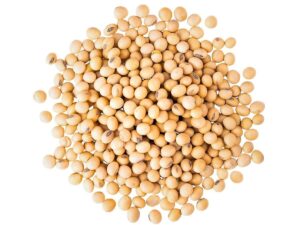
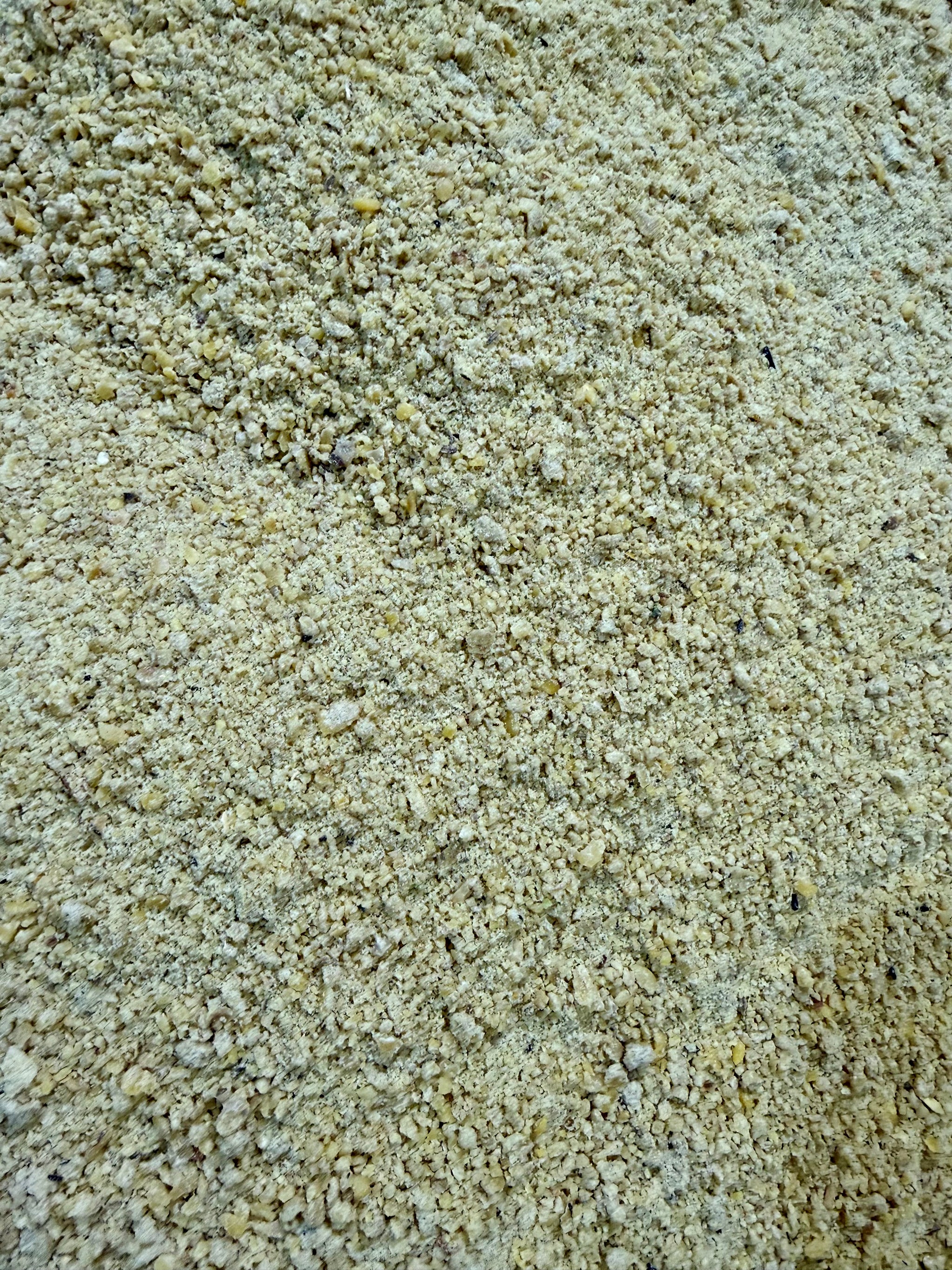
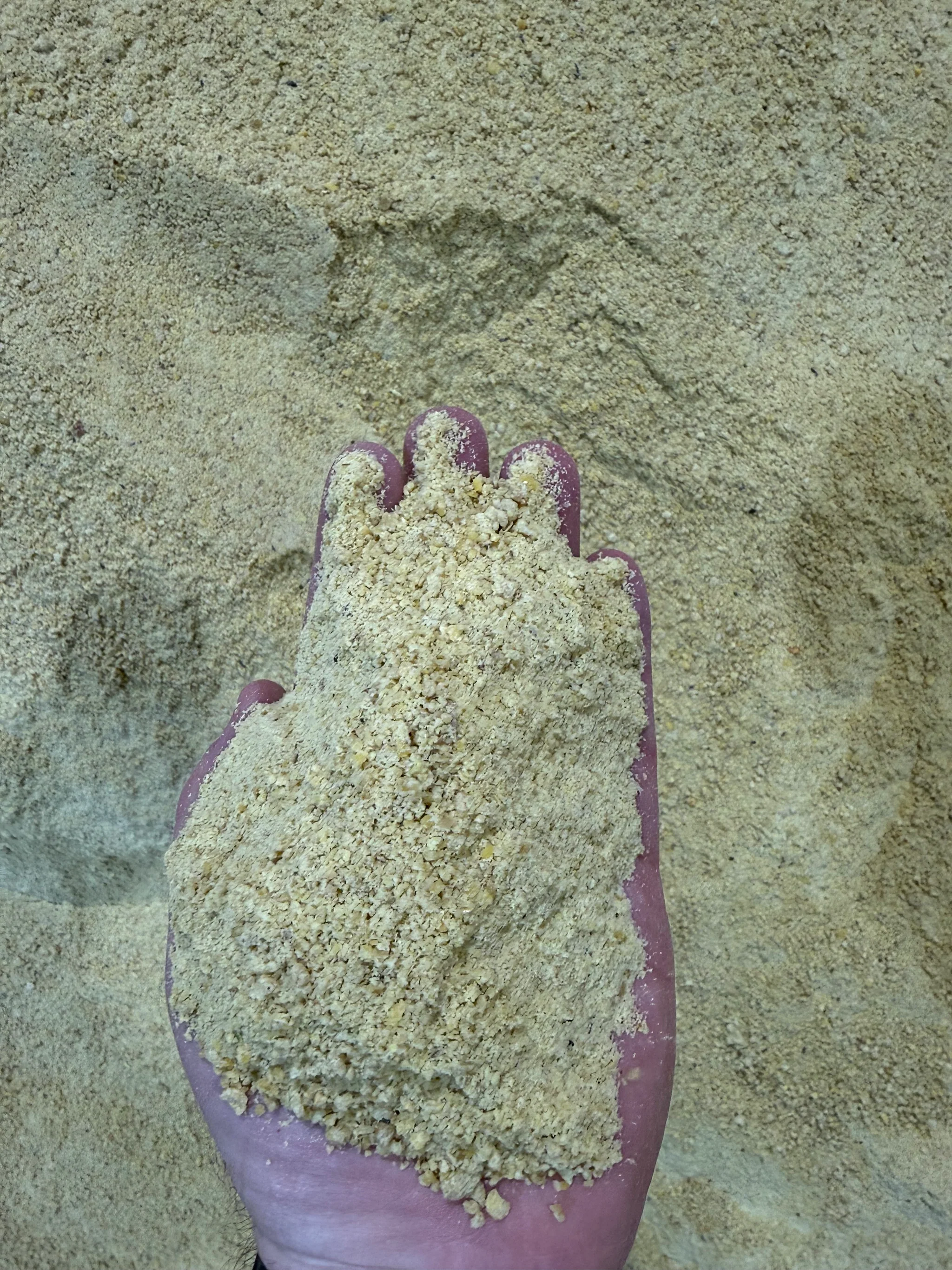
Feed-grade soybeans for poultry, swine, cattle, and aquaculture operations. Available as raw whole (36-40% protein), splits (45% protein min), or roasted (45% protein min, heat-treated). Crude fat 8% min, moisture 13% max. Bulk bags or vessel. FOB/CFR/CIF terms. Brazil produces 40-50 million MT annually. 5-15% lower cost than U.S. origins. Deactivated anti-nutritional factors in roasted form. Bypass protein benefits for dairy cattle.
| Parameter | Specification |
|---|---|
| Forms | Raw / Splits / Roasted |
| Protein | 45% min |
| Fat | 8% min |
| Fiber | 10% max |
| Moisture | 13% max |
| Packaging | Bulk Bags / Vessel |
| Terms | FOB / CFR / CIF |
| Origin | Brazil |
SAI AGRO BRAZIL is a Brazilian exporter of feed-grade soybeans for animal nutrition, supplying compound feed manufacturers, poultry integrators, swine operations, dairy and beef cattle farms, and aquaculture feed processors worldwide. Brazil produces 40-50 million metric tons of feed soybeans annually (ABIOVE 2025 estimate), representing 30% of total production. Our feed soybeans are available in three forms: raw whole (36-40% protein), soybean splits (45% protein minimum, dehulled), and roasted soybeans (45% protein minimum, heat-treated to deactivate anti-nutritional factors). Crude fat 8% minimum, crude fiber 10% maximum, moisture 13% maximum. Shipment terms include FOB, CFR, and CIF from Santos, Paranagua, Rio Grande, and Salvador ports with MOQ contractual. All shipments include MAPA phytosanitary certification and quality/weight certificates from SGS, Bureau Veritas, or Cotecna.
Feed soybeans are high-protein grain ingredients used as the primary protein source in animal feed formulations for poultry, swine, cattle, and aquaculture operations. Unlike food-grade soybeans (which require 36-40% protein and strict quality standards for human consumption), feed soybeans are processed to optimize protein content and digestibility for animal nutrition. Brazilian feed soybeans are available in three forms: raw whole soybeans (as harvested, requiring on-site processing), soybean splits (dehulled and cracked, with 45% protein minimum), and roasted soybeans (heat-treated to deactivate anti-nutritional factors, ready for direct feed inclusion).
Brazil produces approximately 40-50 million metric tons of feed soybeans annually (2025 estimate, ABIOVE), representing about 30% of total Brazilian soybean production. Feed soybeans are used by compound feed manufacturers, poultry integrators, swine production operations, dairy and beef cattle farms, and aquaculture feed processors. The high protein content (45% minimum for splits and roasted) makes Brazilian feed soybeans valuable for formulating balanced rations that support optimal growth, reproduction, and production performance in livestock operations.
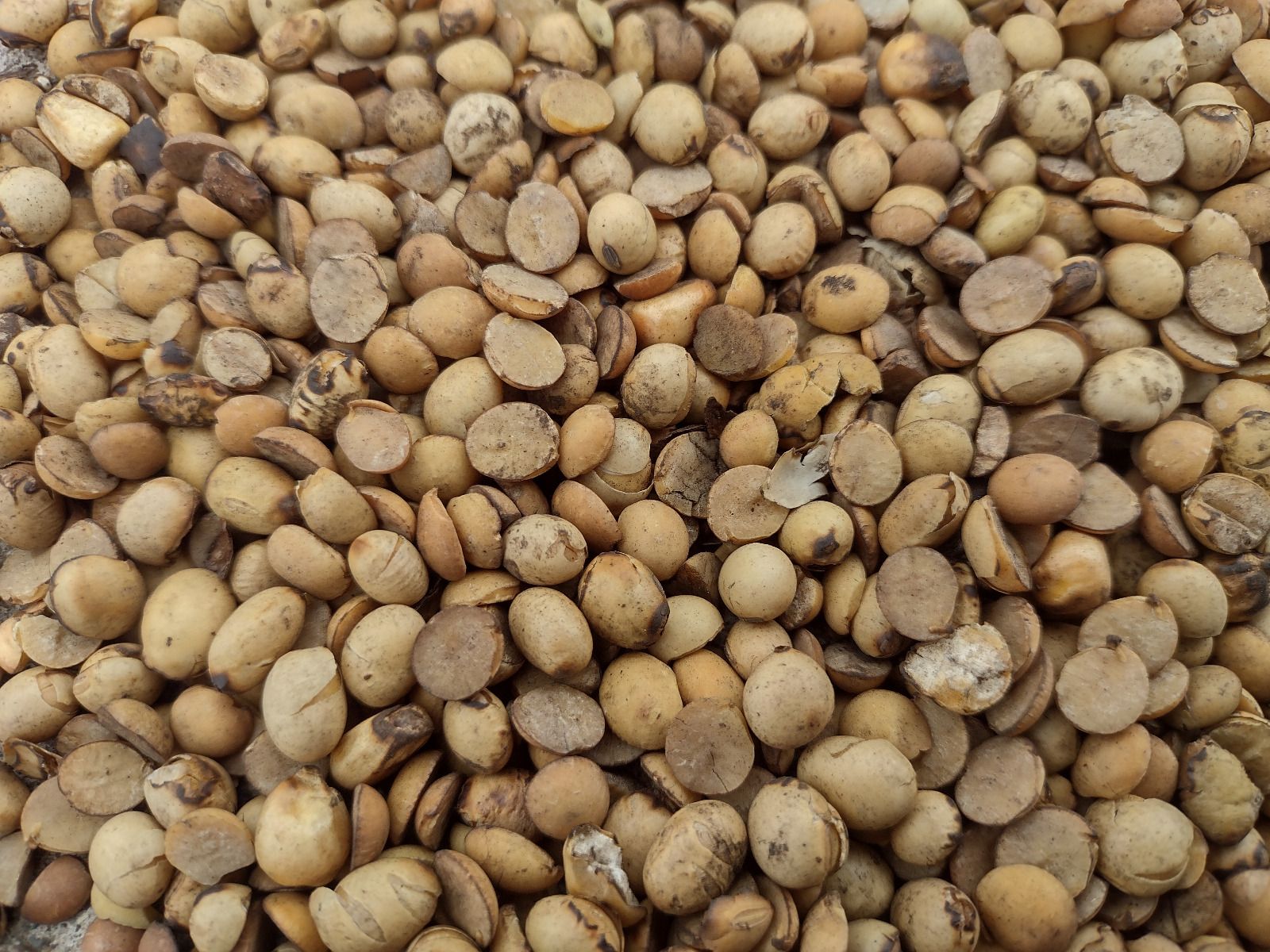
Raw whole feed soybeans are supplied as harvested, with the hull intact and no thermal processing applied. They typically contain 36-40% crude protein on a dry matter basis and require on-site processing through extrusion, roasting, or cooking before inclusion in animal feed to deactivate anti-nutritional factors such as trypsin inhibitors, lectins, and antigenic proteins that can interfere with animal digestion and nutrient absorption. Raw whole soybeans are the most economical option for feed mills with processing capability.
Soybean splits are dehulled and cracked soybeans, with the hull removed to concentrate the protein content to 45% minimum crude protein on a dry matter basis. The dehulling process removes approximately 8-10% of the bean weight (the fibrous hull), resulting in a product with higher protein density. Soybean splits can be included directly in feed rations with appropriate supplementation, though they may require additional processing for optimal digestibility. Roasted soybeans have been heat-treated at temperatures typically between 135 and 150 degrees Celsius, which deactivates anti-nutritional factors and makes the protein highly digestible and suitable for direct inclusion in feed rations without any further processing at the feed mill. Roasted soybeans also provide bypass protein benefits for ruminant animals, as the heat treatment increases the proportion of protein that passes through the rumen undegraded.
Brazilian feed soybeans offer three competitive advantages for international buyers. First, production volume: Brazil produces 150-155 million metric tons of soybeans annually, with 40-50 million metric tons directed to feed applications. This massive production scale ensures reliable year-round supply and competitive pricing. Second, protein content: Brazilian feed soybeans typically deliver 36-40% crude protein for raw whole beans and 45% minimum for splits and roasted beans, comparable to U.S. Gulf Coast soybeans and higher than Argentine origin. Third, cost efficiency: Brazilian feed soybeans benefit from lower production costs due to favorable climate, large-scale mechanization, and efficient logistics, resulting in pricing that is 5-15% lower than equivalent U.S. origin feed soybeans.
Brazil’s feed soybean supply chain includes modern processing facilities for dehulling, splitting, and roasting, with capacity to process 5,000-10,000 metric tons per day at major crushing plants in Mato Grosso, Parana, and Rio Grande do Sul. SAI AGRO BRAZIL leverages direct relationships with soybean originators and crushers across Brazil’s major producing states to supply feed-grade soybeans in raw whole, split, and roasted forms. Our team understands the specific nutritional and processing requirements of feed buyers, and we coordinate with processors who specialize in heat treatment and dehulling to deliver product that meets your exact specifications.
| Parameter | Specification | Test Method |
|---|---|---|
| Product Name | Feed Soybeans (Raw Whole, Splits, Roasted) | Visual inspection |
| Scientific Name | Glycine max (L.) Merr. | Taxonomic classification |
| Grade | Feed Grade | N/A |
| Forms Available | Raw whole soybeans, soybean splits, roasted soybeans | N/A |
| Crude Protein | 45% minimum (dry basis) for splits and roasted; 36-40% for raw whole | Kjeldahl or Dumas method (AOCS Ba 4d-90) |
| Crude Fat | 8% minimum (dry basis) | NIR analysis (AOCS Ba 3-02) |
| Crude Fiber | 10% maximum (dry basis) | Acid detergent fiber (AOCS Ba 6a-05) |
| Moisture | 13% maximum | Moisture meter (AOCS Ba 2-02) |
| Urease Activity | 0.05 to 0.20 mg N/g min (for roasted soybeans) | Urease activity test (AOCS Ba 9-58) |
| Protein Dispersibility Index (PDI) | 70% to 85% (for roasted soybeans) | PDI test (AOCS Ba 10-65) |
| Total Aflatoxin | Compliant with destination country regulations | HPLC or ELISA (AOCS Bh 5-02) |
| Sand and Silica | 1% maximum | Ash analysis |
| Foreign Material | 2% maximum | Sieve analysis |
| Packaging | Bulk bags (1,000 kg jumbo bags) or bulk vessel | N/A |
| Shelf Life | 12 to 18 months when stored in dry, ventilated conditions | Storage stability testing |
| Storage Conditions | Cool, dry, well-ventilated warehouse below 25°C | N/A |
| Origin | Brazil (Mato Grosso, Parana, Rio Grande do Sul, Goias, Bahia) | Certificate of Origin |
Test methods follow AOCS (American Oil Chemists’ Society) official methods. Independent inspection agencies (SGS, Bureau Veritas, Cotecna) verify all parameters at the port of loading before shipment. Urease activity and PDI tests confirm proper heat treatment for roasted soybeans, ensuring optimal digestibility and nutritional value for animal feed applications.
Every shipment of Brazilian feed soybeans includes comprehensive documentation. The phytosanitary certificate, issued by MAPA (Brazilian Ministry of Agriculture), confirms the product meets plant health requirements of the destination country. The certificate of origin, issued by the Brazilian Chamber of Commerce, establishes the Brazilian source for customs clearance. The quality and weight certificate, issued by independent inspection agencies (SGS, Bureau Veritas, Cotecna), provides third-party verification of shipment specifications including protein content, moisture levels, and other quality parameters.
Additional documentation available upon request: analysis certificate (detailed laboratory report covering proximate composition, aflatoxin screening, pesticide residue analysis), fumigation certificate (for destinations requiring pre-shipment treatment), temperature certificate (for roasted soybeans confirming the heat treatment process parameters), and veterinary health certificate (for destinations requiring animal feed safety documentation). All documentation complies with international trade regulations for agricultural commodities and animal feed ingredients.
Brazilian feed soybeans serve the full spectrum of animal nutrition applications. Feed mills use feed-grade soybeans as the primary protein source in compound feed formulations for poultry, swine, cattle, and aquaculture operations. Raw whole beans are processed on-site through extrusion or roasting to deactivate anti-nutritional factors before inclusion in feed rations. Poultry integrators use roasted soybeans and soybean splits to provide high-density protein and energy for broiler, layer, and turkey rations. The balanced amino acid profile (particularly lysine, methionine, and threonine) supports optimal growth and egg production in poultry operations.
Swine production operations use heat-treated soybeans to deliver digestible protein for weanling piglets, grower-finisher diets, and sow rations. Reduced anti-nutritional factors ensure gut health and feed conversion efficiency in swine herds. Ruminant nutrition programs include whole or cracked soybeans in dairy and beef cattle rations to supplement rumen-degradable and rumen-undegradable protein. Roasted soybeans offer bypass protein for high-producing dairy herds, with the heat treatment increasing the proportion of protein that escapes rumen degradation and is absorbed in the small intestine. Aquaculture feed processors use soybean splits and roasted soybeans as protein sources in shrimp, tilapia, salmon, and other aquaculture species feed formulations, replacing fishmeal in sustainable feed programs. Pet food manufacturers process feed-grade soybeans into pet food formulations as a plant-based protein source in dry kibble, wet food, and treat products for dogs and cats.
Our primary buyer segments for feed soybeans include: (1) Compound feed manufacturers producing poultry, swine, cattle, and aquaculture feed formulations, with monthly requirements of 500-5,000 metric tons; (2) Poultry integration companies operating broiler, layer, and turkey production systems, with annual requirements of 5,000-50,000 metric tons; (3) Swine production operations including farrow-to-finish and grower-finisher facilities, with monthly requirements of 200-2,000 metric tons; (4) Dairy and beef cattle farms supplementing rations with high-protein feed ingredients, with monthly requirements of 100-1,000 metric tons; (5) Aquaculture feed processors producing shrimp, tilapia, and salmon feed, with annual requirements of 1,000-10,000 metric tons; (6) Pet food manufacturers creating dry kibble, wet food, and treat products, with annual requirements of 500-5,000 metric tons; (7) Feed ingredient distributors supplying regional feed mills and livestock producers, with quarterly requirements of 1,000-10,000 metric tons.
SAI AGRO BRAZIL serves buyers across Asia (China, Vietnam, Thailand, Philippines, Indonesia), Middle East (Saudi Arabia, UAE, Egypt, Turkey), Europe (Netherlands, Spain, Germany, Poland), Africa (Nigeria, South Africa, Kenya, Ghana), and Latin America (Mexico, Colombia, Peru, Chile). Pricing is quoted per metric ton in USD and varies based on form (raw whole, splits, roasted), protein content, shipment volume, and current market conditions. Forward pricing available for buyers locking in supply contracts 3-12 months ahead of delivery.
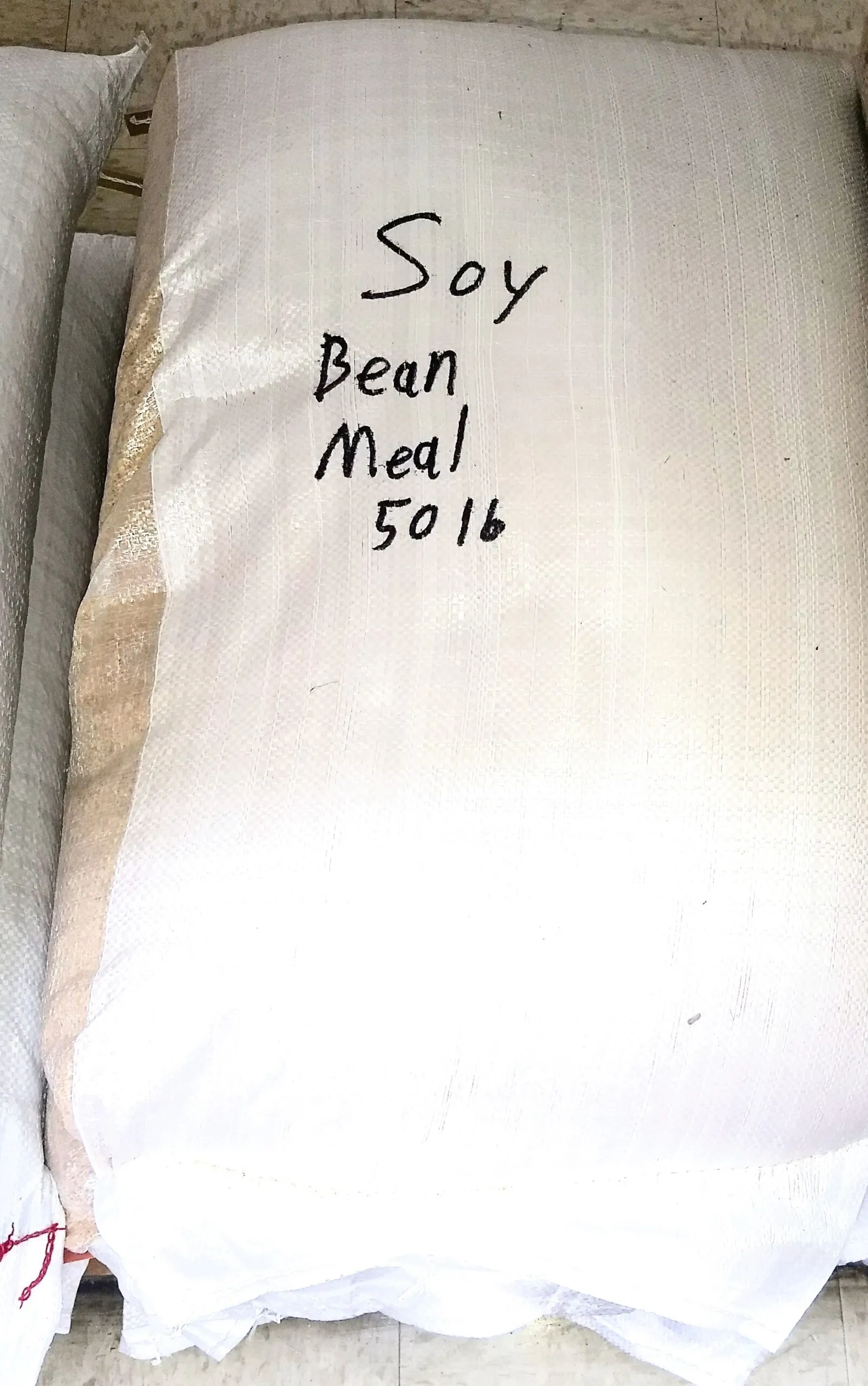
Brazilian feed soybeans are shipped in three primary formats to meet different buyer requirements. Bulk bags (1,000 kg jumbo bags) use woven polypropylene with UV treatment, designed for mechanical handling at feed mill facilities. Each bag holds approximately one metric ton of soybeans, and bags are palletized and shrink-wrapped for container loading. Bulk vessel shipments use loose-fill loading directly into vessel holds using pneumatic or grab-crane systems at Brazilian port terminals, suitable for high-volume orders of 10,000 to 60,000 metric tons. Containerized bulk uses loose-fill in food-grade container liners inside 20-foot or 40-foot dry containers, combining the cost efficiency of bulk with the flexibility of container shipping for orders of 27-28 metric tons per container.
Loading ports include Santos (Sao Paulo state), Paranagua (Parana state), Rio Grande (Rio Grande do Sul state), and Salvador (Bahia state). Santos handles 40% of Brazilian soybean exports, Paranagua handles 30%, Rio Grande handles 15%, and Salvador handles 10%, with remaining volume from smaller ports. Average port turnaround time: 7-10 days at Santos, 5-7 days at Paranagua, 4-6 days at Rio Grande (2025 ANTAQ data). Shipment terms include FOB (Free On Board), CFR (Cost and Freight), and CIF (Cost, Insurance, and Freight) Incoterms 2020.
| Destination Region | Transit Time (Days) | Primary Ports |
|---|---|---|
| China (Shanghai, Qingdao, Guangzhou) | 28-38 days | Santos, Paranagua |
| Southeast Asia (Jakarta, Manila, Bangkok) | 30-38 days | Santos, Paranagua |
| Middle East (Jebel Ali, Jeddah, Istanbul) | 22-30 days | Santos, Paranagua |
| Europe (Rotterdam, Hamburg, Antwerp) | 20-28 days | Santos, Paranagua |
| North Africa (Casablanca, Alexandria) | 20-28 days | Santos, Paranagua |
| West Africa (Lagos, Tema, Abidjan) | 18-25 days | Santos |
| East Africa (Mombasa, Dar es Salaam) | 25-32 days | Santos, Paranagua |
| Mexico (Manzanillo, Veracruz) | 20-28 days | Santos, Paranagua |
| Colombia (Buenaventura, Cartagena) | 15-22 days | Santos, Paranagua |
Transit times based on 2025 shipping data from major Brazilian ports. Actual transit times vary based on vessel speed, weather conditions, and port congestion. Total lead time from order confirmation to vessel departure includes 10-20 days for quality testing, documentation preparation, and cargo loading, depending on shipment size and product form (raw whole, splits, roasted). Bulk vessel shipments typically require 15-20 days lead time, while containerized shipments require 10-14 days lead time.
Raw whole feed soybeans are supplied as harvested, with the hull intact and no thermal processing applied. They require on-site processing through extrusion, roasting, or cooking before inclusion in animal feed to deactivate anti-nutritional factors such as trypsin inhibitors. Soybean splits are dehulled and cracked soybeans, with the hull removed to concentrate the protein content to 45% minimum crude protein. They can be included directly in feed rations with appropriate supplementation. Roasted soybeans have been heat-treated to deactivate anti-nutritional factors, making them ready for direct feed inclusion without further processing. Roasted soybeans also provide bypass protein benefits for ruminant animals, as the heat treatment increases the proportion of protein that passes through the rumen undegraded. The choice between forms depends on your processing capability, the species being fed, and your nutritional formulation requirements.
The minimum order quantity for feed soybeans from SAI AGRO BRAZIL is contractual and varies based on the buyer’s requirements, the form of soybeans requested, and the shipment method. For containerized shipments, a standard 20-foot container holds approximately 27 to 28 metric tons of soybeans in bulk bags or container liner loading. For bulk vessel shipments, minimum orders typically start at 10,000 metric tons, though we can accommodate smaller vessel charters based on availability and port restrictions. We work with feed mills, livestock integrators, and trading companies of all sizes, from single-container buyers to companies securing long-term annual supply agreements. Contact our team with your volume requirements and preferred shipment method, and we will provide a tailored quotation.
Raw whole feed soybeans from Brazil typically contain 36% to 40% crude protein on a dry matter basis. After dehulling and processing into soybean splits or roasted soybeans, the protein content increases to 45% minimum crude protein on a dry matter basis, as the removal of the fibrous hull concentrates the protein fraction. The actual protein content of any specific shipment depends on the crop year, growing region, and soybean variety. SAI AGRO BRAZIL provides laboratory analysis certificates with every shipment, confirming the protein content and other proximate analysis parameters. We can also source soybeans with higher protein specifications for buyers who require premium protein levels, subject to availability and pricing adjustments.
Every shipment of feed soybeans from SAI AGRO BRAZIL includes a Phytosanitary Certificate issued by the Brazilian Ministry of Agriculture, Livestock and Food Supply (MAPA), confirming the cargo meets the importing country’s plant health requirements. A Certificate of Origin is provided for customs clearance and tariff preference claims. A Quality and Weight Certificate from an independent surveyor such as SGS or Bureau Veritas confirms the cargo specifications at the time of loading. Additional documents available upon request include fumigation certificates, detailed laboratory analysis reports covering proximate composition, aflatoxin screening results, and temperature certificates for roasted soybeans confirming the heat treatment parameters. All documentation is prepared in accordance with the import regulations of the destination country.
Roasted soybeans have undergone controlled heat treatment at temperatures typically between 135 and 150 degrees Celsius, which deactivates anti-nutritional factors including trypsin inhibitors, lectins, and antigenic proteins that can interfere with animal digestion and nutrient absorption. This heat treatment makes the protein in roasted soybeans highly digestible and suitable for direct inclusion in feed rations without any further processing at the feed mill. Raw whole soybeans, by contrast, contain active anti-nutritional factors and must be processed through extrusion, roasting, or cooking before they can be safely fed to monogastric animals such as poultry and swine. For ruminant animals, roasted soybeans also provide increased bypass protein, meaning a greater proportion of the protein escapes rumen degradation and is absorbed in the small intestine, which is particularly beneficial for high-producing dairy cows. The choice between raw and roasted depends on your on-site processing capability and the nutritional requirements of the animals being fed.
Shipment transit times from Brazil depend on the destination port and the shipment method. Containerized shipments departing from Santos, Paranagua, or Rio Grande typically reach major Asian ports (Shanghai, Qingdao, Guangzhou) within 28 to 38 days, Middle Eastern ports (Jebel Ali, Jeddah) within 22 to 30 days, European ports (Rotterdam, Hamburg) within 20 to 28 days, and West African ports (Lagos, Tema) within 18 to 25 days. Bulk vessel transit times are similar but may vary based on vessel speed and port congestion. The total lead time from order confirmation to vessel departure includes quality testing, documentation preparation, and cargo loading, typically 10 to 20 business days depending on the shipment size and product form. SAI AGRO BRAZIL provides full shipment tracking and regular status updates from booking confirmation through port arrival.
Pricing for Brazilian feed soybeans is quoted per metric ton in USD and varies based on the form (raw whole, splits, roasted), protein content, shipment volume, and current market conditions. Raw whole soybeans are the most economical option, while roasted soybeans command a premium due to the additional processing required. Pricing is typically based on CBOT (Chicago Board of Trade) soybean futures plus a Brazilian origin premium (basis), which varies by crop year, protein content, and shipment timing. Forward pricing is available for buyers locking in supply contracts 3-12 months ahead of delivery. Payment terms include Letter of Credit (L/C) at sight for new buyers and open account terms for established buyers with credit history. Contact our trade desk with your specific requirements for a current quotation and pricing structure.
Raw whole soybeans are used by feed mills with on-site processing capability (extrusion, roasting, or cooking equipment) to produce custom feed formulations for poultry, swine, cattle, and aquaculture operations. Soybean splits are used by feed mills and livestock integrators who want ready-to-use high-protein ingredients without the need for further dehulling, suitable for direct inclusion in compound feed with appropriate supplementation. Roasted soybeans are used by poultry integrators, swine producers, dairy farms, and aquaculture operations who want premium feed ingredients with deactivated anti-nutritional factors and high protein digestibility, ready for direct feed inclusion without any further processing. The choice depends on your processing capability, the species being fed, and your nutritional formulation requirements.
SAI AGRO BRAZIL
Share your volume, destination and trade preference. Our commercial desk will review your requirement and reply within 24-48 hours
WhatsApp Us
Adding {{itemName}} to cart
Added {{itemName}} to cart