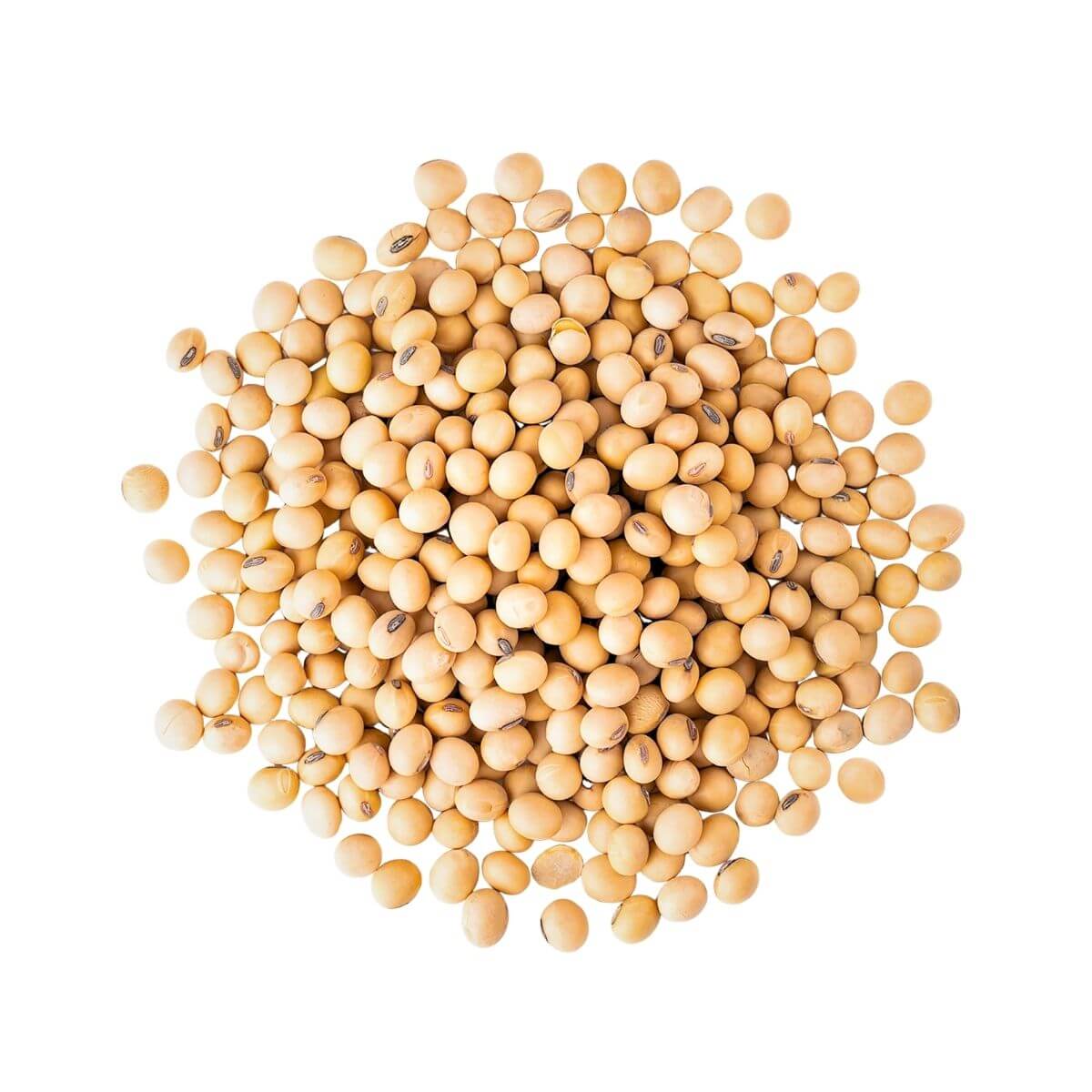
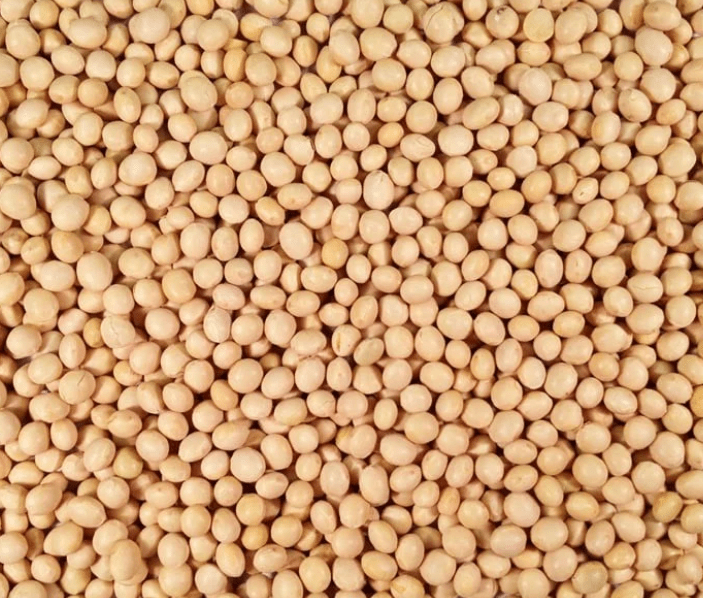
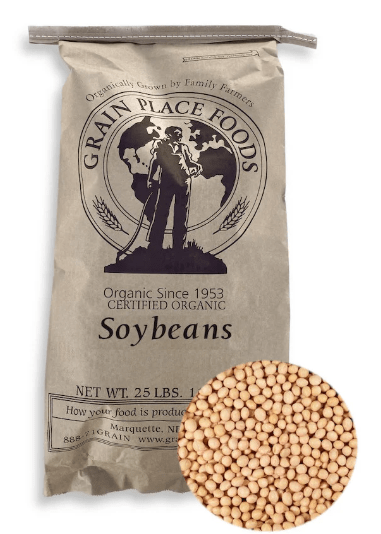
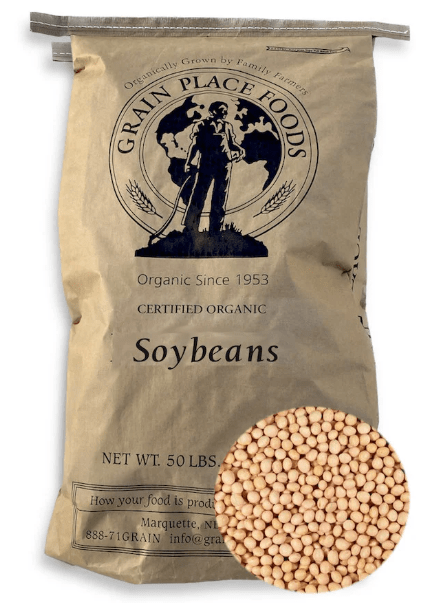
Food-grade non-GMO soybeans for soymilk, tofu, and plant-based protein manufacturers. Protein 36-40% minimum, moisture 13% max, foreign matter 1% max. Identity-preserved supply chains with PCR testing. 25kg, 50kg bags or bulk. FOB/CFR/CIF terms. 24-month shelf life. Brazil produces 2-3 million MT annually. Meets Japanese and Korean tofu specifications (38%+ protein). 25-40% premium over crushing-grade. Full organic and non-GMO documentation.
| Specification | Details |
|---|---|
| Type | Organic Non-GMO, Whole |
| Protein | 36–40% minimum |
| Moisture | 13% max |
| Shelf Life | 24 months |
| Packaging | 25kg, 50kg Bags or Bulk |
| MOQ | Contractual |
| Terms | FOB / CFR / CIF |
| Origin | Brazil |
SAI AGRO BRAZIL is a Brazilian exporter of food-grade non-GMO soybeans for human consumption, supplying soymilk manufacturers, tofu producers, plant-based protein processors, and food ingredient companies worldwide. Brazil produces 2-3 million metric tons of food-grade soybeans annually (ABIOVE 2025 estimate), representing 2% of total production. Our food-grade soybeans deliver protein content 36-40% minimum, moisture 13% maximum, foreign matter 1% maximum, and 24-month shelf life. Identity-preserved supply chains with PCR testing verifying non-GMO status. Shipment terms include FOB, CFR, and CIF from Santos, Paranagua, and Rio Grande ports with MOQ contractual. All shipments include MAPA phytosanitary certification, organic certification documentation, and quality/weight certificates from SGS, Bureau Veritas, or Cotecna.
Food-grade soybeans for human consumption are whole soybeans grown without synthetic pesticides or genetically modified organisms, processed under food-grade conditions suitable for direct human consumption. Unlike feed-grade or crushing-grade soybeans, food-grade soybeans must meet strict quality standards for protein content (36-40% minimum), moisture (13% maximum), foreign matter (1% maximum), and visual appearance (uniform size, clean, no discoloration).
Brazil produces approximately 2-3 million metric tons of food-grade soybeans annually (2025 estimate, ABIOVE), representing about 2% of total Brazilian soybean production. These soybeans are sourced from identity-preserved supply chains, with traceability from certified organic farms through processing facilities to final shipment. SAI AGRO BRAZIL supplies food-grade soybeans directly from certified farms in Mato Grosso, Parana, Rio Grande do Sul, and Goias, with full documentation including phytosanitary certificates, organic certification, and non-GMO identity-preserved records.
Brazilian food-grade soybeans typically deliver 36-40% protein on a dry basis, which meets the requirements for soymilk production (minimum 35% protein) and tofu manufacturing (minimum 36% protein). Higher protein content yields better extraction rates: soymilk production achieves 70-80% protein extraction from soybeans with 38%+ protein content, compared to 60-70% extraction from soybeans with 35-37% protein content.
For tofu manufacturing, higher protein content (38-40%) produces firmer tofu with better texture and yield. Japanese and Korean tofu manufacturers typically require soybeans with 38%+ protein content, while Chinese tofu producers accept 36-38% protein. Brazilian food-grade soybeans meet these requirements, with protein content verified through NIR analysis (AOCS Ba 0-02) by independent inspection agencies (SGS, Bureau Veritas, Cotecna) at the port of loading.
Food-grade soybeans differ from conventional (crushing-grade) soybeans in four key areas. First, quality standards: food-grade soybeans must meet strict specifications for protein content (36-40% vs. 34-36% for crushing grade), moisture (13% vs. 13.5%), foreign matter (1% vs. 2%), and visual appearance (uniform size, clean, no discoloration). Second, supply chain: food-grade soybeans are sourced from identity-preserved supply chains with traceability from farm to port, while crushing-grade soybeans are blended from multiple sources. Third, certification: food-grade soybeans are typically organic and non-GMO certified, while crushing-grade soybeans are predominantly GMO (97% of Brazilian production). Fourth, pricing: food-grade soybeans command a 25-40% price premium over crushing-grade soybeans, depending on protein content, certification requirements, and shipment volume.
SAI AGRO BRAZIL supplies both organic and conventional food-grade soybeans, with protein content ranging from 36-40% on a dry basis. All food-grade soybeans are non-GMO and identity-preserved, with PCR testing (AOCS ak-01) verifying absence of GMO traits. Organic certification documentation is provided for buyers requiring organic-certified raw materials for soymilk, tofu, and other organic food products.
| Parameter | Specification | Test Method |
|---|---|---|
| Product Name | Whole Soybeans for Human Consumption | Visual inspection |
| Scientific Name | Glycine max (L.) Merr. | Taxonomic classification |
| Variety | Conventional food-grade and organic Non-GMO | Identity preserved |
| GMO Status | Non-GMO, Identity Preserved (IP) | PCR testing (AOCS ak-01) |
| Organic Certification | Certified organic per applicable standards | IFOAM-accredited certifier |
| Moisture Content | 13% maximum | Moisture meter (AOCS Ba 2-02) |
| Protein Content (Dry Basis) | 36% to 40% minimum | NIR analysis (AOCS Ba 0-02) |
| Oil Content (Dry Basis) | 18% to 22% | NIR analysis (AOCS Ba 3-02) |
| Foreign Material | 1% maximum | Sieve analysis |
| Damaged Kernels | 2% maximum | Visual inspection |
| Splits | 5% maximum | Visual inspection |
| Test Weight | 56 lbs/bu minimum (72 kg/hL) | Weight per bushel measurement |
| Seed Count | Uniform, calibrated for food-grade use | Size grading |
| Shelf Life | 24 months from date of production | Storage stability testing |
| Storage Conditions | Cool, dry, well-ventilated warehouse below 25°C | N/A |
| Origin | Brazil (Mato Grosso, Parana, Rio Grande do Sul, Goias) | Certificate of Origin |
Test methods follow AOCS (American Oil Chemists’ Society) official methods. Independent inspection agencies (SGS, Bureau Veritas, Cotecna) verify all parameters at the port of loading before shipment. Organic certification documentation confirms compliance with IFOAM standards and destination market requirements (EU EC 834/2007, USDA NOP, JAS).
Every shipment of food-grade soybeans includes comprehensive documentation. The phytosanitary certificate, issued by MAPA (Brazilian Ministry of Agriculture), confirms the product meets plant health requirements of the destination country. The certificate of origin, issued by the Brazilian Chamber of Commerce, establishes the Brazilian source for customs clearance. Organic certification documentation confirms compliance with IFOAM standards and destination market organic regulations. Non-GMO identity-preserved documentation confirms traceability from certified farms with PCR testing verifying absence of GMO traits.
Additional documentation available upon request: quality and weight certificate from independent inspection agencies (SGS, Bureau Veritas, Cotecna), analysis certificate (detailed laboratory report covering proximate composition, mycotoxin screening, pesticide residue analysis), fumigation certificate (for destinations requiring pre-shipment treatment), and temperature certificate (for shipments requiring temperature monitoring during transit). All documentation complies with international trade regulations for agricultural commodities.
Food-grade soybeans serve six primary applications in the food processing industry. Soymilk production uses whole soybeans to produce dairy alternatives for lactose-intolerant consumers and plant-based diet followers. Tofu manufacturing coagulates and presses soybeans into tofu blocks for Asian food markets, vegetarian product lines, and plant-based meal kits. Plant-based protein processing converts soybeans into soy protein isolate, soy protein concentrate, and textured vegetable protein for meat alternatives and nutritional supplements.
Food ingredient blending incorporates ground or flaked soybeans into flour blends, bakery formulations, snack bars, and ready-to-eat meal products. Sprouting uses whole viable soybeans to produce soybean sprouts for fresh vegetable markets, salad bars, and Asian cuisine applications. Traditional food products include soy sauce, miso, tempeh, natto, and other fermented soy-based food products popular in Asian cuisine. Each application requires specific protein content, moisture levels, and visual appearance standards, which Brazilian food-grade soybeans consistently meet.
Our primary buyer segments for food-grade soybeans include: (1) Soymilk manufacturers producing dairy alternatives for retail and foodservice channels, with annual soybean requirements of 500-5,000 metric tons; (2) Tofu producers supplying Asian food markets, vegetarian product lines, and plant-based meal kits, with monthly requirements of 50-500 metric tons; (3) Plant-based protein processors creating meat alternatives and nutritional supplements, with annual requirements of 1,000-10,000 metric tons; (4) Food ingredient blenders producing flour blends, bakery formulations, and snack products, with quarterly requirements of 200-2,000 metric tons; (5) Sprouting operations producing soybean sprouts for fresh markets, with monthly requirements of 20-200 metric tons; (6) Traditional food manufacturers producing soy sauce, miso, tempeh, and natto, with annual requirements of 100-1,000 metric tons.
SAI AGRO BRAZIL serves buyers across Asia (Japan, South Korea, China, Taiwan, Hong Kong, Singapore), Europe (Germany, Netherlands, France, UK, Italy), North America (United States, Canada), and Oceania (Australia, New Zealand). Pricing typically ranges 25-40% above conventional crushing-grade soybeans, depending on protein content, certification requirements, and shipment volume. Contact our trade desk with your specific requirements for a current quotation.
Food-grade soybeans are shipped in three packaging formats to maintain food-grade integrity during transit. The 25 kg bags use woven polypropylene with food-grade inner liner, suitable for containerized shipment and manual handling at soymilk and tofu production facilities. The 50 kg bags use woven polypropylene with food-grade inner liner, designed for high-volume buyers and industrial food processors with mechanical handling equipment. Bulk packaging uses loose-fill in food-grade container liners for large-volume shipments, reducing packaging costs for high-capacity receiving facilities.
Custom packaging options include private-label bags and custom print designs for buyers who require branded packaging for their distribution channels. All packaging materials comply with food-contact safety standards and are designed to protect product quality during ocean transit. Shipment terms include FOB (Free On Board), CFR (Cost and Freight), and CIF (Cost, Insurance, and Freight) Incoterms 2020. Loading ports include Santos (Sao Paulo state), Paranagua (Parana state), and Rio Grande (Rio Grande do Sul state). Transit times vary by destination: Asia 25-35 days, Europe 18-25 days, North America 20-28 days, Oceania 30-38 days.
| Destination Region | Transit Time (Days) | Primary Ports |
|---|---|---|
| East Asia (Tokyo, Seoul, Taipei, Hong Kong) | 25-32 days | Santos, Paranagua |
| China (Shanghai, Qingdao, Guangzhou) | 28-35 days | Santos, Paranagua |
| Southeast Asia (Singapore, Jakarta, Manila) | 30-38 days | Santos, Paranagua |
| Europe (Rotterdam, Hamburg, Antwerp) | 18-25 days | Santos, Paranagua |
| North America (New York, Los Angeles, Vancouver) | 20-28 days | Santos, Paranagua |
| Oceania (Sydney, Auckland) | 30-38 days | Santos, Paranagua |
Transit times based on 2025 shipping data from major Brazilian ports. Actual transit times vary based on vessel speed, weather conditions, and port congestion. Total lead time from order confirmation to vessel departure includes 7-14 days for quality testing, documentation preparation, and container loading. Food-grade integrity maintained through strict handling procedures and food-grade packaging throughout the supply chain.
Food-grade non-GMO soybeans for human consumption are whole soybeans grown without synthetic pesticides, herbicides, or genetically modified organisms, and processed under food-grade conditions suitable for direct human consumption. These soybeans are sourced from certified organic farms, maintained under identity-preserved supply chains, and tested to confirm the absence of GMO traits. They are used by food manufacturers to produce soymilk, tofu, plant-based proteins, soy flour, and other food products. SAI AGRO BRAZIL supplies these soybeans directly from certified Brazilian farms with full organic and Non-GMO documentation for export to international markets.
The minimum order quantity for food-grade soybeans from SAI AGRO BRAZIL is contractual and depends on the buyer’s specific requirements, the destination market, and the shipment logistics. For containerized shipments, a standard 20-foot container holds approximately 25 to 27 metric tons of soybeans in bagged packaging. For larger orders, bulk vessel shipments can be arranged. We work with buyers of all sizes, from specialty food ingredient importers placing single-container orders to large-scale food processors securing annual supply contracts. Contact our team with your volume requirements and we will provide a tailored offer.
Brazilian food-grade soybeans typically deliver 36-40% protein on a dry basis, which meets the requirements for soymilk production (minimum 35% protein) and tofu manufacturing (minimum 36% protein). Higher protein content yields better extraction rates: soymilk production achieves 70-80% protein extraction from soybeans with 38%+ protein content. Japanese and Korean tofu manufacturers typically require soybeans with 38%+ protein content, while Chinese tofu producers accept 36-38% protein. Brazilian food-grade soybeans meet these requirements, with protein content verified through NIR analysis by independent inspection agencies at the port of loading.
Food-grade organic soybeans from SAI AGRO BRAZIL are available in 25 kg woven polypropylene bags with food-grade inner liners, 50 kg woven polypropylene bags with food-grade inner liners, and bulk packaging using food-grade container liners for high-volume shipments. Custom private-label packaging with your company branding is also available upon request. The choice of packaging depends on your receiving infrastructure, handling capacity, and distribution requirements. All packaging materials comply with food-contact safety standards and are designed to protect the product during ocean transit.
Each shipment of food-grade soybeans from SAI AGRO BRAZIL includes a Phytosanitary Certificate issued by the Brazilian Ministry of Agriculture (MAPA), a Certificate of Origin from the authorized Brazilian trade authority, organic certification documentation from an accredited certification body, Non-GMO identity-preserved traceability records, and a Quality and Weight Certificate from an independent surveyor. Additional documents such as fumigation certificates, laboratory analysis reports, and pre-shipment inspection reports from agencies like SGS can be provided upon request. All documentation is prepared to meet the import requirements of the destination country.
Shipment transit times from Brazil depend on the destination port. Shipments departing from Santos, Paranagua, or Rio Grande typically reach major ports in Asia within 25 to 35 days, European ports within 18 to 25 days, North American ports within 20 to 28 days, and Oceania ports within 30 to 38 days. Containerized shipments are loaded in 20-foot or 40-foot dry containers. The total lead time from order confirmation to vessel departure includes time for quality testing, documentation preparation, and container stuffing, typically 7 to 14 business days. We provide full shipment tracking and regular status updates from the time of booking until the cargo arrives at the destination port.
Yes, SAI AGRO BRAZIL provides pre-shipment samples for buyer evaluation before any purchase contract is finalized. Samples are drawn from the current available lot and shipped via courier service to your designated address. The sample includes representative soybeans from the batch along with a preliminary quality analysis report covering moisture content, protein content, foreign material, damaged kernels, and visual appearance. This allows buyers to confirm the product meets their specifications and quality expectations before committing to a full shipment. Contact our sales team to request a sample and specify any particular quality parameters you need verified.
Food-grade soybeans differ from conventional (crushing-grade) soybeans in four key areas. First, quality standards: food-grade soybeans must meet strict specifications for protein content (36-40% vs. 34-36% for crushing grade), moisture (13% vs. 13.5%), foreign matter (1% vs. 2%), and visual appearance. Second, supply chain: food-grade soybeans are sourced from identity-preserved supply chains with traceability from farm to port. Third, certification: food-grade soybeans are typically organic and non-GMO certified. Fourth, pricing: food-grade soybeans command a 25-40% price premium over crushing-grade soybeans, depending on protein content, certification requirements, and shipment volume.
SAI AGRO BRAZIL
Share your volume, destination and trade preference. Our commercial desk will review your requirement and reply within 24-48 hours
WhatsApp Us
Adding {{itemName}} to cart
Added {{itemName}} to cart