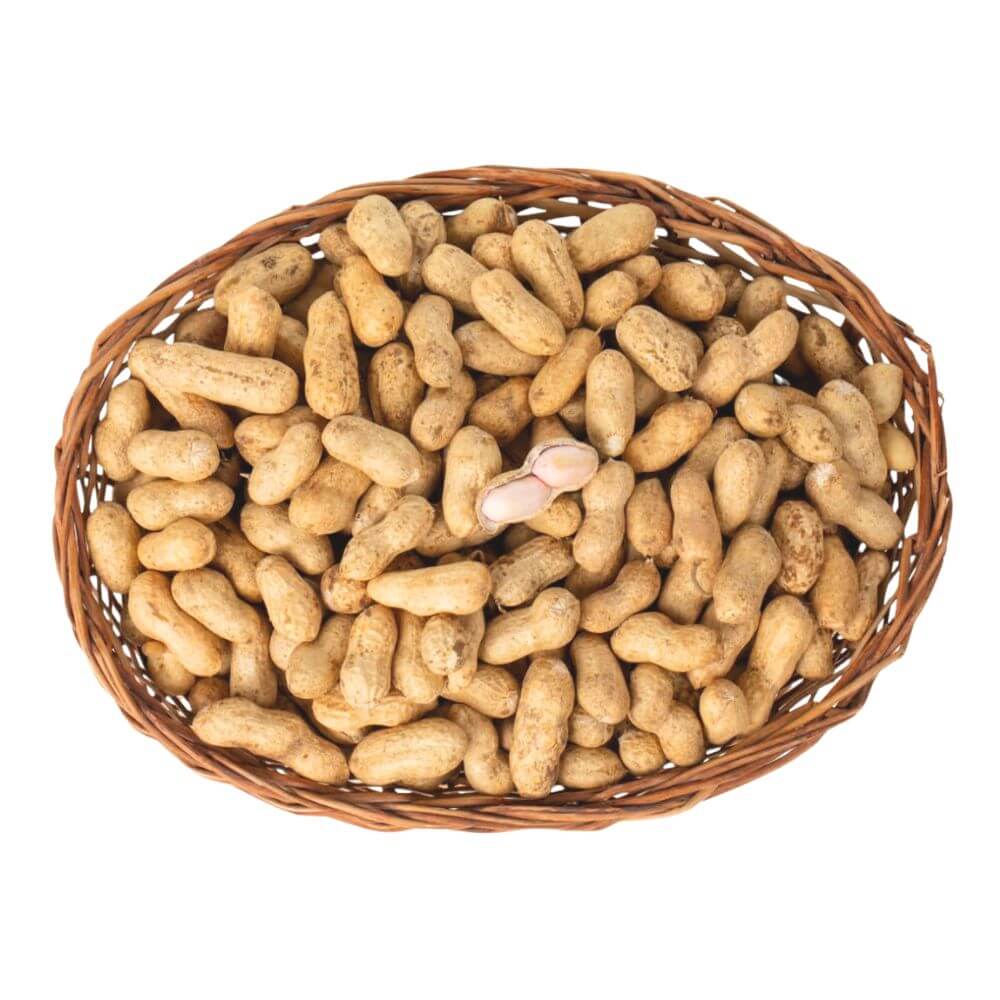
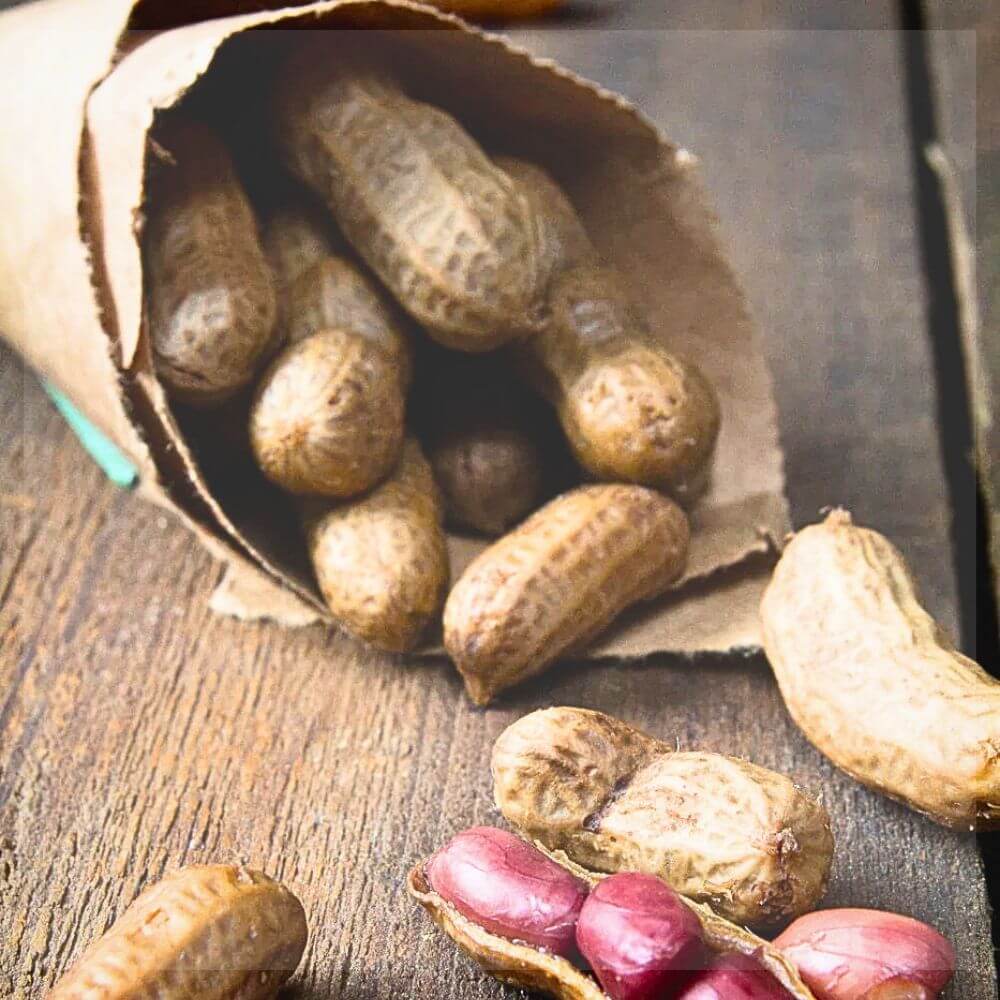
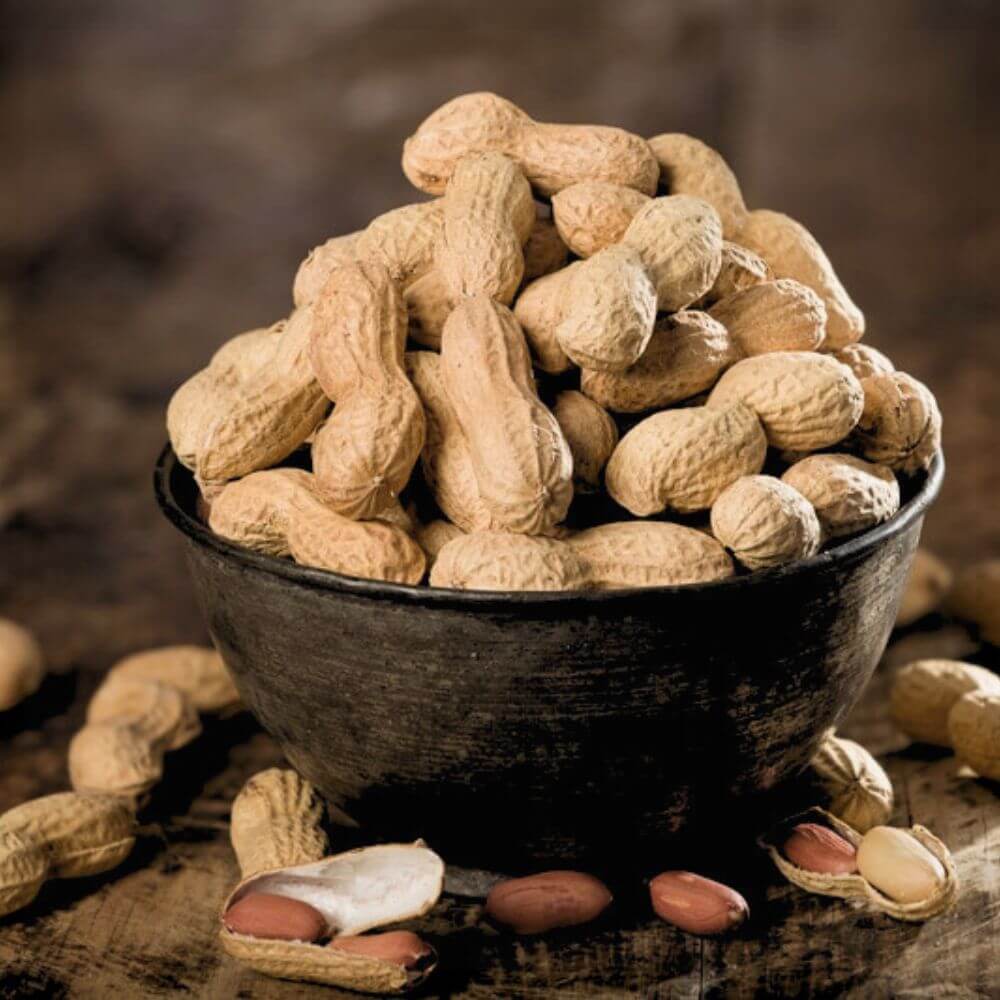
Premium peanuts from Brazil for snack manufacturers, peanut butter producers, oil processors, and confectionery companies. Brazil’s peanut industry is concentrated in São Paulo state (Tupã, Marília, Jaboticabal regions) and Mato Grosso do Sul, producing approximately 750,000 metric tons annually (CONAB 2025/26). Our peanuts are predominantly Runner variety (90%+), with Virginia and Spanish available. Aflatoxin-controlled supply chain with EU-grade (<4 ppb B1) available. Shelled, blanched, splits, and chopped forms. 25kg/50kg bags or 1,000kg bulk bags. FOB/CFR/CIF from Santos port. MOQ 10 MT per shipment. Competitive pricing for buyers seeking food-safety-compliant peanuts.
| Parameter | Specification |
|---|---|
| Varieties | Runner / Virginia / Spanish |
| Moisture | 8% max |
| Oil Content | 45–50% |
| Aflatoxin | <4 ppb B1 (EU) |
| MOQ | 10 MT |
| Terms | FOB / CFR / CIF |
| Origin | Brazil (SP, MS) |
| Forms | Shelled / Blanched |
SAI AGRO BRAZIL exports premium peanuts from Brazil’s São Paulo growing region to snack manufacturers, peanut butter producers, oil processors, and confectionery companies worldwide. Brazil produces approximately 750,000 metric tons of peanuts annually (CONAB 2025/26), with production concentrated in São Paulo state — the Tupã, Marília, and Jaboticabal regions — and expanding into Mato Grosso do Sul. The Runner variety dominates (90%+ of production), valued for its uniform kernel size, sweet flavor, high oil content (45-50%), and excellent blanching yield. Brazil’s peanut sector has built a reputation for aflatoxin control, with rigorous farm-to-port quality management that makes Brazilian peanuts competitive in the EU, Japanese, and other strict food-safety markets. Our peanuts are available shelled, blanched, split, and chopped, with EU-grade aflatoxin specification (<4 ppb B1) available for premium markets.
SAI AGRO BRAZIL exports premium peanuts (groundnuts) from Brazil’s São Paulo growing region to food manufacturers and processors worldwide. Brazil produces approximately 750,000 metric tons of peanuts annually (CONAB 2025/26), with production concentrated in São Paulo state — the Tupã, Marília, and Jaboticabal regions — and expanding into Mato Grosso do Sul and western Bahia. The Runner variety dominates at 90%+ of production, valued globally for its uniform kernel size, sweet flavor, high oil content (45-50%), and excellent blanching yield (the percentage of whole kernels remaining after skin removal).
Brazil’s peanut sector has built a strong reputation for aflatoxin control — a critical food safety concern for peanuts. Brazilian peanut processors implement comprehensive aflatoxin management programs spanning good agricultural practices (GAP) at farm level, rapid post-harvest drying, controlled storage, and multi-stage laboratory testing (ELISA screening + HPLC confirmation). This rigorous approach enables Brazilian peanuts to reliably meet EU (<4 ppb aflatoxin B1) and Japanese (<10 ppb) limits, positioning Brazil as a preferred origin for food-safety-conscious buyers.
Brazilian peanuts compete with Argentine, U.S., Chinese, and Indian origins. Key differentiators: aflatoxin control — Brazil’s rigorous quality programs produce peanuts with consistently low aflatoxin levels, competitive with Argentina (the global benchmark for EU-grade peanuts) and superior to some Chinese and Indian origins with higher aflatoxin risk; Runner variety quality — Brazilian Runners deliver high blanching yield (70-80% whole kernel recovery), reducing processing waste for peanut butter and blanched product manufacturers; logistics — Santos port provides efficient access to European (14-20 days), Middle Eastern (20-30 days), and African (14-25 days) markets; seasonality — Brazilian peanut harvest (February-May) complements Argentine harvest (April-June), providing supply continuity for Southern Hemisphere sourcing. Brazil’s position as a major agricultural exporter enables competitive logistics and reliable supply.
| Parameter | Specification | Test Method |
|---|---|---|
| Varieties | Runner (dominant), Virginia, Spanish (Arachis hypogaea) | Varietal identification |
| Forms Available | In-Shell, Shelled, Blanched, Splits, Chopped | Processing method |
| Moisture | 8% maximum | Vacuum oven (AOAC) |
| Oil Content | 45-50% | Soxhlet extraction |
| Protein Content | 24-28% | Kjeldahl |
| Aflatoxin (total) | <15 ppb (FDA grade) | HPLC |
| Aflatoxin B1 (EU grade) | <4 ppb | HPLC |
| Foreign Material | 0.5% maximum | Physical separation |
| Kernel Count (Runner) | 38/42, 40/50, 50/60 per oz | Size grading |
| Packaging | 25kg/50kg bags, 1,000kg bulk bags | N/A |
| MOQ | 10 Metric Tons | N/A |
Brazilian peanuts serve four primary market segments. Snack manufacturing: roasted, salted, and flavored peanuts for snack packs, mixed nuts, and beer snacks — the Runner variety’s uniform size and flavor make it ideal for consistent roasting. Peanut butter production: Runner peanuts with 45-50% oil content produce smooth, stable peanut butter with excellent spreadability; blanched peanuts preferred for creamy peanut butter to avoid skin specks. Oil processing: high-oil peanuts pressed for peanut oil, a premium cooking oil in Asian and Middle Eastern markets valued for its high smoke point and nutty flavor. Confectionery: peanuts in chocolate bars, peanut brittle, and candy centers — the Spanish variety’s round shape and high oil content are preferred for candy applications. Brazil’s aflatoxin-controlled supply chain makes its peanuts particularly competitive in EU and Japanese markets with strict food safety requirements.
Peanuts ship in 20-foot dry containers. Standard load: 18-20 MT per 20-foot container using 1,000kg bulk bags, or 15-16 MT using 25kg/50kg bags. Packaging: multi-wall paper or PP woven bags with moisture protection for premium grades. Loading port: Santos (São Paulo) — Brazil’s primary agricultural export port, serving all major global trade routes. Ocean transit times: Europe 14-20 days, North America 12-20 days, Middle East 20-30 days, Asia 28-38 days, Africa 14-25 days. Peanuts’ high oil content makes proper packaging and cool transit important to prevent rancidity. For EU and Japanese destinations, segregated storage and identity preservation ensure aflatoxin specification compliance. Payment: L/C at sight for new buyers; open account for established accounts. Currency: USD per metric ton.
Brazil produces three main varieties. Runner — dominant (90%+), medium-sized uniform kernels with high oil content (45-50%), ideal for peanut butter, confectionery, and roasted snacks. Virginia — large kernels prized for in-shell roasting and premium snack products. Spanish — small round kernels with high oil content, preferred for peanut oil extraction and candy. Brazilian Runner peanuts are valued for consistent quality, sweet flavor, and high blanching yield (70-80% whole kernel recovery).
Aflatoxin control is critical for peanuts. Brazil implements comprehensive programs: farm-level good agricultural practices (GAP), rapid post-harvest drying, controlled storage, and multi-stage testing (ELISA screening + HPLC confirmation). Standard specification: <15 ppb total aflatoxin (FDA limit). EU-grade peanuts available at <4 ppb aflatoxin B1 (EU limit). Certificates of analysis with aflatoxin results provided for every shipment. Segregated storage and identity preservation ensure compliance with EU and Japanese limits. This rigorous approach is why Brazilian peanuts are trusted in food-safety-sensitive markets.
MOQ is 10 metric tons (one 20-foot container load). Packaging: 25kg/50kg multi-wall bags, or 1,000kg bulk bags. Full container: 18-20 MT (bulk bags) or 15-16 MT (small bags). Volume tiers: 10-50 MT (standard), 50-200 MT (volume discount), 200+ MT annual contracts. Blanched peanuts typically require larger MOQ (20+ MT) due to processing line scheduling. Mixed loads with other nuts available.
Documentation: Certificate of Analysis (moisture, oil content, aflatoxin, kernel count), Certificate of Origin, Phytosanitary Certificate, Quality/Weight Certificate. Processing facilities follow HACCP and GMP. Available certifications: BRC, IFS, Halal, Kosher, Organic (certified organic peanuts), and Rainforest Alliance. EU-grade aflatoxin specification (<4 ppb B1) available with HPLC verification. Contact our trade desk for certification requirements specific to your target market.
Contact SAI AGRO BRAZIL for competitive pricing on premium Brazilian peanuts with controlled aflatoxin levels for your snack, butter, or oil manufacturing.
SAI AGRO BRAZIL
Share your volume, destination and trade preference. Our commercial desk will review your requirement and reply within 24-48 hours
Adding {{itemName}} to cart
Added {{itemName}} to cart