
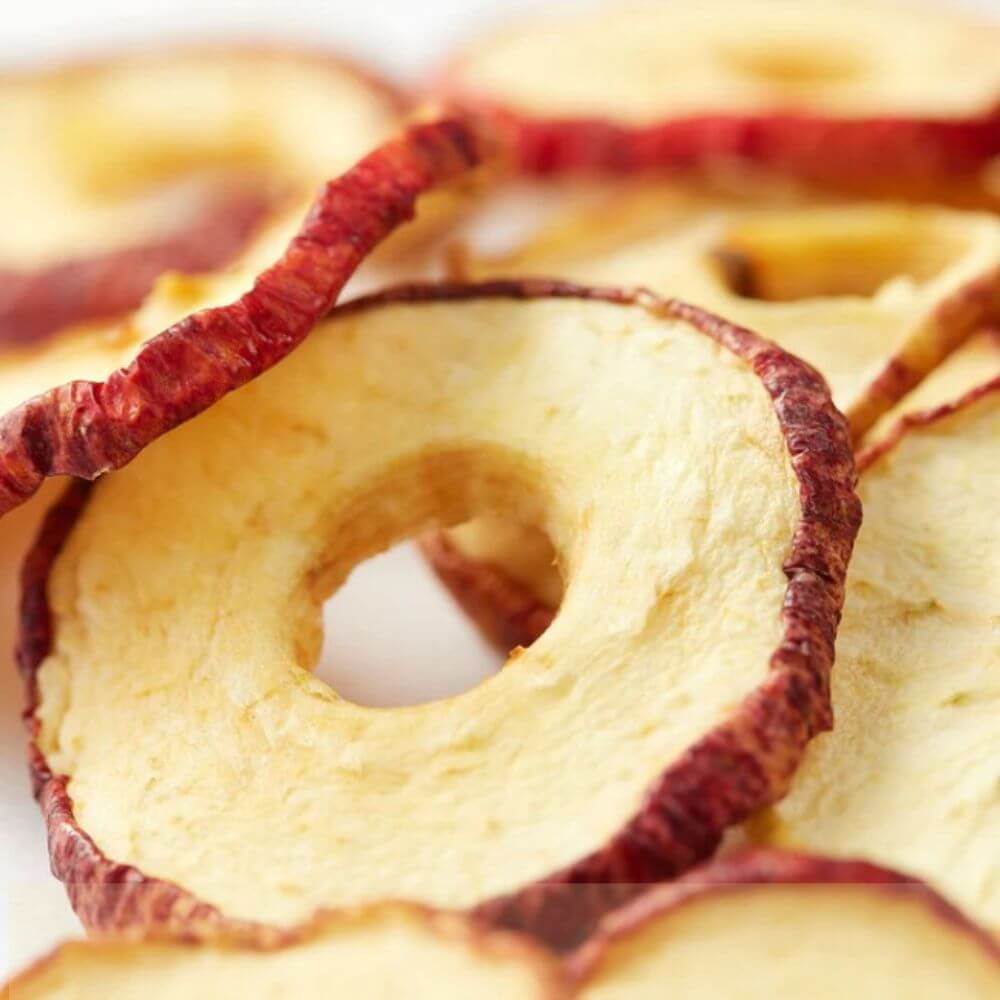
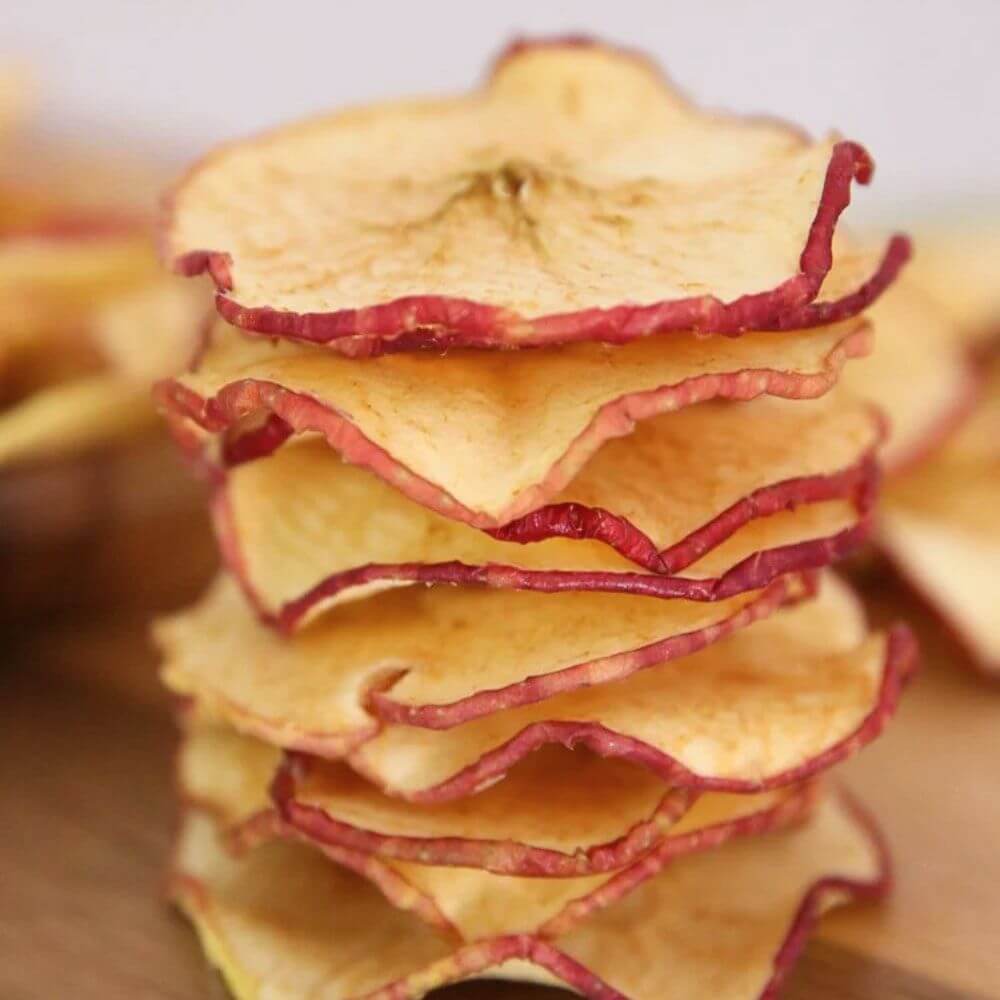
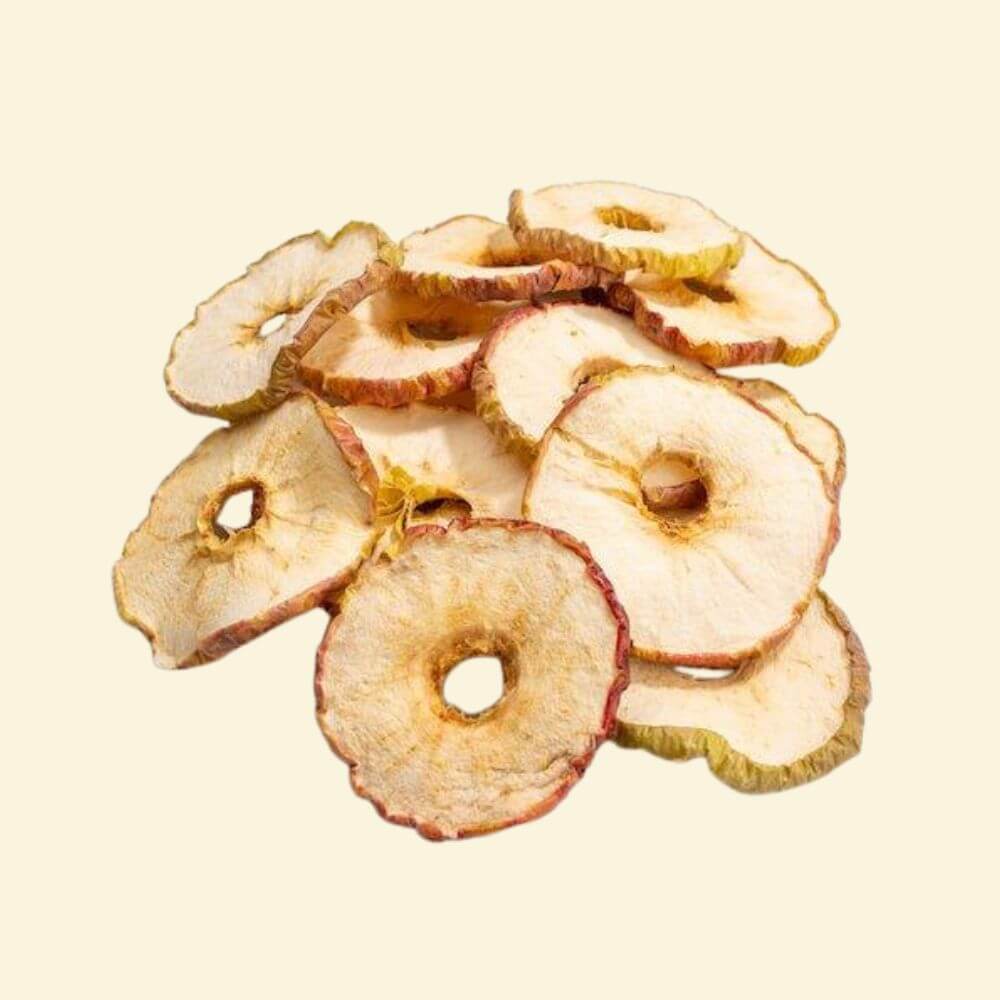
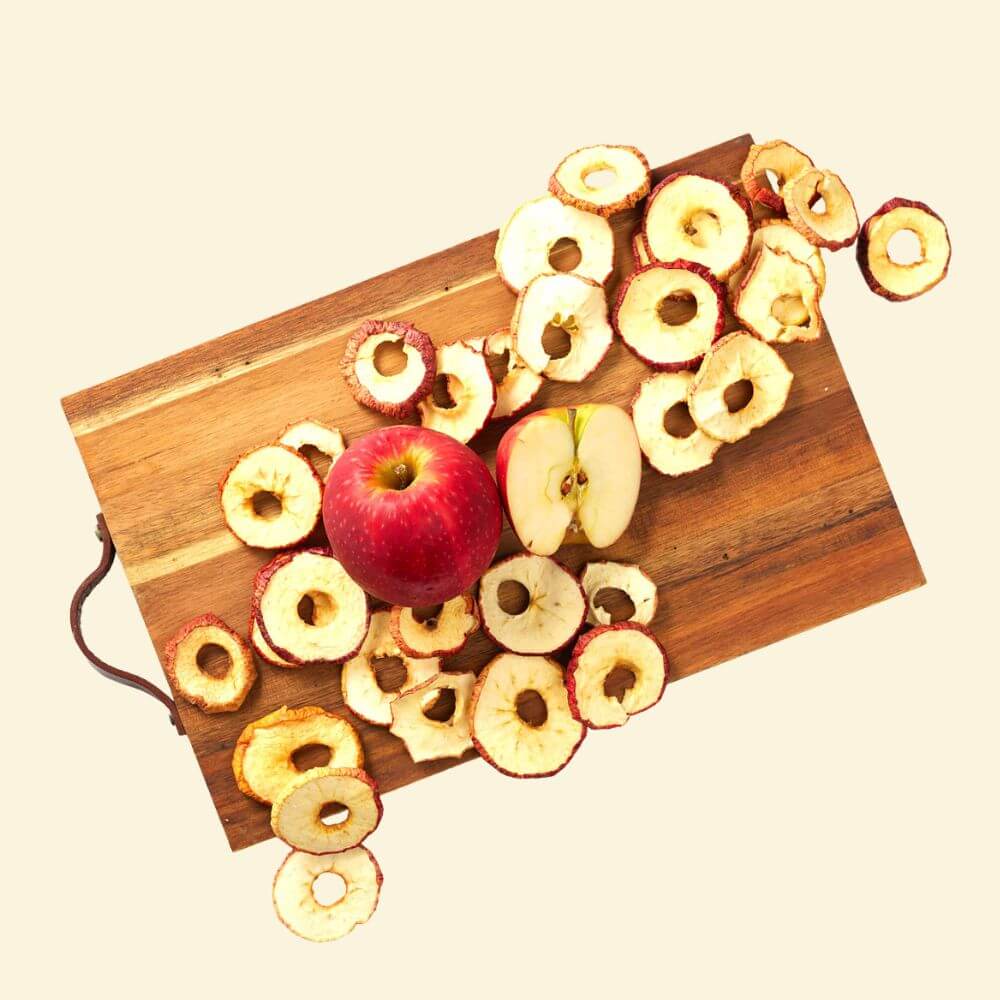
Premium dried apples from Brazil for snack manufacturers, breakfast cereal producers, bakery ingredient suppliers, and confectionery companies. Brazil’s apple production is concentrated in the southern states of Santa Catarina and Rio Grande do Sul, with approximately 1.1 million metric tons harvested annually. Our dried apples are produced from Fuji and Gala varieties, dehydrated to 18-22% moisture without added sugar or preservatives. Available as slices, dices (6/8/10mm), and rings. Sulfured and unsulfured options. 10kg/12.5kg cartons with PE liner. FOB/CFR/CIF from Brazilian ports. MOQ 5 MT per shipment. Competitive pricing for industrial food manufacturers seeking reliable dried fruit supply.
| Parameter | Specification |
|---|---|
| Form | Slices / Dices / Rings |
| Moisture | 18–22% |
| Variety | Fuji, Gala |
| Added Sugar | None |
| MOQ | 5 MT |
| Terms | FOB / CFR / CIF |
| Origin | Brazil |
| Shelf Life | 12–18 months |
SAI AGRO BRAZIL sources and exports premium dried apples from Brazil’s southern apple-growing region to snack manufacturers, cereal companies, bakery suppliers, and confectionery producers worldwide. Brazil’s apple industry produces approximately 1.1 million metric tons annually (IBGE 2025), concentrated in Santa Catarina (50%+) and Rio Grande do Sul. Our dried apples are produced from Fuji and Gala varieties — selected for their sweetness and firm texture — then washed, cored, peeled (optional), cut to specification, and dehydrated at controlled temperatures to 18-22% moisture. The result is a naturally sweet, chewy dried fruit with 12-18 month shelf life, suitable for snack packs, trail mixes, muesli/granola, baked goods, and confectionery. Brazilian dried apples offer competitive pricing versus U.S., Chinese, and European origins, with the advantage of Southern Hemisphere harvest timing (February-April) providing fresh-crop supply when Northern Hemisphere dried apple stocks are aging.
SAI AGRO BRAZIL supplies premium dried apples produced in Brazil’s southern states to food manufacturers worldwide. Brazil’s apple industry is concentrated in Santa Catarina (Fraiburgo, São Joaquim regions) and Rio Grande do Sul (Vacaria region), where cool highland climates produce apples with excellent sugar-acid balance. Fuji and Gala varieties dominate production (combined ~90% of Brazilian apple output), valued for their sweetness (14-16° Brix fresh), firm texture that holds shape during dehydration, and attractive appearance after processing.
Our dried apples are produced through controlled hot-air dehydration at 55-65°C, reducing moisture from ~85% (fresh) to 18-22% (dried). This concentrates natural sugars to 60-70%, creating an intensely sweet, chewy product without any added sugar, sweeteners, or preservatives. The sulfured option uses sulfur dioxide (SO2) treatment before drying to preserve the natural cream-to-golden color and extend shelf life. The unsulfured option skips SO2 treatment, resulting in a naturally darker golden-brown color preferred by clean-label and organic-positioned brands. Both options deliver the same natural apple flavor and chewy texture.
Brazil’s apple harvest occurs February through April (Southern Hemisphere late summer/early fall). This counter-seasonal timing provides a strategic advantage: fresh-crop Brazilian dried apples become available April-June, precisely when Northern Hemisphere dried apple stocks from the previous year’s harvest (September-November) are 6-8 months old. For food manufacturers, this means access to fresher product with longer remaining shelf life during Q2-Q3 ordering cycles. Year-round supply is maintained through cold storage of dried product under controlled conditions (10-15°C, <60% RH), with production scheduling aligned to buyer delivery requirements.
| Parameter | Specification | Test Method |
|---|---|---|
| Product Forms | Slices (5-7mm), Dices (6/8/10mm), Rings | Dimensional check |
| Apple Varieties | Fuji, Gala (Malus domestica) | Varietal identification |
| Moisture Content | 18-22% | Vacuum oven (AOAC 934.06) |
| Water Activity (aw) | 0.60-0.70 | AquaLab meter |
| Sulfur Dioxide (SO2) | Sulfured: 500-2,000 ppm; Unsulfured: <10 ppm | Monier-Williams |
| Added Sugar | None (0% added) | Label declaration |
| Natural Sugar Content | 60-70% (concentrated from fruit) | HPLC |
| Shelf Life | 12-18 months from production | Stored <20°C, <65% RH |
| Packaging | 10kg/12.5kg cartons with PE liner, 25kg bulk | N/A |
| MOQ | 5 Metric Tons | N/A |
Brazilian dried apples serve six key food manufacturing segments. Snack manufacturing: dried apple slices and rings for stand-alone snack packs, fruit-and-nut mixes, and children’s lunchbox snacks — the fastest-growing segment driven by demand for natural, no-added-sugar fruit snacks. Breakfast cereals: apple dices (6-10mm) for muesli, granola, and hot cereal mixes where they rehydrate partially in milk while retaining pleasant chew. Bakery: diced apples as inclusions in muffins, cookies, fruit breads, and pastry fillings — the 18-22% moisture level prevents excessive water migration into dough during baking. Confectionery: apple pieces enrobed in chocolate or yogurt coating for premium confectionery lines. Trail mix blending: apple dices combined with nuts, seeds, and other dried fruits for bulk trail mix and snack bar manufacturing. Food service: dried apples for hotels, airlines, and institutional catering requiring ambient-stable fruit ingredients.
Dried apples ship in 20-foot dry containers. Standard load: 8-12 MT per 20-foot container depending on packaging configuration (cartons vs bulk bags). 10kg or 12.5kg cartons with inner PE liner are standard for food manufacturing buyers; 25kg bulk bags available for high-volume industrial users. Packaging designed to protect against moisture ingress during ocean transit. Climate-controlled containers (reefer set to 10-15°C) recommended for shipments to tropical destinations to maintain optimal product quality throughout transit.
Loading ports: Itajaí and São Francisco do Sul (Santa Catarina state, near Brazil’s apple-growing regions) provide the most direct container services with 3-5 day truck transit from processing facilities. Santos (São Paulo) available as alternative. Ocean transit times: Europe 16-22 days, Middle East 22-30 days, North America 15-25 days, Asia 28-38 days. Shelf life management: product shipped within 30 days of production for optimal remaining shelf life at destination.
Sulfured dried apples are treated with sulfur dioxide (SO2) before drying, which preserves the natural cream-to-golden color, extends shelf life to 18+ months, and inhibits enzymatic browning. SO2 residual is 500-2,000 ppm — within international standards for dried fruit (EU: 600-2,000 ppm depending on product category). Unsulfured dried apples skip SO2 treatment, resulting in a naturally darker golden-brown color and slightly shorter shelf life (12-15 months). Unsulfured is preferred for clean-label, organic, and “no sulfites” product positioning. Both options have identical flavor profile and nutritional content. The choice depends on target market labeling requirements and desired product appearance.
Organic dried apples are available from certified Brazilian organic apple orchards, subject to seasonal availability and minimum order quantities (typically 10+ MT). Brazil’s organic certification (SisOrg — Brazilian Organic Conformity Assessment System) is recognized through equivalency agreements with the EU Organic regulation and USDA National Organic Program (NOP). Organic dried apples command a premium of 25-40% over conventional. Contact our trade desk for organic availability and pricing for your target volume.
MOQ is 5 metric tons per shipment. For buyers requiring smaller quantities of multiple dried fruit products, we offer mixed container loads — combining dried apples, dried coconut, dried figs, and other dried fruits in a single 20-foot container. Volume pricing tiers: 5-20 MT (standard), 20-50 MT (5-10% discount), 50+ MT annual contracts (contract pricing with scheduled shipments). Sample quantities (1-5 kg) available for buyer evaluation prior to commercial orders.
Store in original sealed packaging at <20°C and <65% relative humidity. Once opened, product should be used within 30 days or resealed under vacuum or nitrogen flush. Avoid exposure to direct sunlight, heat sources, and high humidity. For tropical climates, climate-controlled warehousing is recommended. Properly stored, sulfured dried apples maintain quality for 18 months; unsulfured for 12-15 months. Signs of quality deterioration: excessive hardening, darkening, off-odors, or visible mold — contact SAI AGRO BRAZIL immediately if any quality issues are observed upon receipt.
Contact SAI AGRO BRAZIL for competitive pricing on premium dried apples for your snack, cereal, or bakery manufacturing operation.
SAI AGRO BRAZIL
Share your volume, destination and trade preference. Our commercial desk will review your requirement and reply within 24-48 hours
Adding {{itemName}} to cart
Added {{itemName}} to cart