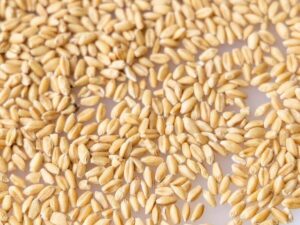

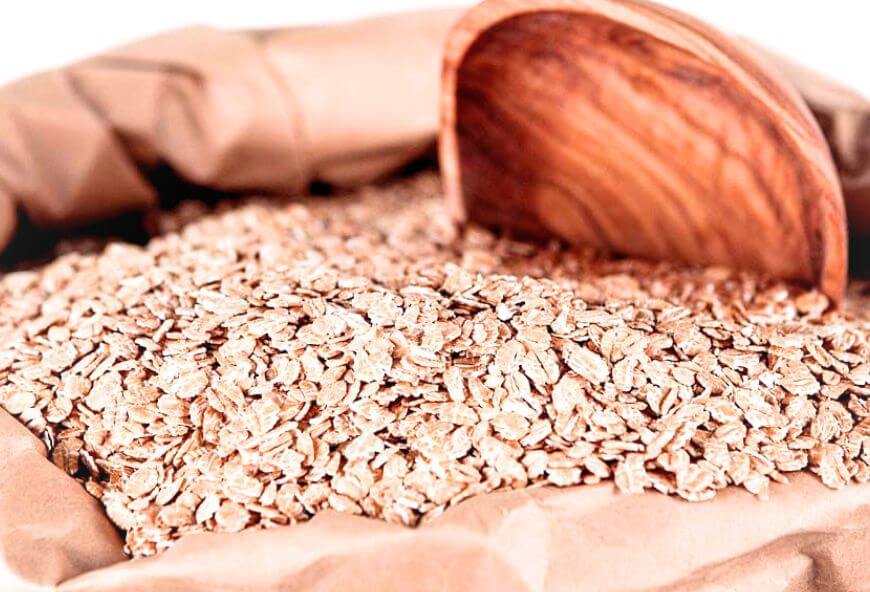
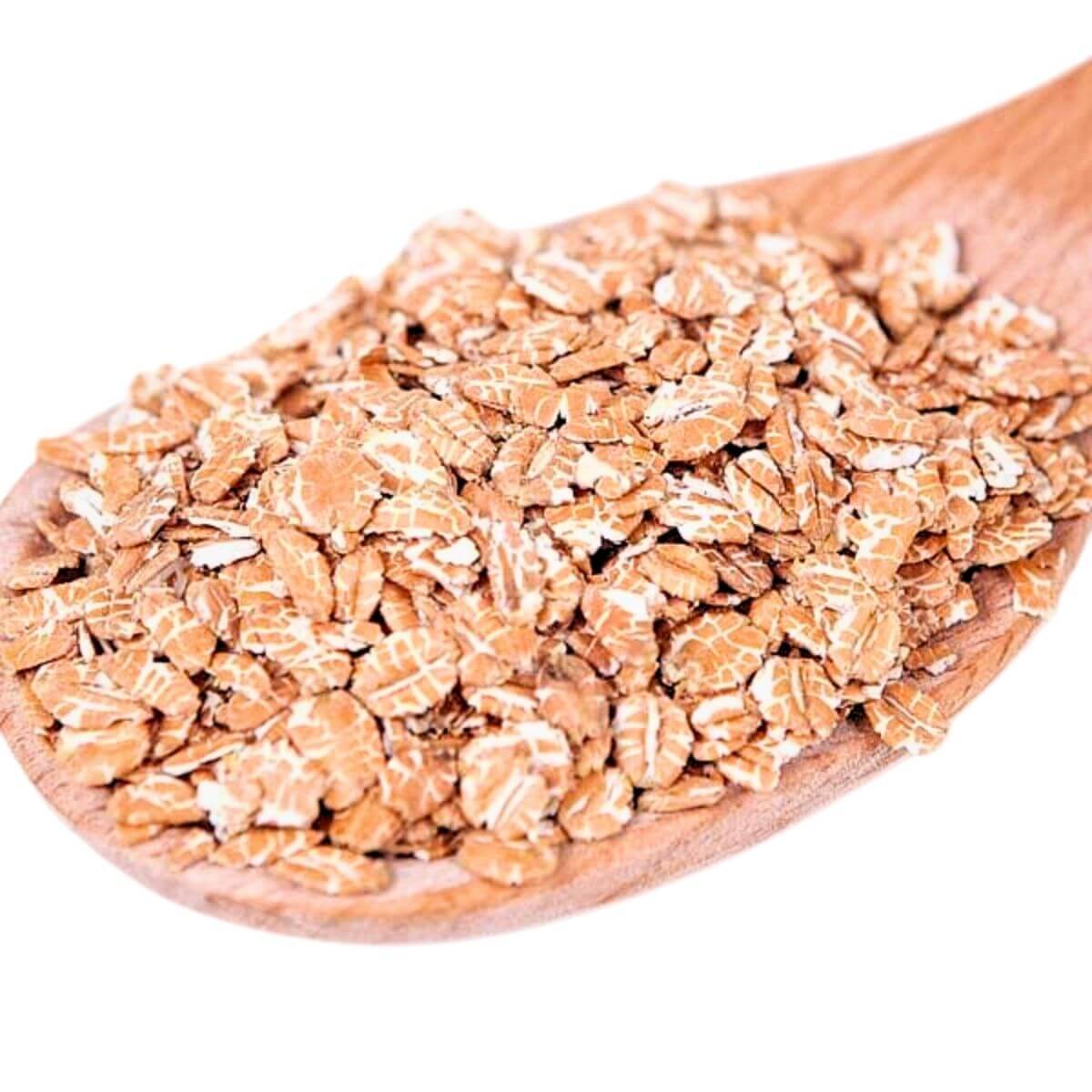
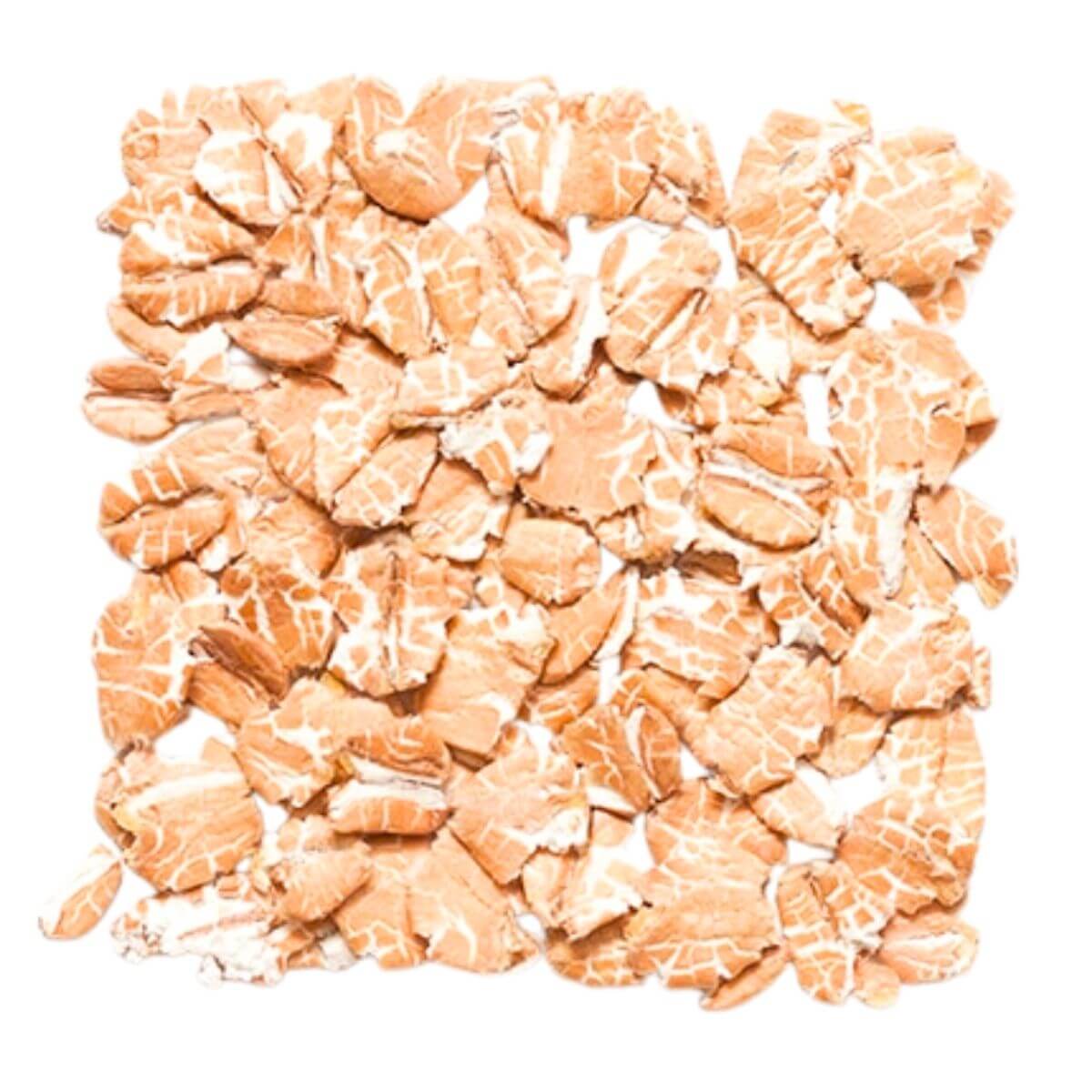
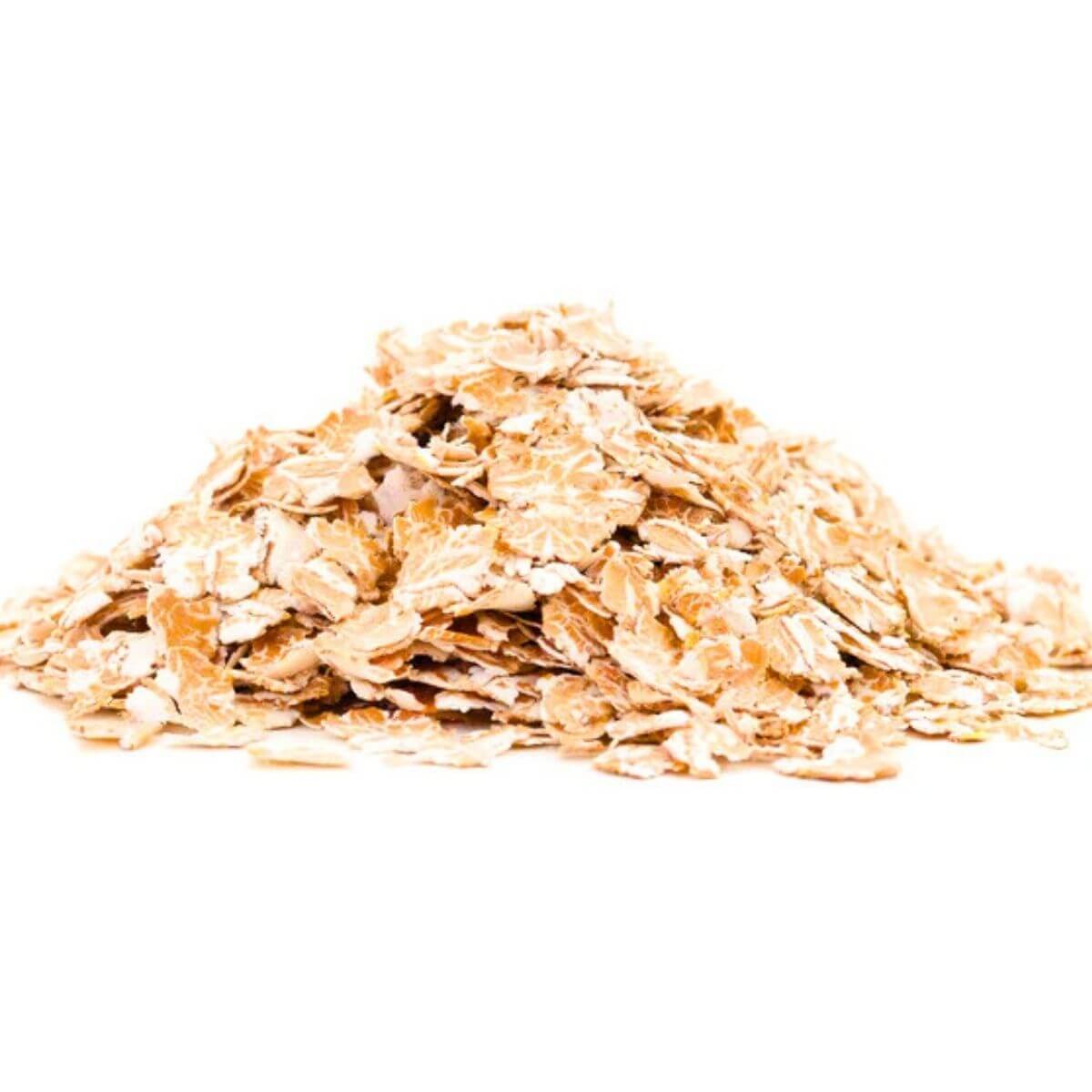
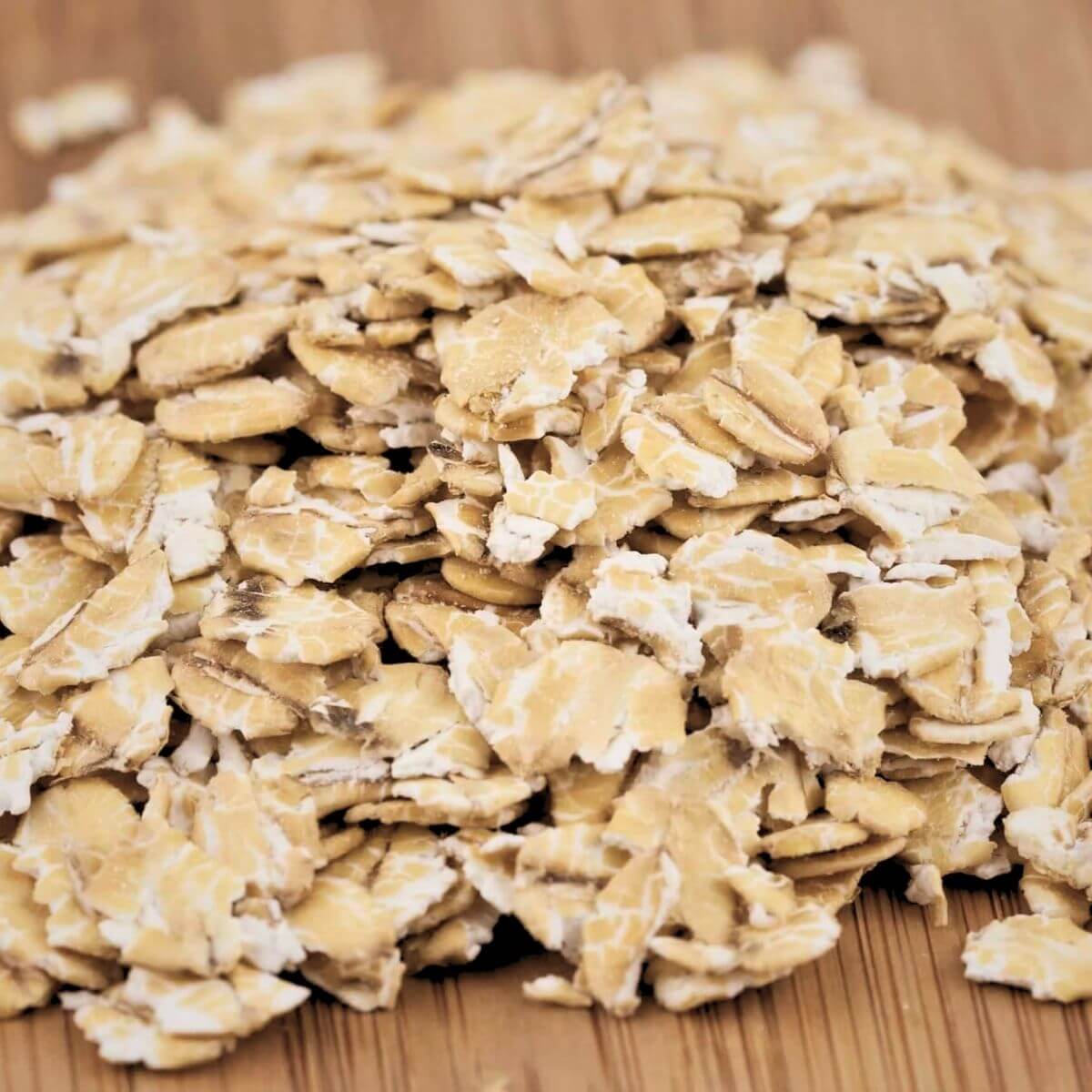
Red wheat flakes for breakfast cereals, multigrain bread, and bakery blends. Rolled from hard red wheat. Uniform thickness, moisture below 12%, 12-month shelf life. 50lb bags or custom packaging. FOB/CFR/CIF terms. Brazil produces 200,000-300,000 MT annually. Inherently non-GMO. 10-20% lower cost than U.S., Canadian, and Australian origins. Consistent flake thickness for industrial food manufacturing. Full phytosanitary certification.
| Parameter | Specification |
|---|---|
| Product | Red Wheat Flakes |
| Processing | Rolled & Flaked |
| Moisture | Below 12% |
| Shelf Life | 12 months |
| Appearance | Uniform flat flakes |
| Packaging | 50lb bags / Custom |
| Terms | FOB / CFR / CIF |
| Origin | Southern Brazil |
SAI AGRO BRAZIL is a Brazilian exporter of red wheat flakes, supplying breakfast cereal manufacturers, commercial bakeries, granola bar producers, and private label distributors worldwide. Our red wheat flakes are produced from premium hard red wheat grown in southern Brazil (Parana, Rio Grande do Sul, Santa Catarina) through conditioning, steaming, and rolling processes. Uniform flat flakes with moisture below 12%, protein 11-14%, and 12-month shelf life. Inherently non-GMO (Brazil does not grow genetically modified wheat). Brazil produces 200,000-300,000 metric tons of rolled wheat flakes annually (ABIMILL). Shipment terms include FOB, CFR, and CIF from Santos, Paranagua, and Rio Grande ports with standard 50lb bulk bags or custom packaging. All shipments include MAPA phytosanitary certification and certificate of origin.
Red wheat flakes are whole grain wheat kernels that have been conditioned, steamed, and rolled into flat flakes. The production process starts with hard red wheat from southern Brazil (Parana, Rio Grande do Sul, Santa Catarina), which is cleaned to remove foreign material, conditioned by adding moisture to optimal levels, steamed to gelatinize the starch slightly, and passed through roller mills to create uniform flat flakes. The flaking process stabilizes the grain for extended shelf life (12 months) while preserving the nutritional value of whole grain hard red wheat, including high protein content, dietary fiber, and essential B vitamins.
Brazil produces approximately 200,000-300,000 metric tons of rolled wheat flakes annually (2025 estimate, ABIMILL), with production concentrated in Parana and Rio Grande do Sul. The uniform flake thickness ensures consistent texture and performance in industrial food manufacturing, where specification compliance is critical for high-volume production environments. SAI AGRO BRAZIL supplies red wheat flakes from verified processors in southern Brazil, with every shipment including phytosanitary certification and certificate of origin.
Red wheat flakes differ from other wheat products in three key ways. First, processing: wheat flakes are produced by steaming and rolling whole wheat kernels into flat flakes, while cracked wheat (bulgur) is produced by cracking wheat kernels into coarse particles, and wheat bran is the outer layer separated during flour milling. Second, applications: wheat flakes are used primarily in breakfast cereals, multigrain bread, and granola bars where flat, uniform flakes provide texture and visual appeal, while cracked wheat is used in pilafs and side dishes, and wheat bran is used as a fiber supplement. Third, cooking time: wheat flakes require minimal cooking (5-10 minutes) or can be eaten without cooking, while cracked wheat requires 10-20 minutes cooking time.
Wheat flakes retain more of the whole grain structure compared to wheat flour, preserving the bran, germ, and endosperm for full nutritional value. The steaming and rolling process partially pre-cooks the starch, reducing preparation time for end users. Wheat flakes have a lower moisture content (below 12%) compared to whole wheat kernels (13-14% moisture), which contributes to their extended 12-month shelf life. The uniform thickness of wheat flakes ensures consistent hydration and cooking performance in industrial food manufacturing applications.
Brazilian red wheat flakes offer three competitive advantages for international buyers. First, raw material quality: southern Brazil’s climate and soil conditions (Parana, Rio Grande do Sul, Santa Catarina) yield hard red wheat with strong protein content and excellent flaking characteristics. The wheat kernels have the right hardness and moisture content for producing uniform, durable flakes that maintain their integrity during processing, packaging, and end-use applications. Second, non-GMO status: Brazil’s wheat production does not use genetically modified wheat varieties, making all Brazilian wheat flakes inherently non-GMO, which is valuable for health food and clean-label products.
Third, competitive pricing: Brazilian red wheat flakes typically cost 10-20% less than equivalent rolled wheat flakes from the United States, Canada, or Australia, due to lower production costs and favorable exchange rates. Brazilian wheat production has expanded significantly in recent years, creating reliable supply capacity for export buyers. Sourcing from SAI AGRO BRAZIL gives buyers direct access to competitively priced red wheat flakes with full export documentation. We consolidate supply from verified producers, manage quality control, and handle all export logistics, reducing procurement complexity for international buyers while maintaining product consistency and supply reliability across contract periods.
| Parameter | Specification | Test Method |
|---|---|---|
| Product Type | Red Wheat Flakes from Hard Red Wheat | Visual inspection |
| Botanical Source | Triticum aestivum (hard red wheat) | Taxonomic classification |
| Processing Method | Conditioned, steamed, rolled and flaked | N/A |
| Appearance | Uniform flat flakes, light brown to reddish-brown color | Visual inspection |
| Thickness | Consistent uniform thickness for processing uniformity | Caliper measurement |
| Moisture Content | Below 12 percent for shelf stability | Moisture meter (ICC 110/1) |
| Protein Content | 11% to 14% (dry basis) | Kjeldahl or Dumas method (ICC 105/2) |
| Foreign Matter | Max 1% | Sieve analysis |
| GMO Status | Non-GMO | PCR testing (ISO 21569) |
| Shelf Life | 12 months from production date | Storage stability testing |
| Storage Conditions | Cool, dry place away from direct sunlight | N/A |
| Packaging | Bulk bag 50lbs or custom packaging on request | N/A |
| Minimum Order Quantity | Contractual, based on shipment volume | N/A |
| Shipping Terms | FOB, CFR, CIF | Incoterms 2020 |
| Certifications | Phytosanitary Certificate, Certificate of Origin | N/A |
| Origin | Southern Brazil (Parana, Rio Grande do Sul, Santa Catarina) | Certificate of Origin |
Test methods follow ICC (International Association for Cereal Science and Technology) official methods. Independent inspection agencies (SGS, Bureau Veritas, Cotecna) verify all parameters at the port of loading before shipment. Caliper measurement confirms uniform flake thickness for consistent processing performance.
Every shipment of red wheat flakes from SAI AGRO BRAZIL includes a phytosanitary certificate issued by MAPA (Brazilian Ministry of Agriculture), confirming the product meets international plant health standards. We also provide a certificate of origin for customs clearance and trade compliance in the destination country. Additional documents typically include commercial invoice, packing list, bill of lading, and any other documentation required by the destination country.
Our quality control process covers incoming grain inspection, processing parameters monitoring, and finished product testing before packaging. We verify moisture content, flake uniformity, and absence of contaminants at multiple stages. Buyers receive inspection reports and certificates with each shipment for full documentation and regulatory compliance. Additional documents such as fumigation certificates, laboratory analysis reports, and non-GMO verification certificates are available upon request based on destination country requirements.
Brazilian red wheat flakes serve seven primary applications in the food manufacturing industry. Breakfast cereal manufacturing uses wheat flakes for hot cereals, cold cereal blends, and ready-to-eat breakfast products. The uniform flake size provides consistent texture and cooking performance. Multigrain bread and bakery product formulations use wheat flakes to add whole grain texture, nutritional value, and visual appeal to bread, rolls, and specialty baked goods. Bakery blends and premix production for commercial bakeries incorporates wheat flakes into multigrain mixes and specialty bread formulations.
Processed grain applications use wheat flakes in granola bars, snack products, and energy bars where flat flakes provide binding and texture. Trail mix and dried fruit blend formulations include wheat flakes for added crunch and whole grain content. Animal feed supplement and specialty feed production uses wheat flakes as an energy source in livestock and pet food formulations. Repackaging and private label distribution allows buyers to repackage wheat flakes under their own brand for retail and foodservice channels. Each application requires specific flake thickness, moisture content, and uniformity, which Brazilian red wheat flakes consistently deliver.
Our primary buyer segments for red wheat flakes include: (1) Breakfast cereal manufacturers producing hot cereals, cold cereal blends, and granola products, with monthly requirements of 100-1,000 metric tons; (2) Commercial bakeries producing multigrain bread, specialty rolls, and whole grain baked goods, with monthly requirements of 50-500 metric tons; (3) Granola bar and snack manufacturers creating energy bars, protein bars, and trail mix products, with quarterly requirements of 100-1,000 metric tons; (4) Bakery premix producers creating multigrain bread mixes and specialty blends, with monthly requirements of 50-500 metric tons; (5) Private label distributors repackaging wheat flakes for retail and foodservice channels, with quarterly requirements of 100-1,000 metric tons; (6) Health food manufacturers creating whole grain and organic food products, with monthly requirements of 50-500 metric tons.
SAI AGRO BRAZIL serves buyers across Asia (Japan, South Korea, Taiwan, Hong Kong, Singapore), Europe (Germany, Netherlands, France, UK, Italy, Spain), North America (United States, Canada, Mexico), Middle East (Turkey, UAE, Saudi Arabia), Africa (South Africa, Kenya, Nigeria), and Oceania (Australia, New Zealand). Pricing is quoted per metric ton and varies based on order size, shipping terms, packaging specifications, and current market conditions. We provide formal quotations valid for a specified period, and pricing can be locked for contract periods to support buyer planning. Contact our sales team with your requirements for a current quotation tailored to your order specifications.
SAI AGRO BRAZIL packages red wheat flakes in bulk bags of 50lbs as standard, with custom packaging options available based on buyer requirements. All packaging is food-grade, moisture-resistant, and designed to maintain product integrity during international transit. We label every unit with product identification, lot number, production date, and net weight for traceability. Custom packaging solutions include different bag sizes (25lb, 50lb, 100lb), private labeling with buyer branding, and specialized packaging for specific market requirements.
We ship under FOB, CFR, and CIF terms from major Brazilian ports including Santos (Sao Paulo state), Paranagua (Parana state), and Rio Grande (Rio Grande do Sul state). Our logistics team coordinates container loading, documentation, and freight forwarding to ensure timely delivery. Standard lead time is confirmed at order placement based on current production schedule and shipping availability. We provide full shipment tracking and status updates throughout transit. Average port turnaround time: 7-10 days at Santos, 5-7 days at Paranagua, 4-6 days at Rio Grande (2025 ANTAQ data).
| Destination Region | Transit Time (Days) | Primary Ports |
|---|---|---|
| East Asia (Tokyo, Seoul, Taipei) | 25-32 days | Santos, Paranagua |
| China (Shanghai, Qingdao, Guangzhou) | 28-35 days | Santos, Paranagua |
| Southeast Asia (Singapore, Jakarta, Manila) | 30-38 days | Santos, Paranagua |
| Europe (Rotterdam, Hamburg, Antwerp) | 18-25 days | Santos, Paranagua |
| North America (New York, Los Angeles, Vancouver) | 20-28 days | Santos, Paranagua |
| Middle East (Jebel Ali, Jeddah, Istanbul) | 22-30 days | Santos, Paranagua |
| Oceania (Sydney, Auckland) | 30-38 days | Santos, Paranagua |
| Mexico (Manzanillo, Veracruz) | 20-28 days | Santos, Paranagua |
| Colombia (Buenaventura, Cartagena) | 15-22 days | Santos, Paranagua |
Transit times based on 2025 shipping data from major Brazilian ports. Actual transit times vary based on vessel speed, weather conditions, and port congestion. Total lead time from order confirmation to vessel departure includes 10-20 days for quality testing, documentation preparation, and container loading. The 12-month shelf life provides flexibility for inventory management and production planning. Proper storage in original packaging or sealed containers prevents moisture absorption and maintains flake integrity throughout the shelf life period.
Red wheat flakes are whole grain wheat kernels that have been conditioned, steamed, and rolled into flat flakes. The process starts with hard red wheat, which is cleaned and tempered to optimal moisture, then passed through roller mills to create uniform flakes. The flaking process gelatinizes the starch slightly, stabilizing the grain for extended shelf life while preserving nutritional value. The result is a shelf-stable, ready-to-use ingredient for food manufacturing.
Red wheat flakes from SAI AGRO BRAZIL have a shelf life of 12 months from the production date when stored properly. Storage conditions require a cool, dry environment away from direct sunlight and moisture sources. The flaked form has lower moisture content than raw wheat, which contributes to shelf stability. Proper storage in original packaging or sealed containers prevents moisture absorption and maintains flake integrity throughout the shelf life period.
Standard packaging for red wheat flakes is 50lb bulk bags designed for food-grade shipping and handling. We also offer custom packaging solutions based on buyer specifications, including different bag sizes, private labeling, and specialized packaging for specific market requirements. All packaging materials meet food safety standards and are selected to protect product quality during international ocean freight transit. Custom packaging requests are confirmed at the quotation stage.
Every shipment includes a phytosanitary certificate issued by Brazilian agricultural authorities, confirming the product meets international plant health import requirements. We also provide a certificate of origin for customs clearance and trade preference claims. Additional documents typically include commercial invoice, packing list, bill of lading, and any other documentation required by the destination country. Buyers should confirm specific document requirements before order confirmation to ensure full compliance.
We offer FOB, CFR, and CIF shipping terms from major Brazilian export ports. FOB means the buyer arranges and pays for ocean freight from the Brazilian port. CFR means we cover freight costs to the destination port, while CIF includes freight and marine insurance. Our logistics team manages container booking, loading supervision, export customs clearance, and documentation. We provide shipment tracking and regular status updates from departure to arrival at the destination port.
Minimum order quantity for red wheat flakes is contractual and depends on shipment volume, packaging requirements, and destination. Pricing is quoted per metric ton and varies based on order size, shipping terms, packaging specifications, and current market conditions. We provide formal quotations valid for a specified period, and pricing can be locked for contract periods to support buyer planning. Contact our sales team with your requirements for a current quotation tailored to your order specifications.
Wheat flakes are produced by steaming and rolling whole wheat kernels into flat flakes, while cracked wheat (bulgur) is produced by cracking wheat kernels into coarse particles, and wheat bran is the outer layer separated during flour milling. Wheat flakes are used primarily in breakfast cereals, multigrain bread, and granola bars, while cracked wheat is used in pilafs and side dishes, and wheat bran is used as a fiber supplement. Wheat flakes require minimal cooking (5-10 minutes) or can be eaten without cooking, while cracked wheat requires 10-20 minutes cooking time.
Brazilian red wheat flakes typically cost 10-20% less than equivalent rolled wheat flakes from the United States, Canada, or Australia, due to lower production costs and favorable exchange rates. Brazilian wheat production has expanded significantly in recent years, creating reliable supply capacity for export buyers. Payment terms include Letter of Credit (L/C) at sight for new buyers and open account terms for established buyers with credit history. Contact our sales team with your requirements for a current quotation and pricing structure.
Get pricing, lead time, and shipping options for your bulk order. Our team responds within one business day
SAI AGRO BRAZIL
Share your volume, destination and trade preference. Our commercial desk will review your requirement and reply within 24-48 hours
WhatsApp Us
Adding {{itemName}} to cart
Added {{itemName}} to cart