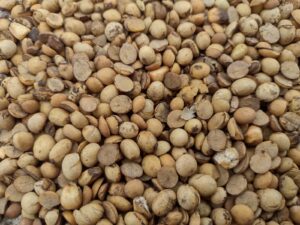
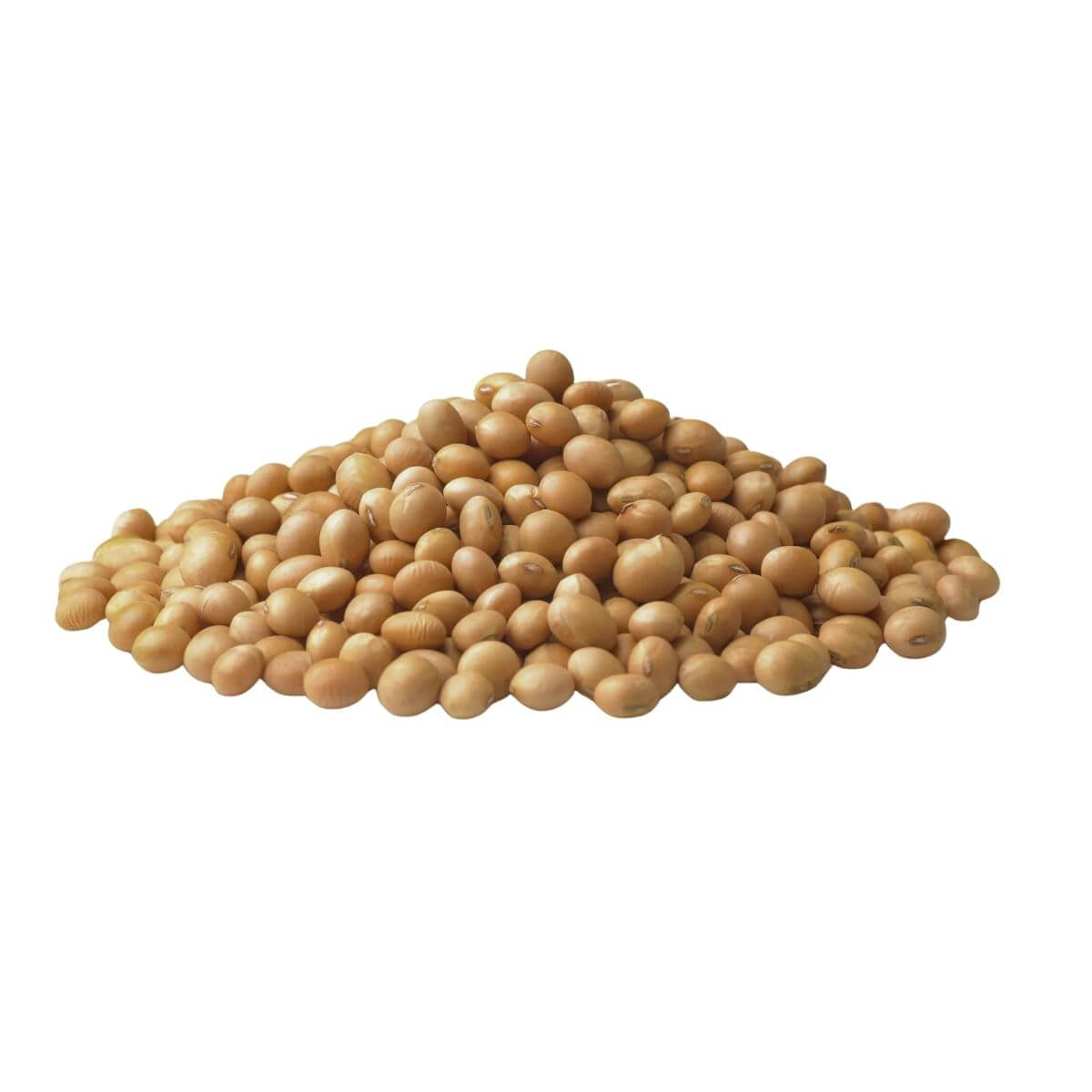
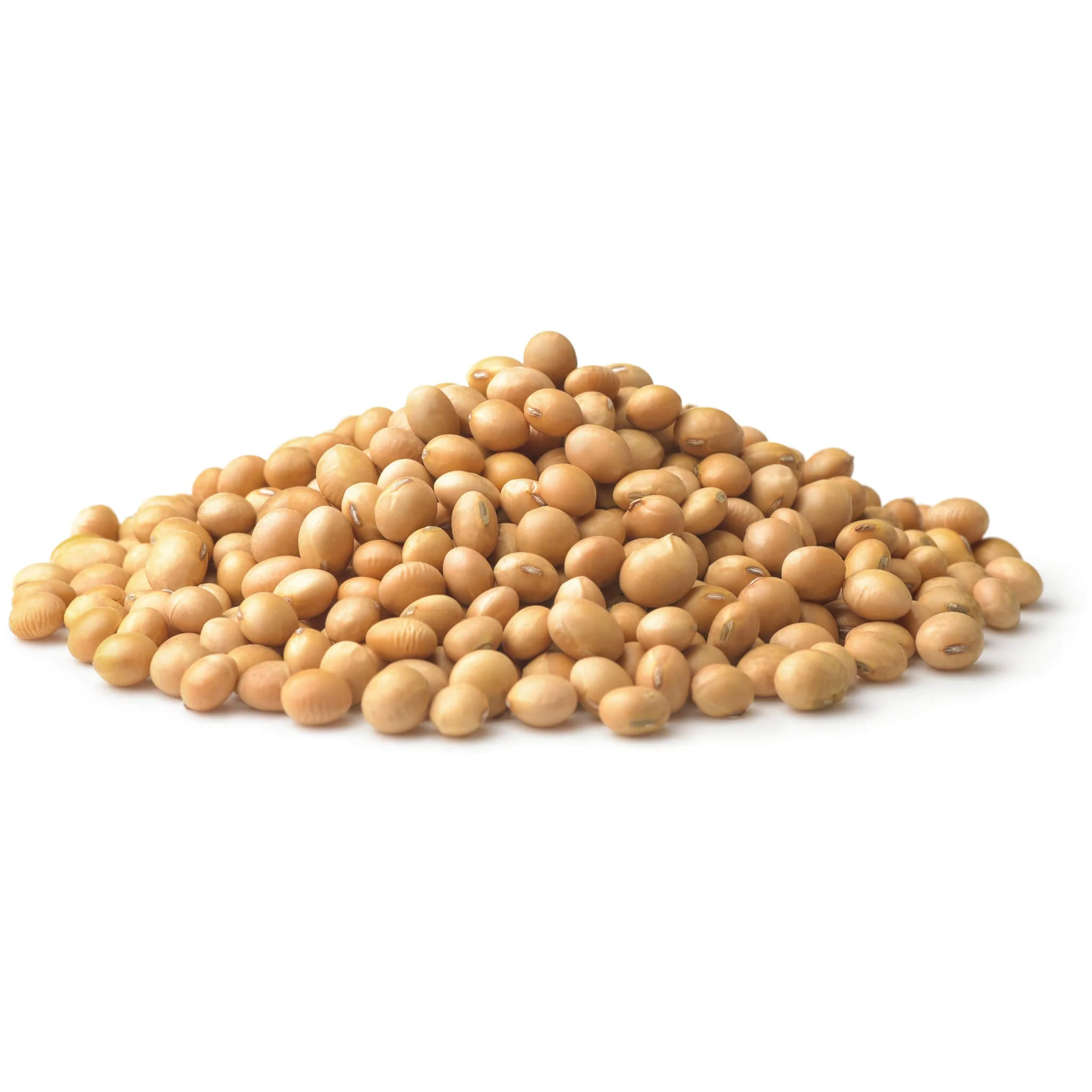
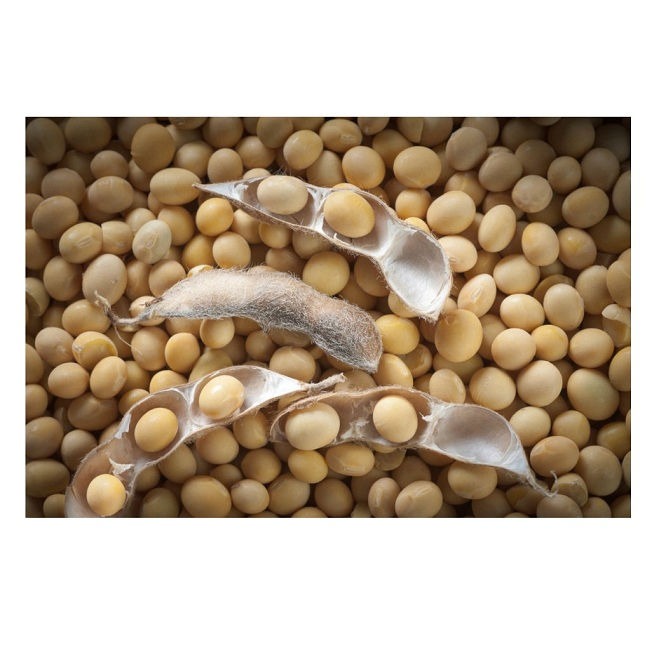
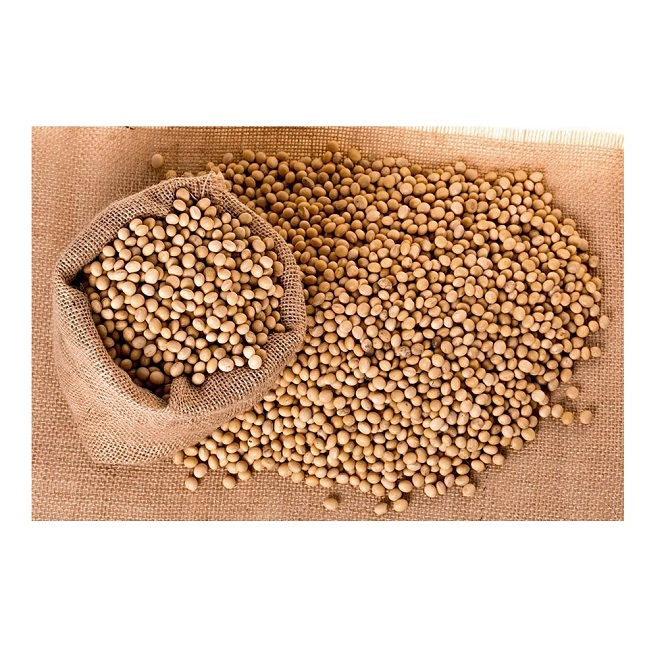
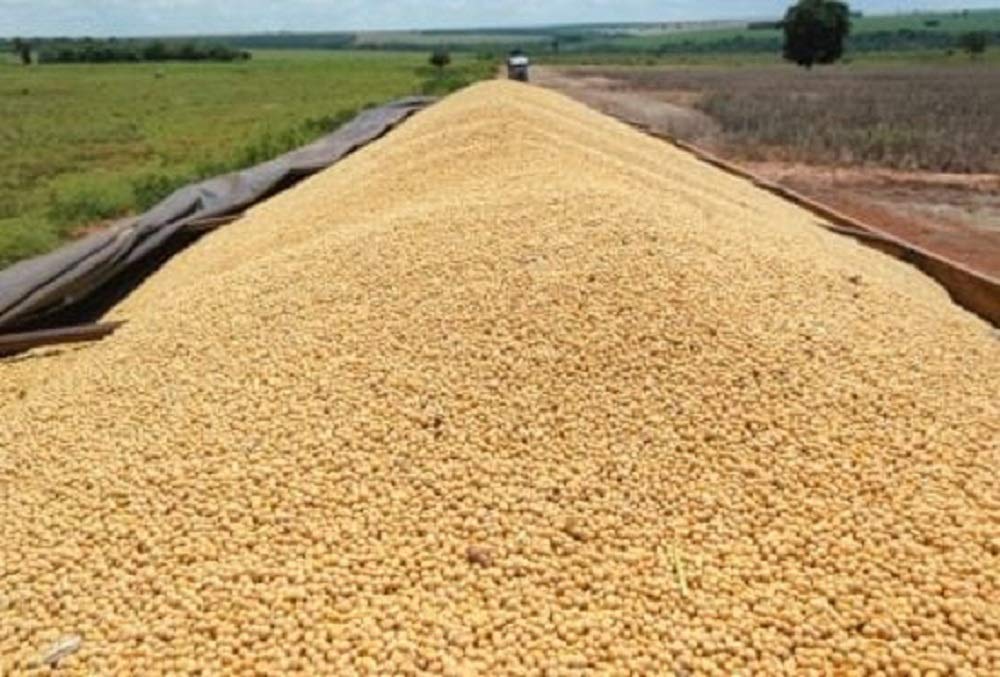
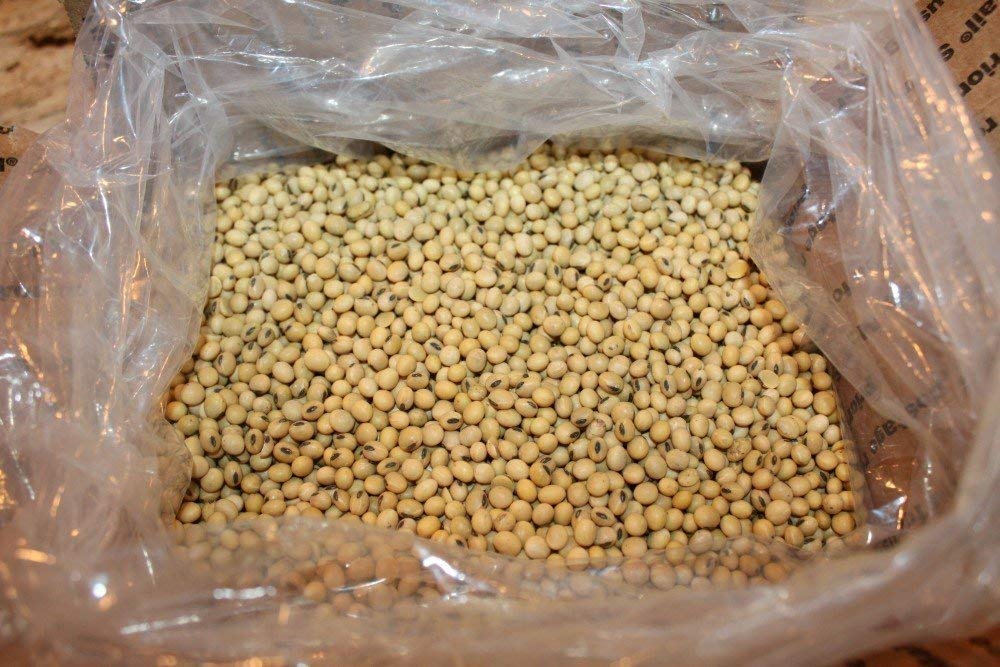
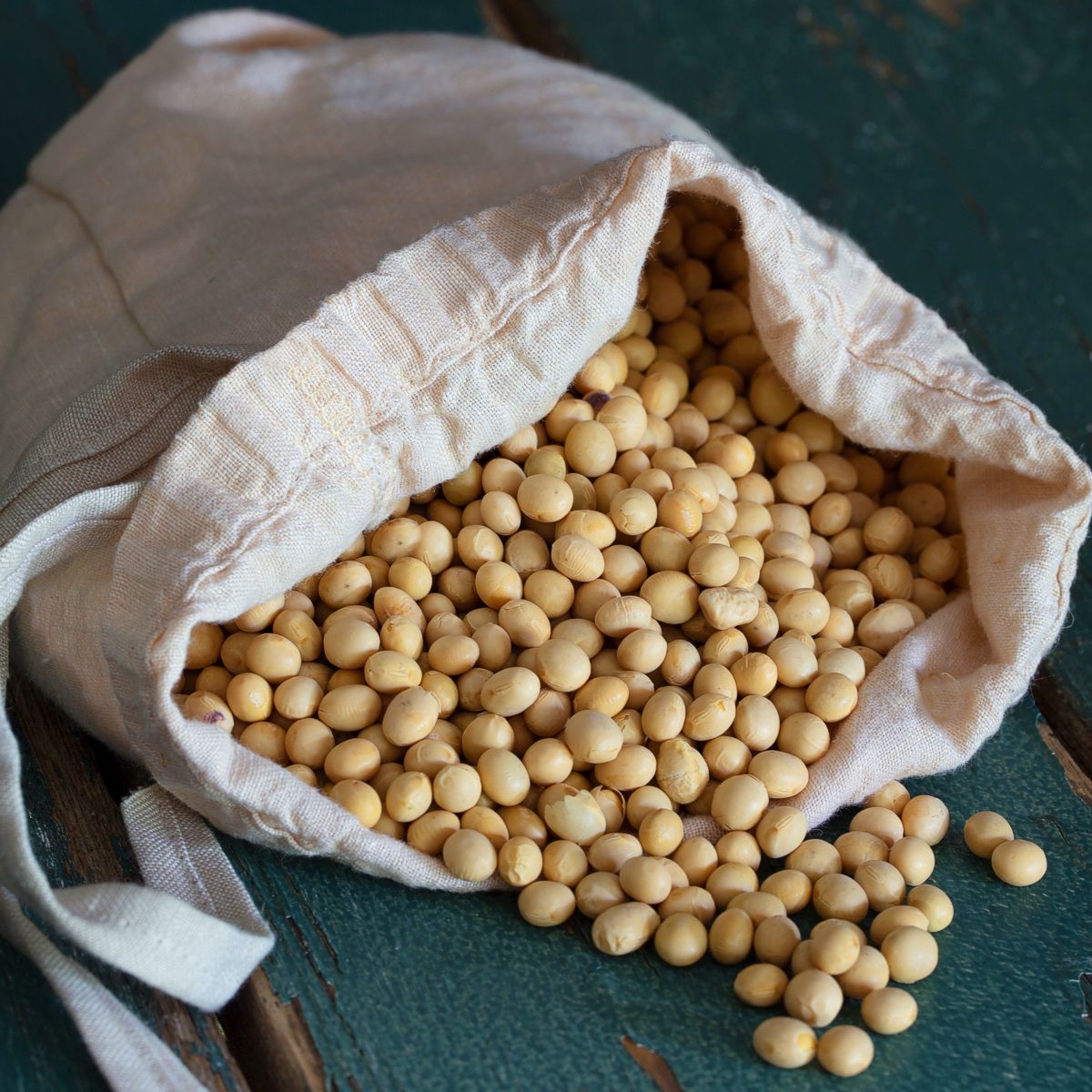
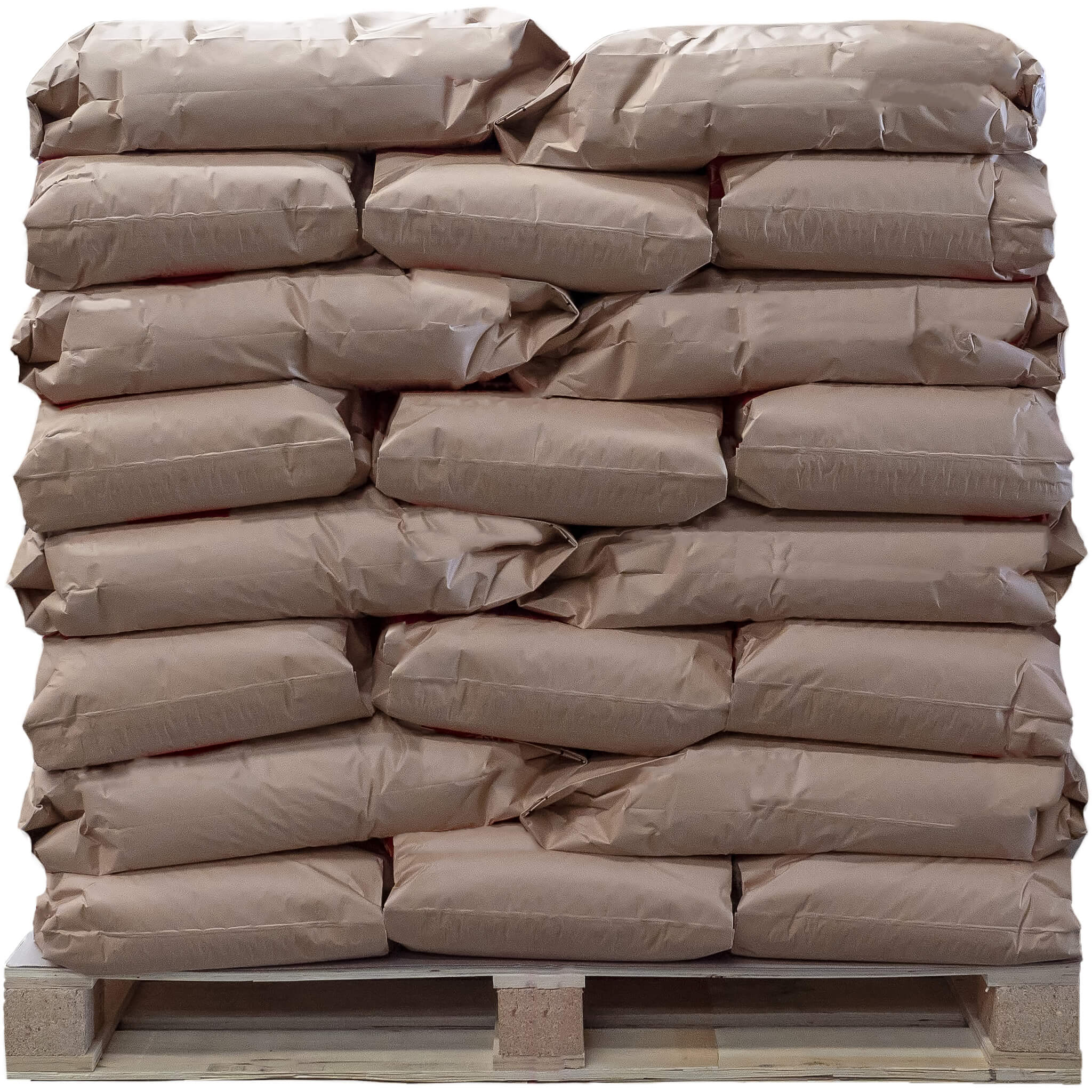
Certified organic non-GMO soybeans from Brazil for soymilk, tofu, and health food manufacturers. Grown without synthetic pesticides on IFOAM-certified farms. Protein 36-38%, natural dried, 24-month shelf life. 25kg bags or bulk. FOB/CFR/CIF terms. Recognized by EU, USDA NOP, and JAS standards. Counter-seasonal harvest October-January fills Northern Hemisphere supply gaps. 10-20% lower cost than U.S. and EU organic origins. Full transaction certificate traceability.
| Specification | Details |
|---|---|
| Type | Organic, Non-GMO |
| Processing | Natural/Dried |
| Shelf Life | 24 months |
| Packaging | 25kg Bags or Bulk |
| MOQ | Contractual |
| Terms | FOB / CFR / CIF |
| Origin | Brazil |
| Certification | Organic |
SAI AGRO BRAZIL is a Brazilian exporter of certified organic non-GMO soybeans, supplying soymilk manufacturers, tofu producers, health food companies, and organic ingredient distributors worldwide. Brazil produces 500,000+ metric tons of organic soybeans annually (FiBL/IFOAM 2025 estimate), with production concentrated in Parana (40%), Rio Grande do Sul (30%), and Mato Grosso (20%). Our organic soybeans deliver protein content 36-38% typical, natural dried processing, and 24-month shelf life. IFOAM-accredited certification recognized by EU EC 834/2007, USDA NOP, and JAS. Shipment terms include FOB, CFR, and CIF from Santos, Paranagua, and Rio Grande ports with MOQ contractual (typically 25-27 MT per container). All shipments include organic transaction certificates, MAPA phytosanitary certification, and non-GMO PCR testing documentation from SGS, Bureau Veritas, or Cotecna.
Brazilian organic soybeans are non-GMO soybeans grown without synthetic pesticides, herbicides, or fertilizers on certified organic farms. Brazil’s organic soybean production is concentrated in three primary regions: Parana state (40% of organic acreage), Rio Grande do Sul (30%), and Mato Grosso (20%), with remaining production in Goias, Santa Catarina, and Bahia. These southern states benefit from subtropical climates with natural pest resistance, reducing the need for interventions even within organic protocols.
Organic certification in Brazil follows IFOAM (International Federation of Organic Agriculture Movements) standards, with certification bodies accredited by INMETRO (National Institute of Metrology, Quality and Technology) and recognized by the European Union (EC 834/2007), United States Department of Agriculture National Organic Program (USDA NOP), and Japanese Agricultural Standard (JAS). SAI AGRO BRAZIL sources organic soybeans from farms certified by accredited bodies including Ecocert, Control Union, and IMO.
Brazil’s organic soybean sector has expanded significantly, with dedicated organic farming areas growing 15% year-over-year since 2020. Unlike conventional soybeans (where GMO varieties account for 97% of production), organic soybeans are 100% non-GMO and grown under strict protocols prohibiting synthetic inputs. Brazilian organic soybeans benefit from counter-seasonal harvest timing (October-January), providing supply when Northern Hemisphere organic soybeans from the United States, Canada, and European Union are either not yet harvested or already committed to forward contracts.
Brazilian organic soybeans typically deliver protein content of 36-38% on a dry basis, comparable to organic soybeans from the U.S. Midwest and higher than European organic origin. The natural drying process used in Brazilian organic production preserves nutritional quality without chemical treatments, resulting in a 24-month shelf life when stored properly. Price premium for Brazilian organic soybeans typically ranges 20-35% above conventional GMO soybeans, depending on protein content, certification requirements, and shipment volume.
Brazilian organic soybeans offer three competitive advantages for international buyers. First, counter-seasonal availability: Brazilian organic soybeans harvest during Northern Hemisphere winter (October-January), providing supply continuity when U.S., Canadian, and European organic soybeans are in short supply. Second, competitive pricing: Brazilian organic soybeans typically cost 10-20% less than equivalent organic soybeans from the United States or European Union, due to lower production costs and favorable exchange rates. Third, certification recognition: Brazilian organic certification bodies are accredited by IFOAM and recognized by major organic markets including the EU, USDA NOP, and JAS, facilitating market access for buyers.
Brazil’s organic soybean supply chain includes verified farm sourcing, warehouse consolidation, quality testing, and export documentation handled by experienced professionals. SAI AGRO BRAZIL maintains relationships with certified organic farms across Parana, Rio Grande do Sul, and Mato Grosso, ensuring traceability from farm to port. Every shipment includes organic certification documentation, transaction certificates tracing the organic lot, and phytosanitary certificates from MAPA (Brazilian Ministry of Agriculture). Independent inspection agencies (SGS, Bureau Veritas, Cotecna) verify quality and organic integrity at the port of loading.
| Parameter | Specification | Test Method |
|---|---|---|
| Type | Organic, Non-GMO, Natural/Dried | Visual inspection, GMO testing |
| Protein Content | Industry Standard for Organic Grade (36-38% typical) | NIR analysis (AOCS Ba 0-02) |
| Moisture | Contractual (typically 12-13%) | Moisture meter (AOCS Ba 2-02) |
| Shelf Life | 24 months from production date | Storage stability testing |
| Packaging | 25kg Bags or Bulk | N/A |
| Minimum Order Quantity | Contractual (typically 25-27 MT per container) | N/A |
| Certification | Organic certification documentation provided | IFOAM-accredited certifier |
| Shipment Terms | FOB, CFR, CIF | Incoterms 2020 |
| Origin | Brazil (Parana, Rio Grande do Sul, Mato Grosso) | Certificate of Origin |
| GMO Status | Non-GMO, Identity Preserved | PCR testing (AOCS ak-01) |
Test methods follow AOCS (American Oil Chemists’ Society) official methods. Organic certification documentation confirms compliance with IFOAM standards and destination market requirements (EU EC 834/2007, USDA NOP, JAS). Non-GMO status verified through PCR testing by independent laboratories.
Every shipment of Brazilian organic soybeans includes comprehensive documentation. The organic certificate, issued by IFOAM-accredited certification bodies (Ecocert, Control Union, IMO), confirms the soybeans were grown on certified organic farms following strict protocols prohibiting synthetic pesticides, herbicides, and fertilizers. The transaction certificate traces the organic lot from certified farm through processing facilities to final shipment, maintaining chain of custody documentation required by most international organic regulations.
Additional documentation includes phytosanitary certificate from MAPA (Brazilian Ministry of Agriculture) confirming the shipment meets destination country plant health requirements, certificate of origin from the Brazilian Chamber of Commerce establishing Brazilian source for customs clearance, and quality/weight certificate from independent inspection agencies (SGS, Bureau Veritas, Cotecna) verifying shipment specifications. Non-GMO identity preserved documentation confirms traceability from certified organic farms with PCR testing verifying absence of GMO traits. Buyers should specify certification requirements during quotation to ensure documentation meets destination market organic standards.
Brazilian organic soybeans serve the growing demand for natural and organic food products worldwide. Food processors use these beans to manufacture soymilk, a popular dairy alternative consumed by lactose-intolerant individuals and plant-based diet followers. Tofu production relies on organic soybeans to create clean-label products appealing to health-conscious consumers. Tempeh, a fermented soy product gaining popularity as a protein source, requires high-quality organic beans for proper fermentation and flavor development.
Organic manufacturing facilities incorporate these soybeans into health food products including protein bars, organic snacks, and nutritional supplements. The beans are processed into organic soy flour for baking applications and organic textured vegetable protein for meat alternatives. Health food retailers stock organic soybeans directly for consumers preparing traditional soy foods at home. Organic ingredient distributors supply the beans to restaurants, cafes, and food service operations committed to organic sourcing. The non-GMO status and organic certification make these beans suitable for products carrying organic labels in international markets including the European Union, United States, Canada, Japan, and Australia.
Our primary buyer segments for organic soybeans include: (1) Soymilk manufacturers producing dairy alternatives for retail and foodservice channels; (2) Tofu and tempeh producers supplying Asian food markets, vegetarian product lines, and plant-based meal kits; (3) Health food manufacturers creating protein bars, organic snacks, and nutritional supplements; (4) Organic soy flour processors serving baking applications requiring organic ingredients; (5) Organic ingredient distributors supplying restaurants, cafes, and food service operations; (6) Health food retailers stocking organic soybeans for consumer purchase.
Typical buyer profiles: soymilk manufacturers with annual soybean requirements of 500-5,000 metric tons; tofu producers with monthly requirements of 50-500 metric tons; health food manufacturers with quarterly requirements of 100-1,000 metric tons; organic ingredient distributors with annual requirements of 200-2,000 metric tons. SAI AGRO BRAZIL serves buyers across Europe (Germany, Netherlands, France, UK, Italy), North America (United States, Canada), Asia (Japan, South Korea, Taiwan, Hong Kong), and Oceania (Australia, New Zealand). Pricing typically ranges 20-35% above conventional GMO soybeans, depending on protein content, certification requirements, and shipment volume.
Organic soybeans are shipped in two packaging formats: 25kg bags (woven polypropylene with food-grade inner liner) for smaller quantities and convenient handling, or bulk packaging (loose-fill in food-grade container liners) for large-scale operations requiring high-volume shipments. Both packaging methods maintain product integrity and protect against moisture and contamination during international transit. The 24-month shelf life provides flexibility for inventory management and production planning.
Shipment terms include FOB (Free On Board), CFR (Cost and Freight), and CIF (Cost, Insurance, and Freight) Incoterms 2020. Loading ports include Santos (Sao Paulo state), Paranagua (Parana state), and Rio Grande (Rio Grande do Sul state). Containerized shipments use 20-foot or 40-foot dry containers. Transit times vary by destination: Europe 18-25 days, North America 20-28 days, Asia 25-35 days, Oceania 30-38 days. Total lead time from order confirmation to vessel departure includes 7-14 days for quality testing, documentation preparation, and container loading. Organic integrity maintained through strict segregation protocols from farm through final shipment.
Organic integrity is maintained through strict segregation protocols from farm through final shipment. The soybeans are stored, processed, and transported in facilities that handle only organic products, preventing contamination or commingling with conventional or GMO soybeans. Documentation tracks the beans from certified organic farms through processing facilities to the export vessel. The organic certification chain of custody provides traceability at every stage.
Shipment containers are inspected and cleaned to meet organic handling standards. No synthetic fumigants or prohibited substances are applied to the grain at any point in the supply chain. The organic transaction certificate follows the lot, and buyers receive inspection reports and certificates with each shipment for full documentation and regulatory compliance. Buyers who require specific organic integrity assurances, such as residue testing for prohibited substances prior to shipment, can request these as part of their contract specifications. SAI AGRO BRAZIL works with certified organic grain handlers and port operators who follow documented organic handling procedures.
Brazilian organic soybeans are grown on certified organic farms that follow strict production protocols. The farms prohibit synthetic pesticides, herbicides, and fertilizers throughout the growing cycle. Organic certification bodies accredited by IFOAM (International Federation of Organic Agriculture Movements) oversee the farms and verify compliance with organic standards. The certification documentation provided with shipments confirms the organic status and allows buyers to use the beans in products carrying organic labels. The non-GMO status is maintained through segregation protocols that prevent commingling with conventional or genetically modified soybeans from farm through export.
The minimum order quantity for organic soybeans is established contractually based on buyer requirements and shipment logistics. Unlike conventional commodities with fixed minimums, organic soybean orders are tailored to the specific needs of food processors and organic manufacturers. For containerized shipments, a standard 20-foot container holds approximately 25 to 27 metric tons of soybeans in bagged packaging. Buyers should contact our sales team to discuss their volume requirements, destination port, and delivery schedule. The contractual approach allows flexibility for both small-scale organic manufacturers and large food processing operations requiring regular shipments of certified organic raw materials.
Organic integrity is maintained through strict segregation protocols from farm through final shipment. The soybeans are stored, processed, and transported in facilities that handle only organic products, preventing contamination or commingling with conventional or GMO soybeans. Documentation tracks the beans from certified organic farms through processing facilities to the export vessel. The organic certification chain of custody provides traceability at every stage. Shipment containers are inspected and cleaned to meet organic handling standards. The organic certification documentation included with each shipment verifies the integrity of the supply chain for buyer verification and market compliance.
Organic soybeans serve multiple applications in the organic food sector. Soymilk manufacturers use the beans to produce dairy alternatives for lactose-intolerant consumers and plant-based diet followers. Tofu producers rely on organic soybeans for clean-label products appealing to health-conscious buyers. Tempeh and other fermented soy products require high-quality organic beans for proper fermentation. Health food manufacturers incorporate the beans into protein bars, organic snacks, and nutritional supplements. Organic soy flour production serves baking applications requiring organic ingredients. Textured vegetable protein made from organic beans supplies the growing plant-based meat alternative market. The organic status makes these beans suitable for any product carrying organic certification labels in international markets.
Organic soybeans have a shelf life of 24 months when stored properly. The natural drying process preserves the beans’ quality without chemical treatments that could compromise organic status. Proper storage conditions include cool, dry environments with protection from moisture and pests. The 24-month shelf life provides flexibility for inventory management and production planning. Moisture levels are controlled contractually to ensure optimal storage conditions throughout the shelf life period. Buyers should follow standard grain storage practices to maintain quality during the storage period. The extended shelf life allows manufacturers to secure supply contracts and manage production schedules without concern for rapid quality degradation.
Organic certification documentation is provided subject to contractual terms with each shipment. The documentation confirms the organic status of the soybeans and verifies compliance with organic production standards. The certificates identify the certified organic farms in Brazil where the soybeans were grown and the certification bodies overseeing the operations. The documentation allows buyers to verify organic claims for their markets and maintain compliance with organic labeling regulations. The specific certification documents provided depend on the contractual agreement and the destination market requirements. Buyers should discuss their certification needs during the quotation process to ensure the documentation meets their market’s organic standards and labeling requirements.
Brazilian organic soybeans typically cost 10-20% less than equivalent organic soybeans from the United States or European Union, due to lower production costs and favorable exchange rates. Price premium for Brazilian organic soybeans ranges 20-35% above conventional GMO soybeans, depending on protein content, certification requirements, and shipment volume. Pricing is quoted per metric ton in USD and varies based on order size, packaging choice, shipping terms, and current market conditions. SAI AGRO BRAZIL provides formal quotations valid for a specified period, and pricing can be structured for contract periods to support buyer planning. Contact our sales team with your specific requirements for a current quotation.
Brazilian organic soybeans are certified under the Brazilian organic regulation (Lei 10.831/2003) and, where applicable, under equivalent standards recognized by the European Union (EC 834/2007), the United States Department of Agriculture National Organic Program (USDA NOP), and the Japanese Agricultural Standard (JAS). Certification bodies operating in Brazil are accredited by IFOAM (International Federation of Organic Agriculture Movements) and INMETRO (National Institute of Metrology, Quality and Technology). When buyers place an order for organic soybeans through SAI AGRO BRAZIL, we confirm which organic standard applies to their market and ensure the soybeans are sourced from farms and handled through supply chains certified to that specific standard. Each shipment is accompanied by a Transaction Certificate that traces the organic lot from the certified farm to the buyer.
SAI AGRO BRAZIL
Share your volume, destination and trade preference. Our commercial desk will review your requirement and reply within 24-48 hours
WhatsApp Us
Adding {{itemName}} to cart
Added {{itemName}} to cart