

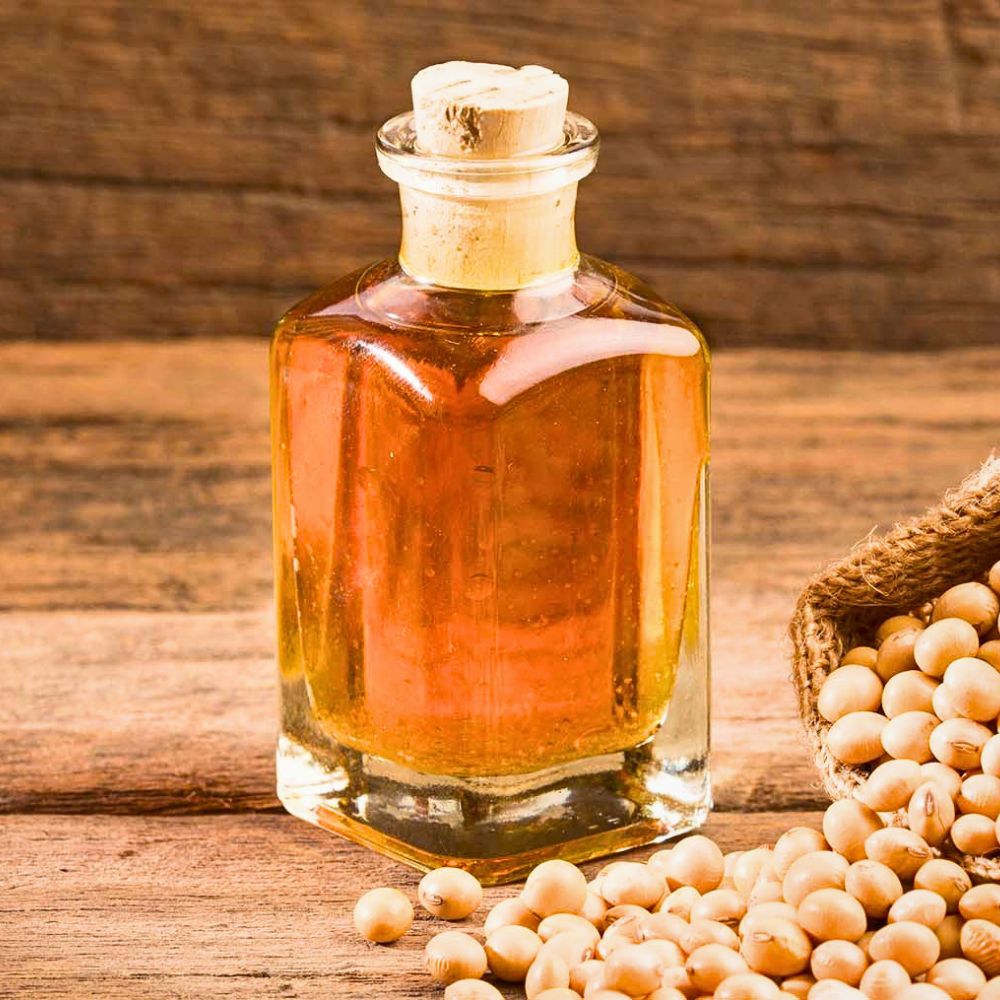
Bulk crude degummed soybean oil from Brazil for oil refiners, biodiesel producers, and industrial food manufacturers. Crude degummed quality suitable for further refining. Flexitank, ISO tank, and bulk vessel options. FOB/CFR/CIF. MOQ 20 MT.
| Parameter | Specification |
|---|---|
| Grade | Crude Degummed |
| FFA | 0.5% max |
| Moisture | 0.2% max |
| IV (Iodine Value) | 120–140 |
| MOQ | 20 MT |
| Terms | FOB / CFR / CIF |
| Origin | Brazil |
| Packaging | Flexitank, ISO tank, bulk vessel |
SAI AGRO BRAZIL sources and exports bulk crude degummed soybean oil from Brazil’s massive soybean processing industry to oil refiners, biodiesel producers, and industrial food manufacturers worldwide. Brazil is the world’s second-largest soybean producer (approximately 160 million MT annually) and largest soybean exporter, with crushing capacity concentrated in Mato Grosso, Paraná, Rio Grande do Sul, and Goiás states. Crude degummed soybean oil is the primary output of the first-stage crushing and degumming process, suitable for further refining into RBD soybean oil for edible use, or direct use in biodiesel production and oleochemical manufacturing. Our crude degummed soybean oil has consistent quality parameters: FFA below 0.5%, moisture below 0.2%, and iodine value 120-140. Brazilian soybean oil offers competitive pricing due to the scale of Brazil’s soybean industry, with year-round supply from continuous crushing operations. FOB/CFR/CIF terms from Santos, Paranaguá, and Rio Grande ports.
SAI AGRO BRAZIL supplies crude degummed soybean oil produced from the first-stage crushing and degumming of Brazilian soybeans (Glycine max). The degumming process uses water or phosphoric acid treatment to remove phospholipids (lecithin) from crude soybean oil, reducing phosphorus content below 5 ppm to meet refinery feedstock specifications. Crude degummed soybean oil is dark amber in color with a characteristic soybean odor and flavor. It is not suitable for direct food use — it requires further refining (neutralization, bleaching, deodorization) to produce RBD soybean oil for edible applications. The degummed oil is also used directly in biodiesel production via transesterification and in oleochemical manufacturing as feedstock for fatty acid distillation.
Brazil’s soybean production has grown from 50 million MT in 2000 to approximately 160 million MT in 2025, with crushing capacity expanding proportionally. Major crushing facilities are located in Mato Grosso (primary producing state), Paraná (traditional processing hub), Rio Grande do Sul, and Goiás. Brazil’s soybean harvest occurs February-May (main crop) with a smaller safrinha crop, but year-round crushing operations maintain continuous crude soybean oil supply from stored soybeans. This year-round availability, combined with multiple export ports and established logistics infrastructure, makes Brazil a reliable supplier for refiners and industrial users requiring consistent crude soybean oil supply.
| Parameter | Specification | Test Method |
|---|---|---|
| Product | Crude Degummed Soybean Oil | N/A |
| Grade | Crude Degummed | AOCS Cc 17-91 |
| Free Fatty Acid (FFA) | 0.5% max | AOCS Ca 5a-40 |
| Peroxide Value | 10 meq/kg max | AOCS Cd 8-53 |
| Moisture & Impurities | 0.2% max | AOCS Ca 2c-25 |
| Phosphorus | 5 ppm max (degummed) | AOCS Ca 12-21 |
| Iodine Value | 120-140 | AOCS Cd 1-25 |
| Color (Lovibond) | 7.0R max (5.25″ cell) | AOCS Cc 13b-92 |
| Packing | Flexitank (20 MT), ISO tank (22 MT), Bulk vessel (500+ MT) | N/A |
| MOQ | 20 Metric Tons | N/A |
| Shelf Life | 6 months from production date | Stored <30°C, dry conditions |
Brazilian crude degummed soybean oil serves three primary industrial sectors. Oil refining: Crude degummed soybean oil is the primary feedstock for RBD (Refined, Bleached, Deodorized) soybean oil production, the world’s most consumed vegetable oil for cooking, frying, and food manufacturing. Refiners purchase crude oil to process in their own refining facilities, controlling quality and packaging for local market distribution. Biodiesel production: Crude soybean oil is transesterified with methanol to produce soy methyl ester (SME), a renewable diesel fuel. Brazil’s biodiesel mandate (B12 blend) creates substantial domestic demand, with additional export volumes available. Oleochemical manufacturing: Crude soybean oil is a feedstock for fatty acid distillation, producing linoleic and oleic acid fractions for soap, detergent, and personal care product manufacturing. Full refining of crude soybean oil to RBD grade is also available on toll-refining arrangements.
Crude degummed soybean oil ships in flexitank liners (20 MT per 20-foot container), ISO tanks (22 MT per unit), and bulk vessels for orders exceeding 500 MT. Loading ports: Santos (São Paulo) is the largest soybean oil export port. Paranaguá (Paraná) and Rio Grande (Rio Grande do Sul) provide additional capacity with direct services to Europe, Asia, and Middle East. Ocean transit times from Brazilian ports: Europe 14-20 days, Middle East 20-28 days, North America 12-18 days, Asia 30-40 days. All shipments include Certificate of Analysis (COA) with full parameter testing. Crude soybean oil requires food-grade handling protocols even when intended for industrial use, ensuring quality integrity throughout the supply chain.
Crude soybean oil straight from extraction contains phospholipids (gums) at 500-1000+ ppm phosphorus. Degummed soybean oil has undergone water or acid treatment to remove these phospholipids, reducing phosphorus below 5 ppm. Degumming is required as a pre-treatment step before oil refining to prevent equipment fouling and ensure efficient neutralization. Degummed oil is the standard feedstock for refineries.
Approximately 97% of Brazil’s soybean production is GMO (genetically modified, herbicide-tolerant varieties). Non-GMO and organic soybean oil are available in limited volumes at premium pricing, subject to separate supply chain requirements and minimum order quantities. All GMO soybean oil meets international food safety standards (CODEX Alimentarius, FDA, EU regulations) for human consumption.
MOQ is 20 metric tons per shipment. Flexitank loads carry 20 MT, ISO tanks carry 22 MT, and bulk vessel shipments are available for orders exceeding 500 MT. Volume discounts apply for orders above 100 MT and annual contract volumes. Multiple parcelling options available for refiners requiring regular shipments.
No. Crude degummed soybean oil requires further refining (neutralization, bleaching, deodorization) to remove free fatty acids, color bodies, odor compounds, and trace contaminants before it is suitable for food use. The RBD (Refined, Bleached, Deodorized) process produces a clear, bland, food-safe cooking oil. Crude oil is suitable for biodiesel production, oleochemical manufacturing, and as refinery feedstock.
Contact SAI AGRO BRAZIL for competitive pricing on crude degummed soybean oil for your refining, biodiesel, or oleochemical manufacturing operation.
SAI AGRO BRAZIL
Share your volume, destination and trade preference. Our commercial desk will review your requirement and reply within 24-48 hours
WhatsApp Us
Adding {{itemName}} to cart
Added {{itemName}} to cart