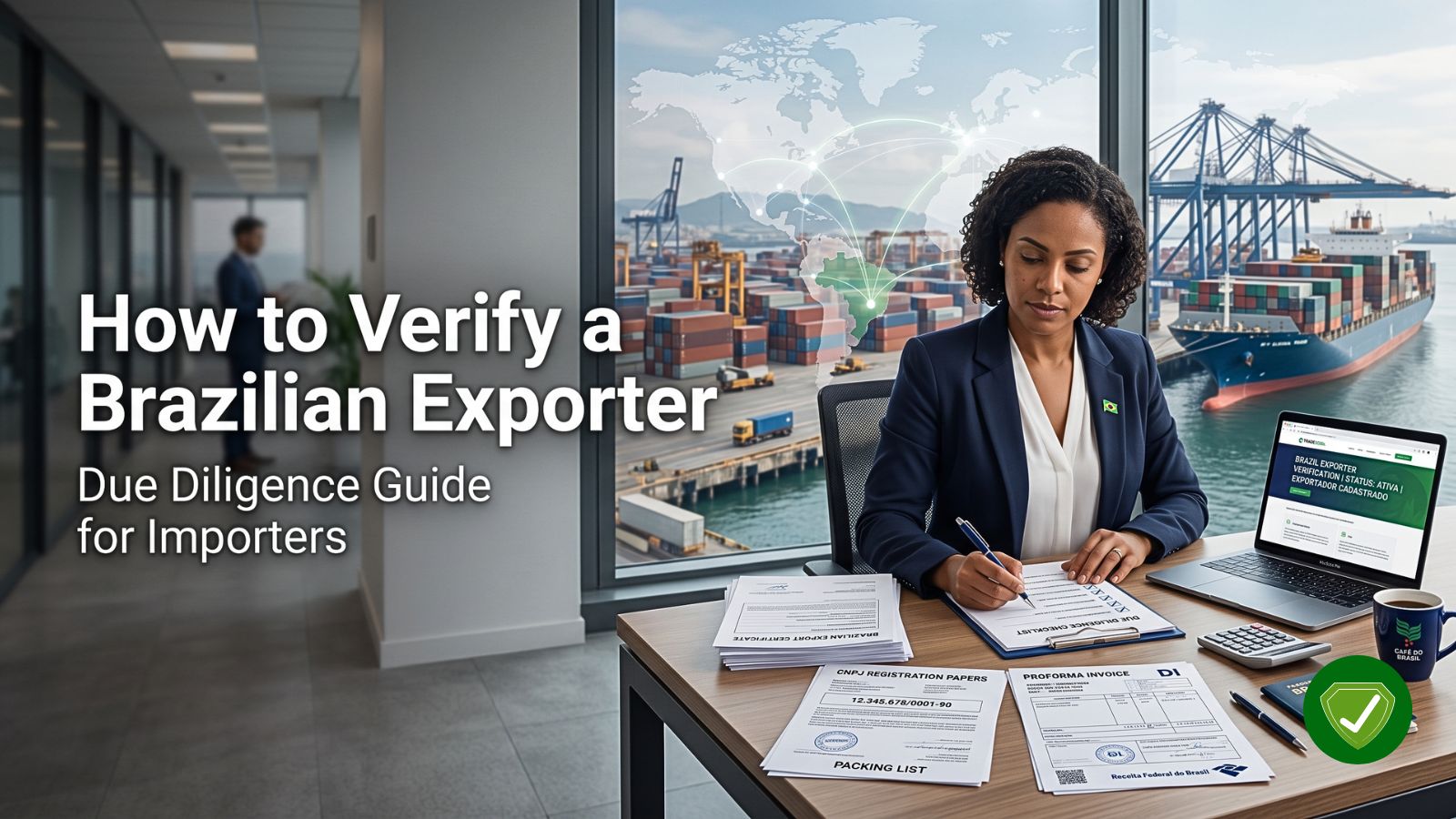
How to Verify a Brazilian Exporter: Due Diligence Guide for Importers

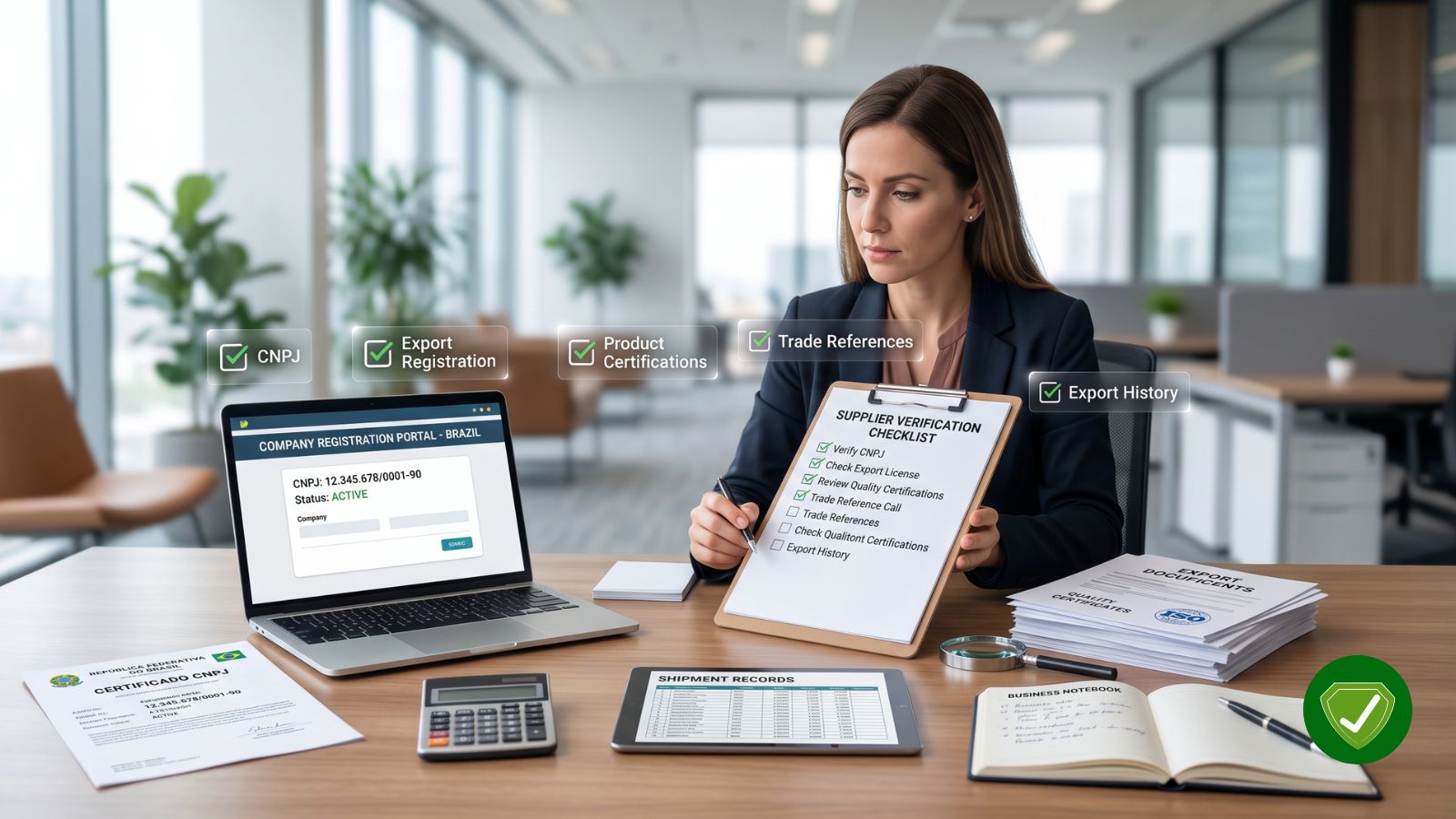
Before you send a single dollar to any Brazilian supplier, spend 30 minutes verifying them with free government systems. The five checks are: CNPJ registration on Receita Federal, SISCOMEX/Radar export registration, product-specific certification (SIF/MAPA/ANVISA), ALICEWEB export history, and trade references. Every one of them is public, every one of them is free, and legitimate exporters pass all of them easily. Here is exactly how to run each check.
This guide is a constructive, step-by-step process for importers. If you are a buyer evaluating SAI AGRO BRAZIL, you can run every check below on us, and we will send you the documents.
Related: How to Import from Brazil and Brazil Export Documentation.
Why Verifying a Brazilian Exporter Matters
International trade involves cross-border payment, long lead times and limited legal recourse in a foreign jurisdiction, which makes supplier verification a core procurement skill, not a formality. The good news: Brazil’s public registries are unusually transparent. A legitimate exporter wants you to check them, because their records prove they are real. Verification is not about distrust; it is about confirming that a supplier’s paperwork, certifications and history line up with what they claim. Legitimate exporters have exactly these records:
- A valid CNPJ with active status at Receita Federal
- Export operations visible in SISCOMEX/ALICEWEB records
- Valid product-specific certificates (SIF for meat, MAPA registrations, etc.)
- Physical address, working contact lines, and past buyers who will confirm delivery
Step 1: Check CNPJ (Brazilian Company Registration)
The CNPJ (Cadastro Nacional da Pessoa Jurídica) is Brazil’s company registration number, issued by Receita Federal (Brazil’s federal tax authority). Every legal company in Brazil has one. It is the country’s equivalent of a company number, and it is public record.
How to look it up: Go to the Receita Federal CNPJ query page and enter the 14-digit CNPJ. Example walkthrough of the query screen:
What to check in the result:
- Status “ATIVA”: a company listed as “BAIXADA” (deregistered) or “INAPTA” (suspended) is a red flag.
- Razão Social: the legal name must match the name on the contract and bank account.
- Opening date: very new companies aren’t automatically a problem, but combine youth with other checks.
- Address consistency: the registered address should broadly match what the exporter tells you.
Ask the exporter for their CNPJ before they send a proforma. Any legitimate Brazilian company shares it freely. It is printed on every invoice and receipt in Brazil. Also ask for the company’s Comprovante de Inscrição (registration certificate) PDF; it’s the official document and takes seconds to generate.
Step 2: Requesting Quotes & Comparing Offers
Brazilian exporters must be registered in SISCOMEX (the Integrated Foreign Trade System) to move goods through customs. Within that system, the relevant access profile is known as Radar. A company with Radar habilitation is cleared to export. If a supplier can’t produce evidence of SISCOMEX/Radar registration, they cannot legally ship from Brazil.
How to check: Ask for the company’s Radar habilitation certificate or the SISCOMEX registration acknowledgment. You can also verify indirectly through the ALICEWEB export records in Step 5. Companies with real shipments appear there by name.
Why this matters: Documents like invoices, packing lists and certificates of origin must be registered in SISCOMEX for customs to process them. A company without Radar status cannot execute a real export shipment, no matter how polished their website looks.
Step 3: Check Product-Specific Certifications
Certification requirements depend on the product category. This table shows the typical Brazilian systems and destination add-ons:
| Product category | Brazilian authority / certificate | Typical destination add-ons |
|---|---|---|
| Meat, poultry, animal products | SIF (Serviço de Inspeção Federal): plant registration, MAPA | Halal, Kosher, EU/UK lists, GCC requirements |
| Grains, seeds, coffee, sugar | MAPA registration / origin documentation, phytosanitary certificate | EU deforestation rules, country-specific phytosanitary |
| Processed foods, oils, beverages | ANVISA registration for many processed foods | Destination food authority registration |
| Fruits & vegetables | Phytosanitary certificate (MAPA/DAS), SIF for some | Inspection, cold-treatment or fumigation requirements |
| Organic products | Organic certification via MAPA-accredited certifying bodies | Destination organic recognition |
How to verify a certificate is real: Look at the certificate issuer, plant/registration number and validity dates, then independently confirm with the issuing authority or your destination-country import requirements. For SIF, the plant number is public; a real exporter's SIF number ties to an actual registered facility that your importer-of-record can cross-check with the importing country's veterinary authority.
Step 4: Request & Verify Trade References
A real exporter happily provides references because their past buyers confirm their reliability. Ask for 2-3 recent export customers (ideally in different regions) plus the bank details of the company. Contact references with a short, professional email like this:
Subject: Reference check: [Company Name]
Dear [Contact Name],
We are evaluating [Supplier Name] as a supplier of to [your country]. They have listed you as a trade reference.
Could you confirm, briefly:
- Volume and frequency of shipments you received (approx.)
- Product quality vs. specification and documentation accuracy
- On-time delivery performance
- Any issues and how they were resolved
We respect your time. A few bullet points are enough.
Best regards,
[Your Name], [Company], [Country]
What to verify: shipments actually happened (dates, volumes), quality met specification, documents were accurate, and any disputes were resolved professionally. Watch for references who answer vaguely or can’t be reached at the company domain.
Step 5: Use ALICEWEB to Check Export History
ALICEWEB is Brazil’s public export statistics system, maintained by the Ministry of Development, Industry, Trade and Services. It publishes declared export records that can be searched, including by exporter name. If a company claims to export, their name should appear in ALICEWEB records. This is one of the strongest public checks available because the data comes from real customs declarations.
What to look for: Export values by product (NCM code), consistency across years, and volume that matches what the exporter claims. A company with zero ALICEWEB record but a story of “big export volume” needs further explanation.
Some legitimate exporters operate through trading companies, which may mean shipments appear under the trader’s name rather than the producer’s. Use ALICEWEB as one signal in the full picture, not a standalone verdict. Ask the exporter to explain their commercial structure if records don’t match expectations.
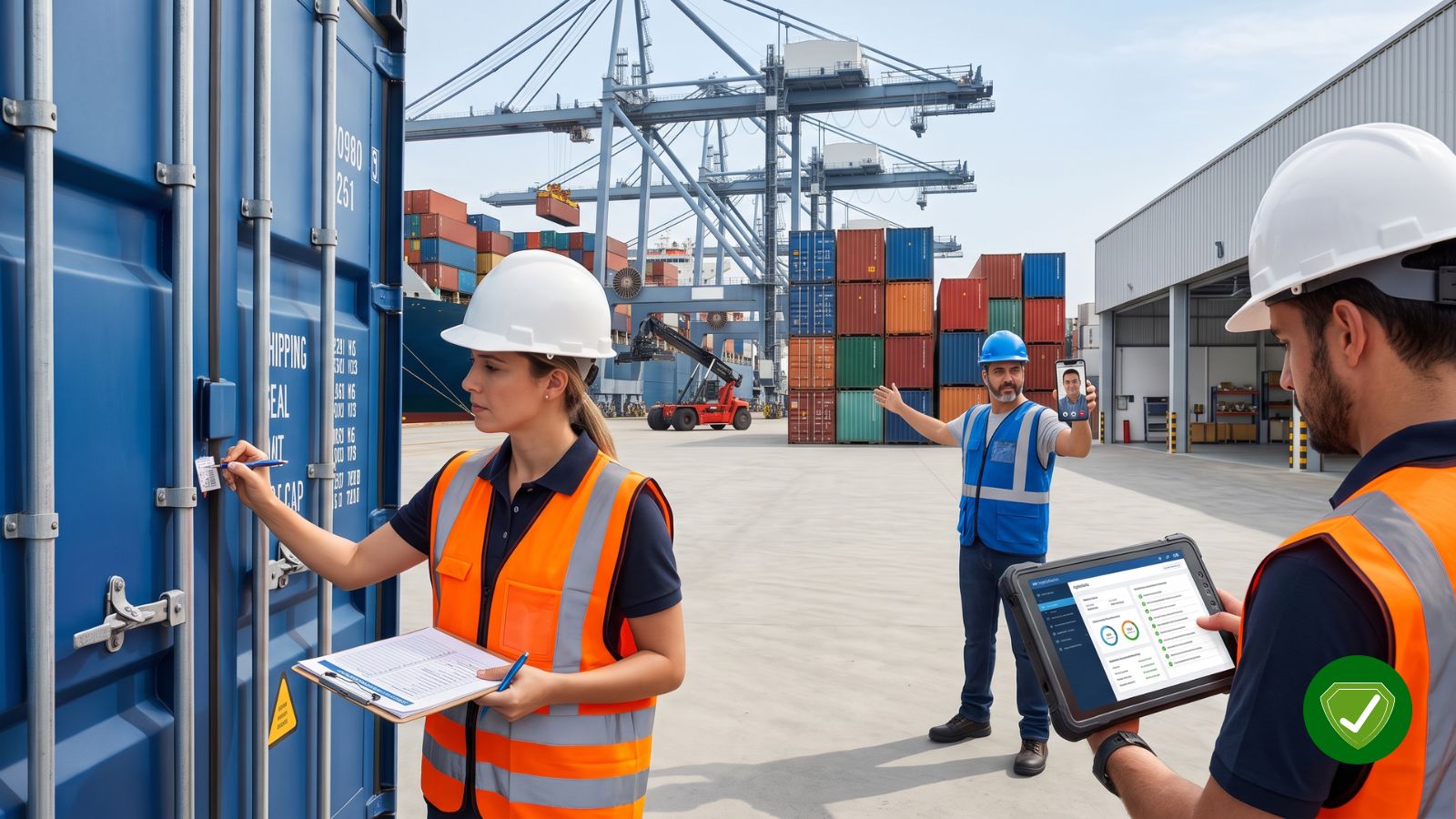
Step 6: Physical Verification Options
For larger contracts, add physical verification:
- Third-party inspection: SGS, Bureau Veritas, Intertek and similar firms can inspect goods and loading, with pre-shipment inspection reports.
- Video call facility tour: a walkthrough of offices, warehouse, or production. On the call, look for: real signage matching the company name, people who can speak to their own operations, certificates visibly displayed, and no hesitation showing you the actual site.
- Sample testing: request samples and test at an accredited lab in your country before committing to volume.
- In-person visit: for the largest contracts, a site visit is standard practice and a serious exporter will welcome it.
What red flags look like on a video call: a generic room that looks like stock imagery, the “director” unable to name their own suppliers or ports, evasive answers about certifications, or a request to move off email “for speed.” None of these are proof of fraud alone, but a legitimate exporter has nothing to hide and responds to due diligence with documents, not deflection.
Red Flags to Watch For
- Pressure to pay a deposit quickly. “The price won’t hold” is a sales tactic, not a reason to skip verification
- No verifiable physical address, or an address that maps to a residential building or shared mailbox
- Inability to provide certificates, CNPJ, or export records
- Prices dramatically below market. Serious exporters sell at market-consistent levels
- Requests to pay to a personal account rather than the company’s corporate bank account
- Unwillingness to use standard trade terms (LC, escrow, or agreed Incoterms) or to put commitments in writing
How Sai Agro Brazil Meets Every Verification Standard
We put this guide to work on ourselves, because we know serious buyers will run these exact checks:
- CNPJ: SAI AGRO BRAZIL LTDA is an active company registered with Receita Federal, headquartered in Cotegipe, Bahia. We share our registration certificate with every serious inquiry.
- SISCOMEX/Radar: We operate as a registered export company with SISCOMEX-registered documentation flows, and our shipments follow standard Brazilian customs procedures.
- Certifications: Our programs carry the certifications required by product and destination. SIF for meat products, MAPA-compliant plant product documentation, phytosanitary certificates where required, plus destination add-ons we arrange per order.
- ALICEWEB: Our export operations generate real customs declarations that appear in public trade records.
- References & communication: We provide trade references, answer due-diligence questions in writing, and welcome inspection and video tours.
Request our verification pack: Trade Inquiries → or Contact → · +55 16 98830-7477 · info@saiagrobrazil.com. See also About Sai Agro and our process page.
Ready to run the checks, or want us to run them with you?
Send your inquiry and we will send our CNPJ certificate, certifications and export references.
Frequently Asked Questions
What is a CNPJ and why does it matter?
The CNPJ is the Brazilian company registration number issued by Receita Federal. It is public record and the first check any importer should run on a Brazilian supplier.
How do I check if a Brazilian company is licensed to export?
Exporters must be registered in SISCOMEX; check the company's Radar status. ALICEWEB public statistics also show whether a company name appears in actual export records.
What is ALICEWEB?
ALICEWEB is Brazil's public export statistics system, maintained by the Ministry of Development, Industry, Trade and Services. It lets you search declared export records by company name.
What certificates should a Brazilian food exporter have?
It depends on the product: SIF for animal products, MAPA registrations for many plant products, ANVISA for processed foods, plus destination-specific certificates such as halal or organic.
Is it normal to ask an exporter for their CNPJ?
Yes. Completely normal. The CNPJ is printed on every Brazilian invoice and receipt. A legitimate exporter will share it instantly.
Government systems and URLs can change; always verify current official portals (Receita Federal, SISCOMEX, ALICEWEB/MDIC) before use. This guide is educational and does not replace legal or compliance advice.