How to Import from Brazil: A Complete Guide for International Buyers

Importing from Brazil is one of the highest-leverage sourcing decisions in global agribusiness, and it follows a documented five-step path. Brazil is the world’s largest exporter of soybeans, sugar, beef, poultry and coffee, and its export system is public, regulated and repeatable: (1) select a verified Brazilian exporter, (2) lock volume, grade and Incoterm on a proforma invoice, (3) secure payment, (4) receive the export document set (invoice, packing list, B/L, certificate of origin, plus MAPA/SIF/phytosanitary papers as required), and (5) clear the cargo at your destination port. Buyers fail only when they skip the Brazilian specifics: SISCOMEX export registration, MAPA and SIF certifications, and the dual safra/safrinha harvest calendar that shapes availability.
This guide is written for importers, distributors, feed mills, food processors and procurement managers. It follows the commercial workflow used by exporters such as SAI AGRO BRAZIL LTDA (Cotegipe, Bahia) when serving buyers in Africa, Asia, Europe and the Middle East.
Why Import from Brazil? Brazil's Position in Global Agricultural Trade
Brazil is not a “secondary” origin for most bulk agri products. For several categories it is the primary global supplier. Understanding that scale helps you negotiate MOQ, shipping mode and lead times realistically.
| Commodity / sector |
Brazil's typical global role | Why it matters to importers |
|---|---|---|
| Soybeans | World's largest exporter (majority share of global trade in many seasons) | Deep liquidity, bulk vessel + container options, year-round pipeline via dual crops |
| Sugar (cane) | Largest exporter; ICUMSA grades widely traded | ICUMSA 45 / 150 / VHP liquidity; bagged and bulk structures |
| Beef & poultry | Top-tier beef exporter; leading poultry exporter | SIF plants, Halal capacity, reefer container programs |
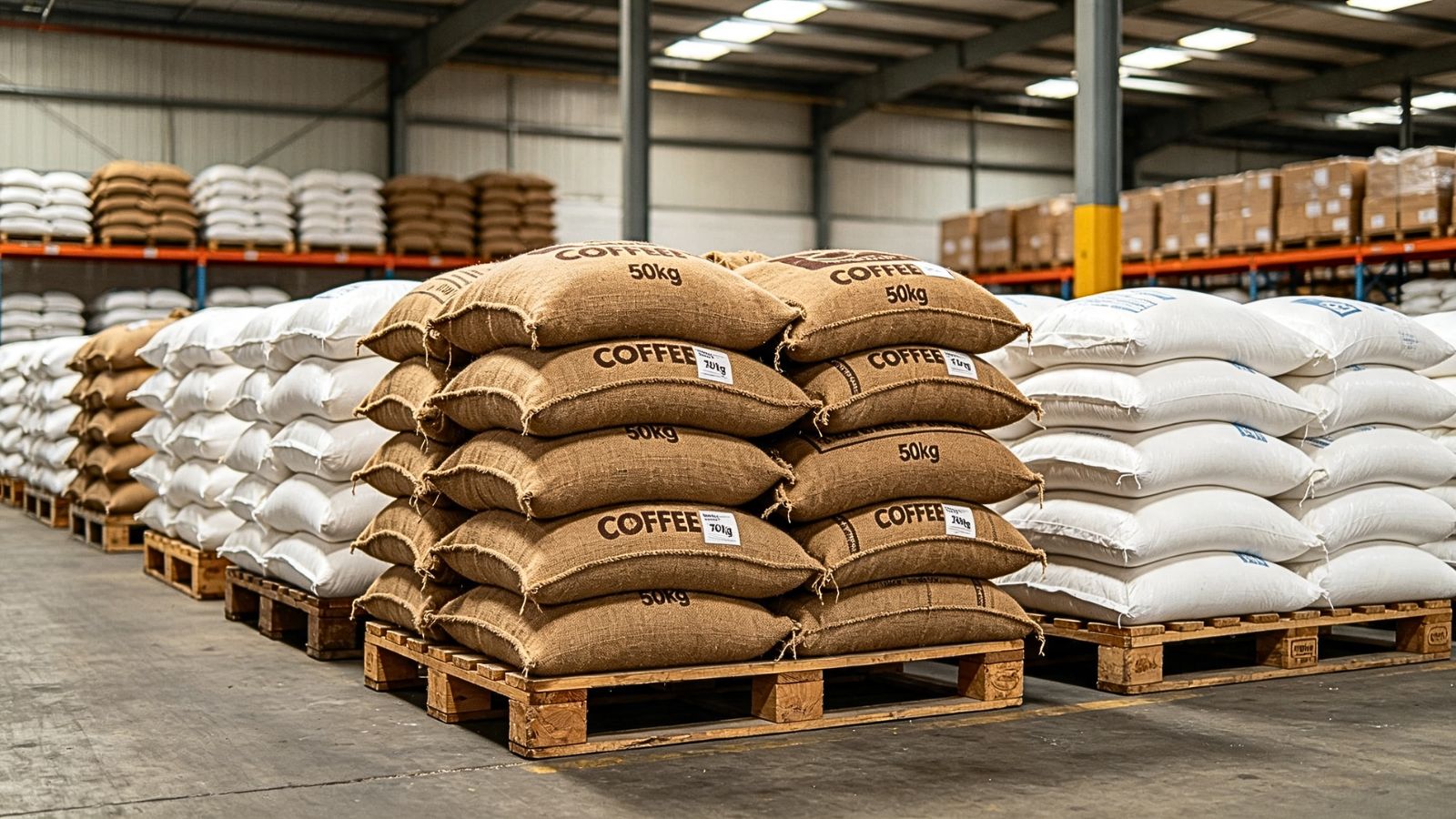
| Coffee (green) | Largest producer/exporter of arabica-heavy supply | 60 kg bags, grade/screen language, Santos corridor |
| Corn / maize | Major exporter; strong safrinha (second crop) volumes | Feed and industrial buyers plan around harvest windows |
| Soybean oil & other oils | Major crush and export complex | Flexitank / bulk liquid logistics expertise |
Brazilian grain logistics are shaped by the safra (main summer crop) and safrinha (second-crop, especially corn after soy in Center-West systems). CONAB and MAPA market analyses repeatedly show that second-crop corn now dominates a large share of Brazil’s corn output in many years, so “Brazil corn availability” is not a single harvest story. Importers who only track US Midwest calendars systematically mis-time Brazilian offers. Plan RFQs against both Brazilian windows, not a single Northern Hemisphere harvest.
Port choice is a commercial decision, not only a logistics detail. Santos dominates multi-commodity and reefer flows; Paranaguá is a grain powerhouse for Paraná/Center-South corridors; Salvador and Northeast ports matter for Bahia-linked cocoa, fruits and some specialty flows. Cotegipe (Bahia)-based exporters like SAI AGRO can route through Northeast or Southeast ports depending on cargo. Always ask which load port is priced in the offer.
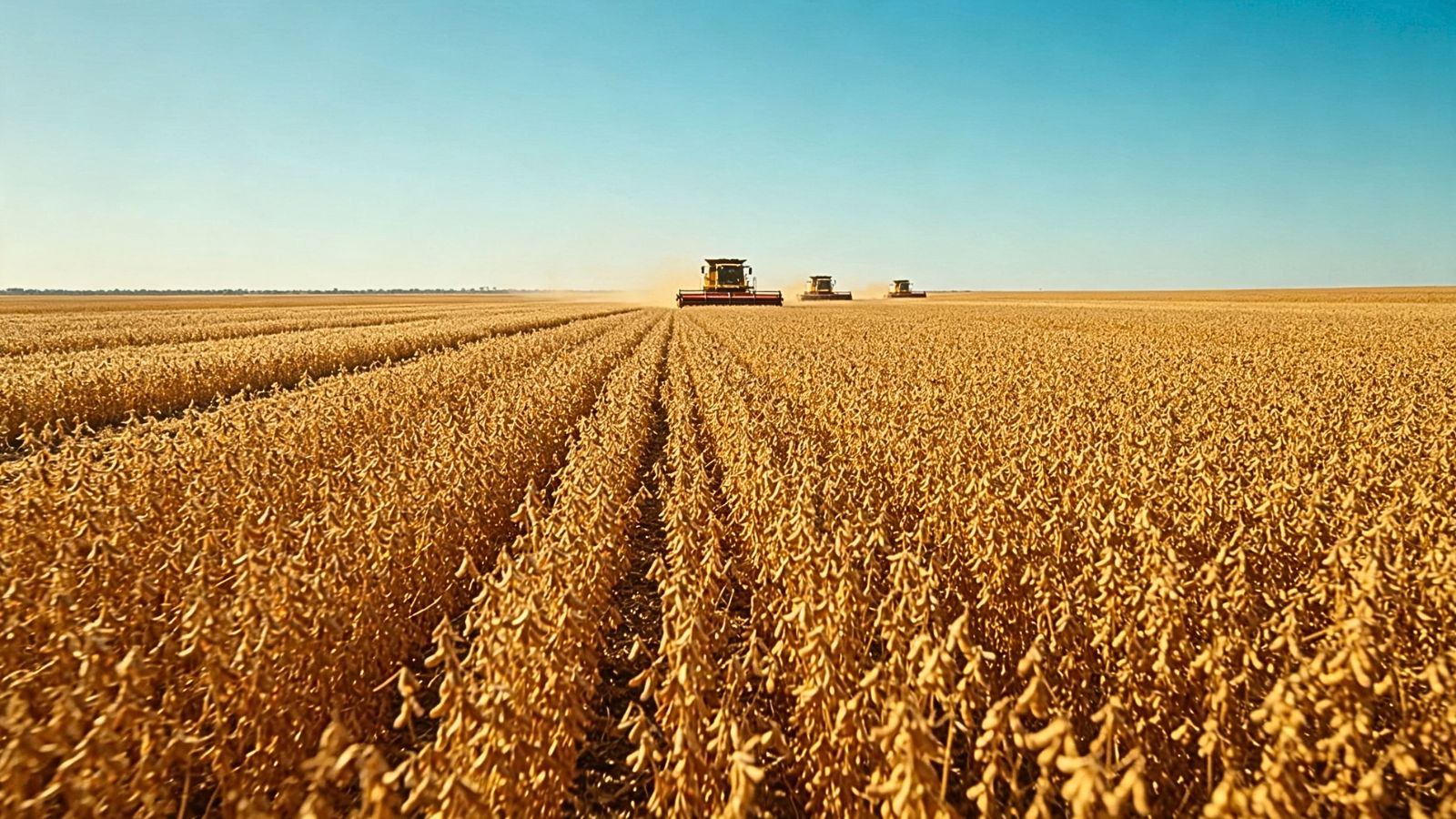
Step 1: Finding a Reliable Brazilian Supplier
Start with legitimacy, not the lowest CIF number on WhatsApp.
- Company identity: Full legal name + CNPJ (Brazilian tax ID). Look up status on Receita Federal tools.
- Export capability: Evidence the company (or its structured partners) can register exports in Brazil’s foreign-trade systems and issue commercial docs.
- Product authority: For meat: SIF establishment numbers. For plant products: MAPA phytosanitary pathway. For organic: accredited organic certifier chain.
- Physical footprint: Address in Brazil (e.g. Cotegipe, Bahia for SAI AGRO BRAZIL LTDA), not only a free email and a logo.
- References: Prior destinations, similar products, willingness to share redacted B/L samples or third-party inspection history.
Red flags: Pressure to wire to a personal account; refusal to share CNPJ; prices far below market without a clear grade/Incoterm explanation; no sample or inspection pathway; “guaranteed” government allocation stories; documents that never match the proforma product description.
Useful official / institutional starting points (buyer research, not endorsements): MAPA (Ministério da Agricultura e Pecuária) for animal/plant health frameworks; Receita Federal for company registration checks; trade promotion channels such as ApexBrasil for fair/program discovery; public trade statistics portals for market context. For a full due-diligence walkthrough, see How to Verify a Brazilian Exporter.
- ☐ Legal name + CNPJ verified
- ☐ Product certifications named (SIF / MAPA / Halal / organic as applicable)
- ☐ Load port(s) and packaging options stated
- ☐ Sample / inspection policy clear
- ☐ Payment terms and bank details on company letterhead
- ☐ Written proforma matches verbal offer
Step 2: Requesting Quotes & Comparing Offers
A professional RFQ forces apples-to-apples comparison. Generic “price please” messages produce unusable replies.
- Full company name, country, and role (importer / processor / distributor)
- Product + grade (e.g. GMO soybeans 35% protein basis; ICUMSA 45; frozen chicken leg quarters size grade)
- Quantity (MT) and preferred packaging
- Destination country + preferred discharge port
- Preferred Incoterm: FOB / CFR / CIF / "advise us" (see FOB vs CIF vs CFR)
- Target shipment window (month)
- Required certificates (Halal, organic, non-GMO identity-preserved, etc.)
- Payment preference (TT / LC) and any bank constraints
Two “CIF same port” prices can still differ by: (a) load port inland cost, (b) bag brand and ply, (c) moisture/protein basis vs rejection limits, (d) whether surveyor fees are included, (e) free time at destination, (f) whether insurance is Institute Cargo Clauses (A) or minimum CIF cover. Build a side-by-side sheet with these rows before you award the business.
Academic and policy work on Brazilian agri-exports (logistics cost shares, interior vs port basis) consistently shows that interior freight and terminal queues can move FOB basis as much as ocean freight swings in tight seasons. That is why a Santos FOB and a remote interior FOB are not interchangeable, even when the commodity grade looks identical on paper.
Step 3: Export Documentation & Certifications
Brazilian exporters prepare the export side. You still must know what “complete docs” means so your bank and customs broker are not surprised.
| Document | Typical role | Who issues / handles |
|---|---|---|
| Commercial invoice | Value, parties, Incoterm, description | Exporter |
| Packing list | Weights, packages, marks | Exporter |
| Bill of Lading / sea waybill | Carriage contract & title/control tool | Carrier (via exporter/forwarder) |
| Certificate of origin | Origin preference / compliance | Chamber / authorized body via exporter |
| Phytosanitary certificate | Plant health for grains, seeds, many agri goods | MAPA pathway |
| SIF / health certificate | Meat and many animal products | Federal inspection (SIF) framework under MAPA |
| Halal certificate | Muslim-market access | Recognized Halal body + plant compliance |
| SISCOMEX export registration | Brazilian export customs system | Exporter / customs broker in Brazil |
Deep dive: Brazilian Export Documentation guide.
Align HS codes on the commercial invoice with what your destination customs expects before vessel sailing. Re-coding after arrival is expensive. Send your broker’s preferred HS wording to the exporter at proforma stage.
Step 4: Shipping & Logistics from Brazil
Mode follows product:
- Dry containers (20’/40′): bagged sugar, coffee, pulses, many seeds, flour
- Reefer containers: frozen meat and poultry
- Flexitanks / ISO tanks: vegetable oils, some liquid sugars
- Bulk vessel: soybeans, corn, VHP sugar at scale
Indicative ocean transit bands (always verify live schedules): West Africa ~10-17 days; North Europe ~14-20 days; Middle East ~18-24 days; South Asia ~22-28 days; East Asia ~28-37 days from major Brazilian load ports. Full table: Container Shipping from Brazil.
Brazilian agri export peaks around harvest corridors create terminal congestion and vessel bunching. Waiting time at ports can dominate door-to-door reliability more than pure sailing days. Build buffer into retail promotions and feed mill production schedules, not only “sailing time” from a carrier brochure.
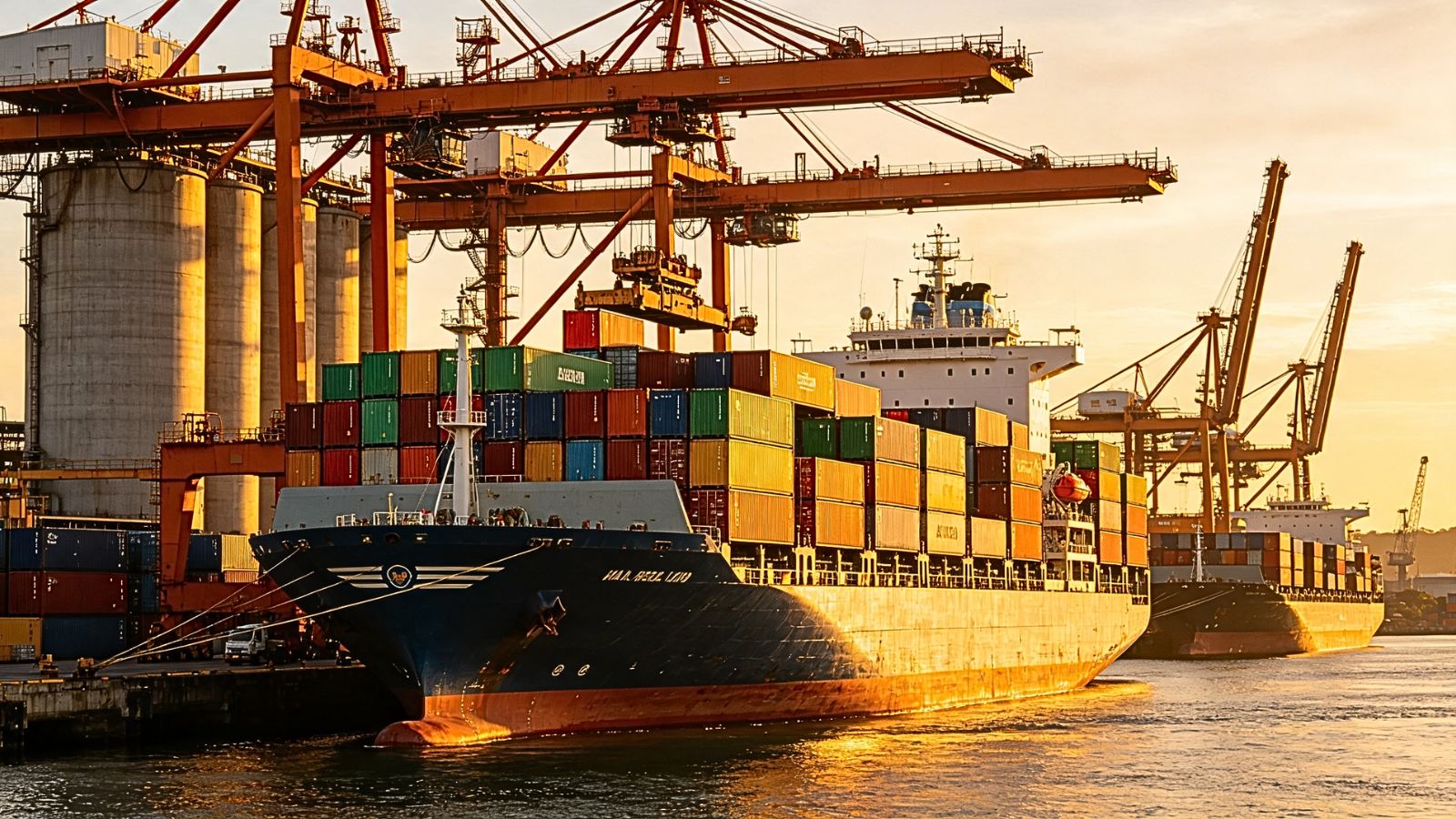
Step 5: Customs Clearance at Destination
Destination rules are yours. Typical buyer-side steps:
- Confirm import eligibility and any plant/animal health permits before shipment
- Engage a licensed customs broker early
- Prepare duty/VAT cashflow using the commercial invoice value and Incoterm
- Arrange inspection if required (destination SPS, quality, or private QC)
- Plan container free time to avoid demurrage/detention
Trade agreements (where applicable) may reduce duty if certificate of origin and rules of origin are correct. Your broker should validate preference claims; do not assume “Brazilian origin” alone unlocks preference.
Disclaimer: This is not legal or customs advice. Destination SPS and tariff rules change. Use licensed professionals in your market.
Step 6: Payment & Trade Finance
| Method | When buyers use it | Notes for Brazil agri |
|---|---|---|
| T/T advance + balance | Smaller lots, trusted relationship | Common for container trials; define balance trigger (B/L copy vs original) |
| Letter of Credit (LC) | Larger values, bank requirement | Document discrepancy risk is real; draft the LC against sample documents |
| CAD / DP | Some traders | Depends on relationship and bank comfort |
| Open account | Long relationship only | Rare on first Brazilian commodity deals |
LC tip competitors skip: For reefer and bulk cargoes, list temperature statements, surveyor certificates, and insurance certificates carefully in the LC. Over-documenting creates discrepancies; under-documenting creates uninsured risk. Have the exporter review the LC draft before the bank issues it.
Frequently Asked Questions About Importing from Brazil
Can foreign companies import agricultural products from Brazil?
Yes. You buy from a Brazilian exporter who manages export formalities; you manage import permits and clearance at destination.
What documents are required?
Invoice, packing list, transport document, certificate of origin, plus phytosanitary/SIF/Halal/organic papers as product and market require.
What is a typical MOQ?
Often one container for many packaged goods; bulk vessel parcels are far larger. Confirm per product with the exporter.
How long does shipping take?
Roughly 10-35+ days ocean depending on destination; add export prep and destination free time buffers.
Does SAI AGRO BRAZIL ship worldwide?
SAI AGRO BRAZIL LTDA focuses commercially on Africa, Asia, Europe and Middle Eastern markets, with structured export workflows for grains, oils, sugar, meat and related commodities.
Start a structured import conversation
Share product, volume, destination and preferred Incoterm.
Educational guide only. Not legal, customs or financial advice. Verify regulations with licensed professionals. Statistics are directional industry context and should be confirmed against current CONAB, MAPA, USDA/FAS or Comex Stat releases for contract decisions.