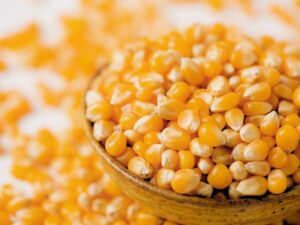

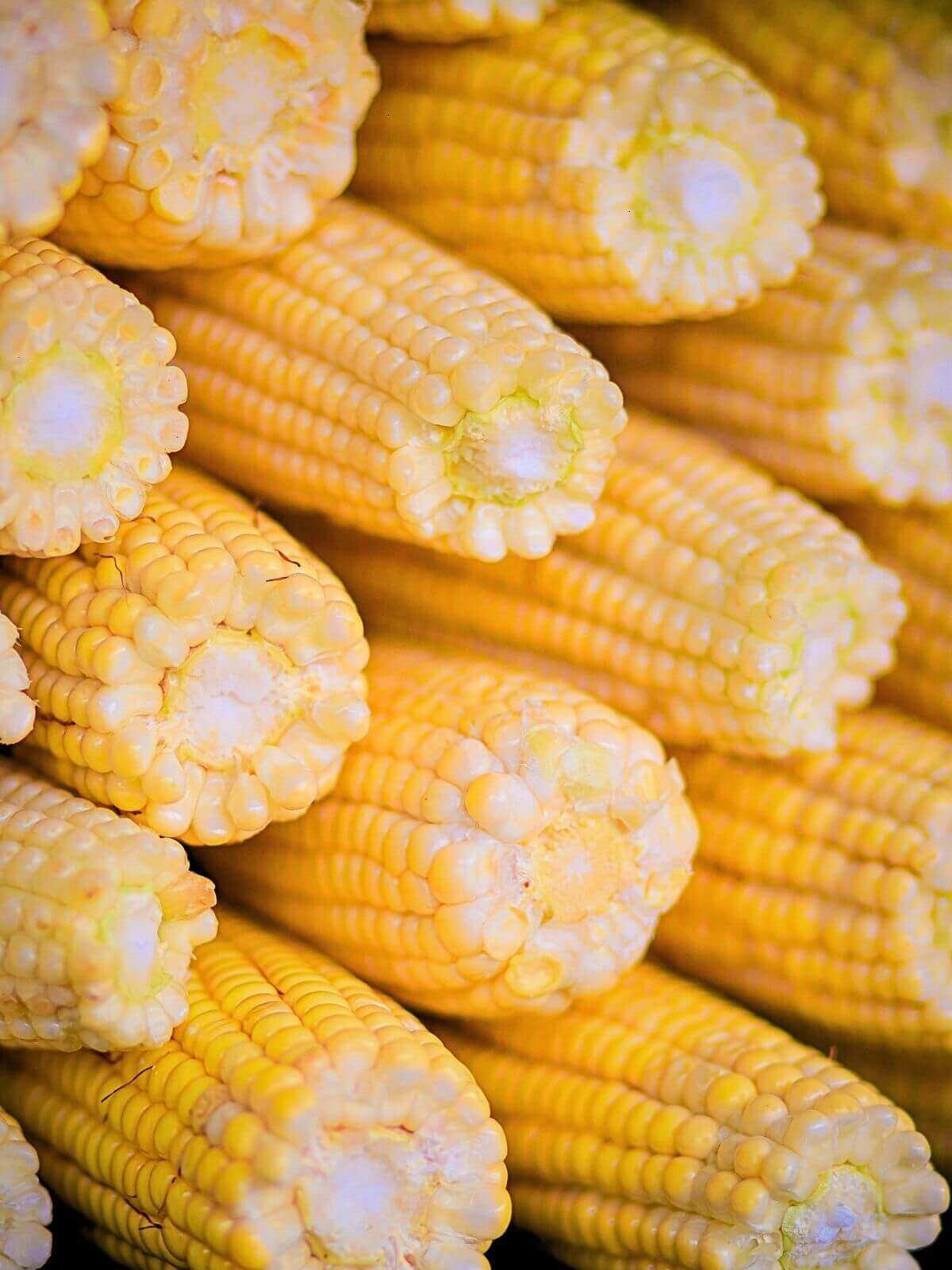
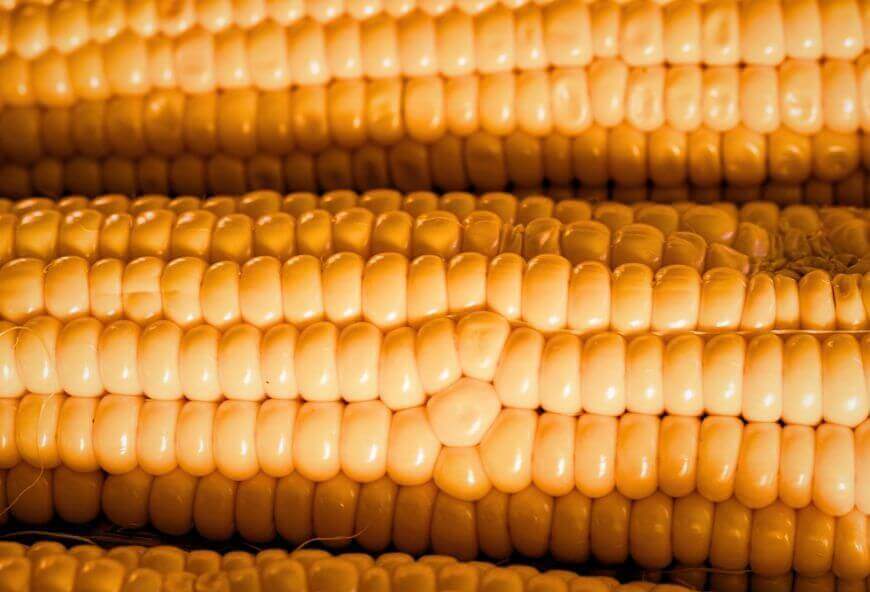
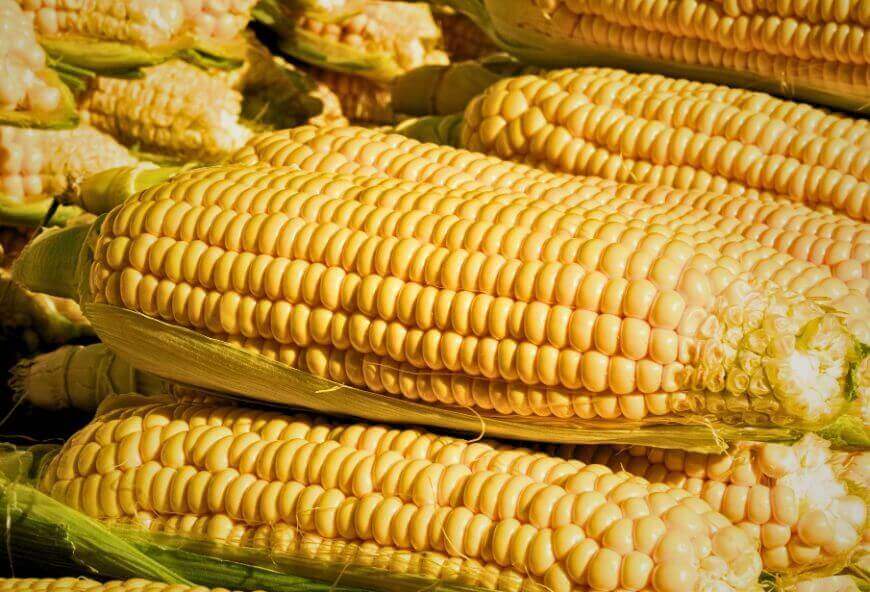
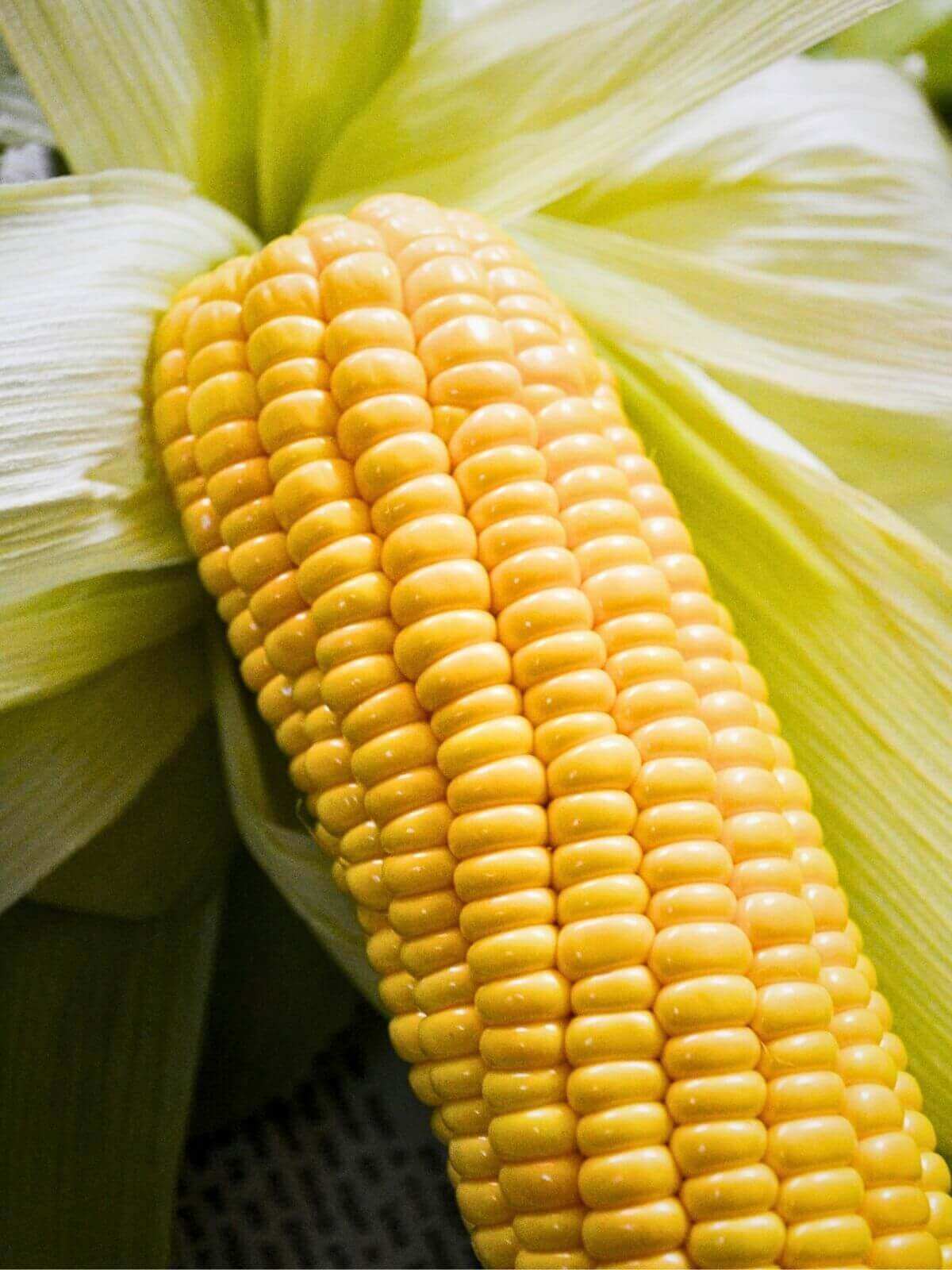
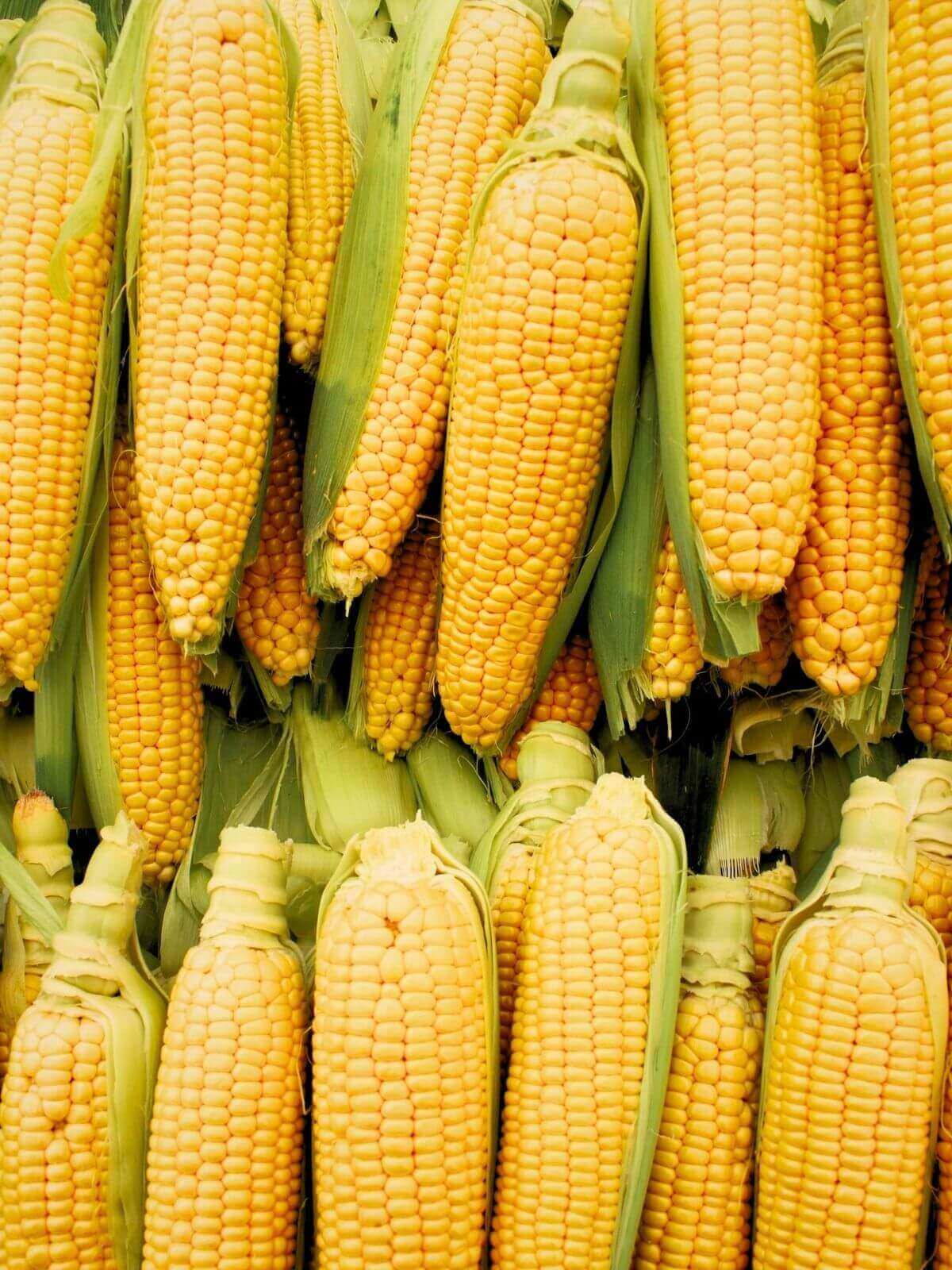
Bulk GMO yellow corn from Brazil for feed manufacturers, corn millers, starch producers, ethanol distilleries, and food processors. Brazil produces 120+ million metric tons annually (CONAB 2025/26), ranking as the world’s third-largest corn producer and second-largest corn exporter. 90%+ GMO varieties with stacked Bt and herbicide tolerance traits. Protein 8-10%, moisture 14% max, test weight 72 kg/hL min. Two harvests: Safra (Feb-May) and Safrinha (Jun-Sep) providing year-round supply. Bulk vessel 25,000-60,000 MT or containerized. FOB/CFR/CIF from Santos, Paranaguá, and Northern Arc ports. Competitive pricing versus U.S. and Argentine origins.
| Parameter | Specification |
|---|---|
| Protein | 8–10% |
| Moisture | 14% max |
| Test Weight | 72 kg/hL min |
| Aflatoxin | 20 ppb max |
| MOQ | 250 MT / 5,000 MT |
| Terms | FOB / CFR / CIF |
| Origin | Brazil |
| Type | GMO Yellow #2 |
SAI AGRO BRAZIL supplies bulk GMO yellow corn from Brazil’s Center-West, South, and MATOPIBA growing regions to international feed mills, starch manufacturers, ethanol producers, and food processors worldwide. Brazil produces approximately 122 million metric tons of corn annually across three crops: Safra (first crop, ~25% of production, harvested Feb-May), Safrinha (second crop after soybeans, ~75%, harvested Jun-Sep), and a small third crop in the Northeast. 90%+ of production is GMO varieties featuring stacked insect resistance (Bt) and herbicide tolerance traits. This dual-harvest system, combined with Brazil’s investment in Northern Arc export ports (Barcarena, Itaqui, Santarém), has positioned Brazil as the world’s second-largest corn exporter with ~50 million MT exported annually. Brazilian corn offers competitive pricing versus U.S. Gulf and Argentine origins, with strong acceptance in Asian, Middle Eastern, and African markets.
SAI AGRO BRAZIL supplies bulk GMO yellow corn from Brazil’s principal corn-producing states to international buyers. Brazil produces approximately 122 million metric tons of corn annually (CONAB 2025/26 estimate), making it the world’s third-largest producer after the United States and China. GMO varieties account for over 90% of production, predominantly featuring stacked traits for lepidopteran insect resistance (Bt technology: Cry1F, Cry1Ab, Cry2Ab2, Vip3Aa20 proteins) and herbicide tolerance (glyphosate, glufosinate). All GMO events are approved by CTNBio (Brazil’s National Biosafety Commission) and recognized by major importing countries.
Brazil’s corn production is unique globally for its dual-harvest system. The Safra (first crop) is planted September-December alongside soybeans and harvested February-May, concentrated in Southern Brazil (Paraná, Rio Grande do Sul). The Safrinha (second crop) is planted January-March immediately after soybean harvest and harvested June-September, accounting for 75% of national production, concentrated in Mato Grosso and the Center-West. This system maximizes land use efficiency and provides year-round corn availability for export.
Brazilian corn export availability follows the harvest calendar precisely. Safra corn (Feb-May harvest) ships April through August from Southern ports (Paranaguá, São Francisco do Sul). Safrinha corn (Jun-Sep harvest) ships July through February, with peak export volume August-November. The Safrinha window is strategically important for international buyers because it provides fresh-crop corn during the Northern Hemisphere growing season (July-September), when U.S. and European corn supplies are lowest. This counter-seasonal availability has made Brazilian corn particularly valuable for Asian and Middle Eastern feed millers managing year-round procurement programs.
Northern Arc ports (Barcarena/PA, Itaqui/MA, Santarém/PA) have transformed Brazil’s corn logistics by providing shorter shipping routes to Asia (via Panama Canal) compared to traditional Southern ports. Northern Arc port share of corn exports rose from 15% in 2015 to 35%+ in 2025 (ANTAQ data), reducing ocean freight to China from 40+ days (via Santos) to 30-35 days (via Barcarena/Itaqui).
| Parameter | Specification (Grade No. 2 Yellow) | Test Method |
|---|---|---|
| Type | GMO Yellow Corn, Zea mays | Visual + GMO testing |
| Protein Content | 8-10% (as-is) | Kjeldahl NIR |
| Moisture | 14.0% maximum | ISO 6540 |
| Test Weight | 72 kg/hL minimum | ISO 7971-2 |
| Broken Kernels & Foreign Material (BCFM) | 4% maximum | Sieve analysis |
| Damaged Kernels (total) | 5% maximum | Visual inspection |
| Heat Damaged Kernels | 0.5% maximum | Visual inspection |
| Aflatoxin B1 | 20 ppb maximum | ELISA/HPLC |
| Fumonisin | 5 ppm maximum (upon request) | ELISA/HPLC |
| DON (Vomitoxin) | 2 ppm maximum (upon request) | ELISA/HPLC |
| Packaging | Bulk Vessel or Bulk Bags (1,000 kg) | N/A |
| MOQ | 250 MT (container) / 5,000 MT (bulk vessel) | N/A |
| Shipment Terms | FOB, CFR, CIF (Incoterms 2020) | N/A |
Brazilian yellow corn serves four primary markets. Animal feed manufacturing: the dominant use, with corn providing 8-10% protein and 14.0 MJ/kg metabolizable energy (poultry). Compound feed manufacturers in Asia, Middle East, and Africa use Brazilian corn in poultry (50-70% inclusion), swine (40-70%), and cattle feed rations. Wet corn milling: production of corn starch, high-fructose corn syrup (HFCS), glucose syrup, and corn oil. Brazilian corn starch is exported to paper, textile, and food industries. Dry corn milling: production of corn grits, corn meal, corn flour, and breakfast cereal ingredients for human consumption markets. Ethanol production: Brazilian corn ethanol is a rapidly growing sector, with production reaching 6+ billion liters annually. Corn ethanol plants are concentrated in Mato Grosso, using corn as a complementary feedstock to sugarcane in flex plants or dedicated corn ethanol facilities.
Brazilian corn ships primarily in bulk vessels (25,000-60,000 MT) through specialized grain terminals. Containerized shipments (250-1,000 MT in bulk bags) serve buyers with smaller volume requirements or destination constraints. Major export corridors: (1) Southern ports — Santos, Paranaguá, São Francisco do Sul — serving traditional routes to Europe, Middle East, and Africa; (2) Northern Arc ports — Barcarena (Pará), Itaqui (Maranhão), Santarém (Pará) — serving Asia via Panama Canal with 5-7 day freight time savings versus Southern ports. Brazil exported 50+ million MT in 2024/25, with China, Vietnam, Iran, Japan, and South Korea as top destinations.
Transit times: Asia (China, Japan, Korea) 30-38 days via Santos, 25-32 days via Northern Arc; Middle East (Iran, Saudi Arabia) 25-35 days; Europe 18-25 days; North Africa 18-25 days; West Africa 14-20 days. Payment: L/C at sight; pricing basis CBOT corn futures + Brazilian FOB premium/discount. Forward pricing available for contracts 3-9 months ahead.
Brazil produces corn in two distinct seasons. Safra (first crop, ~25% of national production) is planted September-December and harvested February-May, concentrated in Southern Brazil. Safrinha (second crop, ~75%) is planted January-March after soybean harvest and harvested June-September, concentrated in Mato Grosso and Center-West states. Safrinha corn has transformed Brazil from a net corn importer to the world’s second-largest exporter. For buyers, the Safrinha harvest (Jun-Sep) provides counter-seasonal supply when Northern Hemisphere corn stocks are declining — a strategic procurement window for year-round feed operations.
Brazilian GMO corn predominantly features stacked traits: insect resistance (Bt proteins Cry1F, Cry1Ab, Cry2Ab2, Vip3Aa20 targeting fall armyworm, corn earworm, and stalk borer) and herbicide tolerance (glyphosate and/or glufosinate for weed management). All GMO events are approved by CTNBio and recognized by China, EU, Japan, South Korea, Vietnam, Taiwan, and other major importers. Importers should verify that specific Bt events in the shipment are approved in their destination market. We provide GMO event composition certificates for all shipments upon request.
Containerized: 250 MT minimum using bulk bags. Bulk vessel: 5,000 MT minimum, with optimal vessel sizes of 25,000-60,000 MT for competitive freight rates. Handymax (25,000-35,000 MT), Supramax (50,000-60,000 MT), and Panamax (60,000-75,000 MT) vessel classes available based on destination port draft restrictions. Multi-vessel annual programs available for buyers with requirements of 100,000+ MT per year.
Brazilian GMO corn is generally comparable to U.S. No. 2 Yellow Corn in protein (8-10%), test weight, and mycotoxin levels. Key differences: Brazilian corn typically has slightly lower moisture at export (14% vs 14.5-15% for U.S. Gulf) due to drier harvest conditions; aflatoxin levels are generally lower than U.S. corn due to Brazil’s drier post-harvest climate; freight advantage to Asia from Northern Arc ports vs U.S. Gulf (5-7 days shorter transit). Price competitiveness varies seasonally: Brazilian corn is typically most competitive during Safrinha harvest (July-October) when new crop volumes peak. Argentine corn has similar specifications but faces export tax and quota restrictions that Brazil does not have.
Standard: Phytosanitary Certificate (MAPA), Certificate of Origin, Quality/Weight Certificate (SGS/Bureau Veritas/Cotecna), GMO statement (CTNBio approval confirmation). Optional: Mycotoxin analysis (aflatoxin, fumonisin, DON, zearalenone, ochratoxin A), pesticide residue screening (EU MRL or destination-country specific), fumigation certificate, Non-GMO certification (for non-GMO corn shipments subject to identity preservation protocols and premium pricing).
Contact SAI AGRO BRAZIL for competitive pricing and reliable supply of bulk GMO yellow corn for your feed mill or processing facility.
SAI AGRO BRAZIL
Share your volume, destination and trade preference. Our commercial desk will review your requirement and reply within 24-48 hours
Adding {{itemName}} to cart
Added {{itemName}} to cart